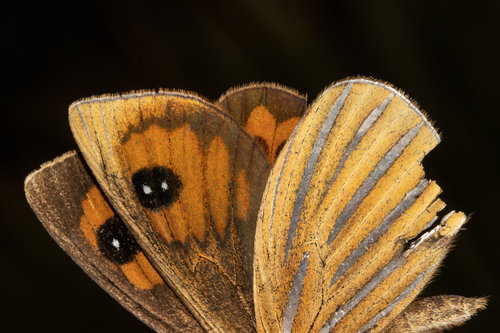
Canterbury Alpine Boulder Copper

Canterbury Alpine Boulder Copper

Lycaena tama

Endemic
Daily sighting probability ~40% · Likely
at Arthur's Pass National Park

In 3 days ~80% in a week >90%

65 Verified sightings at Arthur's Pass National Park From 2019 to 2026
106 In all 2 parks
November Best month
☀️ Diurnal When it's spotted

About the Canterbury Alpine Boulder Copper

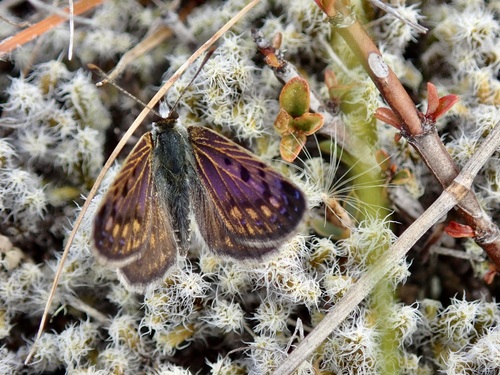
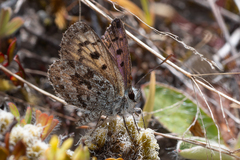
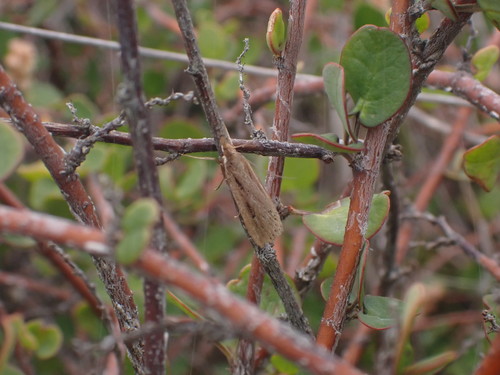
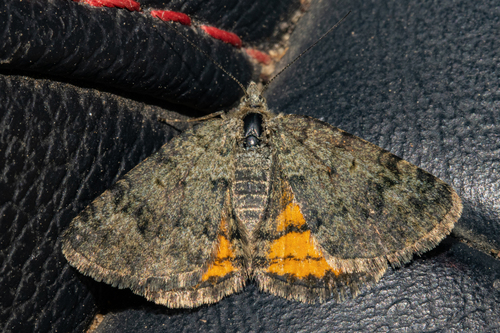
Lycaena tama, the Canterbury alpine boulder copper, is a species of copper which lives on the central South Island of New Zealand. A small butterfly with copper wings and a "marginal series of violet dots". It was named tama as a distinct species by R. W. Fereday after "a traditionary Maori chief of that name."

Lycaena tama lives in the Mackenzie Basin and in the areas around Canterbury. It was first described as being in and around "Drayton Station, on the plains near Mount Hutt; spurs of mountains near Castle Hill Station; and the top of the Mount Hutt range"

Lycaena tama uses the host plant pōhuehue. Wikipedia →

Global Distribution

Parks Where Found

# Park Country Daily sighting probability
1 Aoraki Mount Cook National Park 🇳🇿 New Zealand
~50%
2 Arthur's Pass National Park 🇳🇿 New Zealand
~40%

Before you go

What are the chances of seeing a Canterbury Alpine Boulder Copper in Arthur's Pass National Park?

Likely

About 40% of wildlife watchers report a Canterbury Alpine Boulder Copper sighting in Arthur's Pass National Park on a given day, based on 65 verified sightings from GBIF citizen-science data from 2019 to 2026. It is the 2nd most-seen of the 60 insects we can rate there. Over three days the chance rises to about 80%, and over a week to over 90%, if each day is a fresh chance.

When is the best time to see a Canterbury Alpine Boulder Copper in Arthur's Pass National Park?

January and November

In those months about 60% of wildlife watchers report a Canterbury Alpine Boulder Copper in Arthur's Pass National Park on a given day, against under 5% in April to October, the lowest months.

What time of day is best to see a Canterbury Alpine Boulder Copper?

Between 11 am and 2 pm

Across all the parks we cover, that three-hour window holds the most Canterbury Alpine Boulder Copper sightings with a recorded time, and about 9 in 10 of them come between 6 am and 6 pm: it is a daytime animal.

Is Arthur's Pass National Park the best place to see a Canterbury Alpine Boulder Copper?

2nd of 2

Of the 2 parks where we can rate Canterbury Alpine Boulder Copper sightings, Arthur's Pass National Park ranks 2nd at about 40%. The best odds are in Aoraki Mount Cook National Park (New Zealand, about 50%).

Which relatives of the Canterbury Alpine Boulder Copper live in Arthur's Pass National Park?

Same order: Lepidoptera

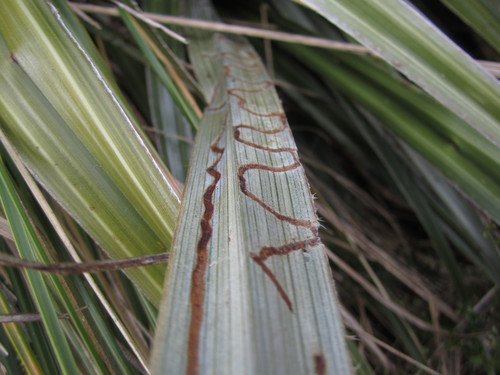
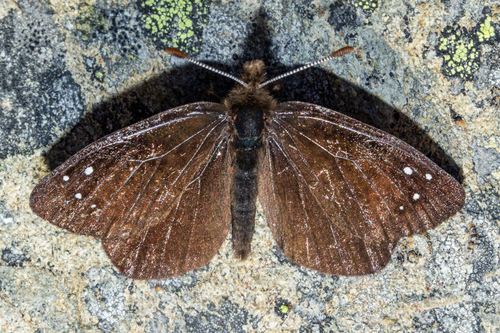
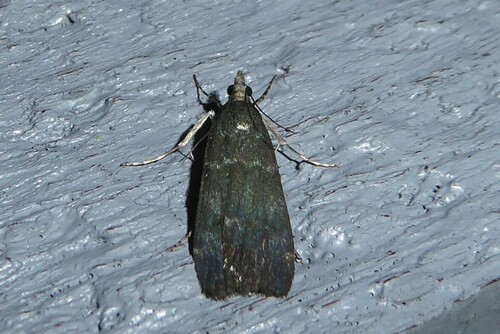
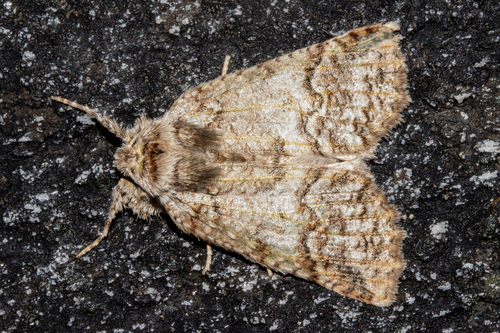
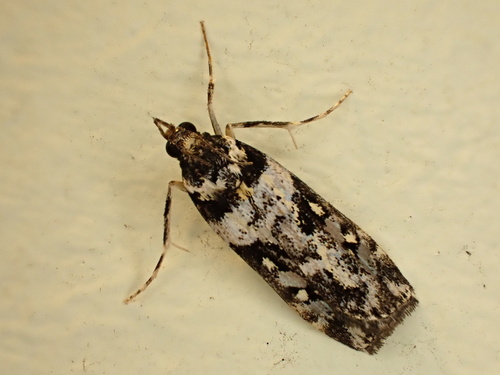
The closest relatives of the Canterbury Alpine Boulder Copper that you can see in Arthur's Pass National Park (order Lepidoptera, Butterflies and Moths) are Astelia Zig-Zag Moth (about 30%), Black Mountain Ringlet (about 30%) and Sod Webworm (about 30%), with each one's daily chance of a sighting.

Where does the Canterbury Alpine Boulder Copper sighting chance come from?

GBIF citizen-science records

It is estimated from how often the Canterbury Alpine Boulder Copper is recorded against all the insects logged in Arthur's Pass National Park (65 verified sightings from 2019 to 2026), calibrated against known sighting rates. Figures are rounded to the nearest 10% because citizen-science data supports honest approximations, not decimals, and months with records from fewer than five people show "—". How it works.

← Back to Arthur's Pass National Park