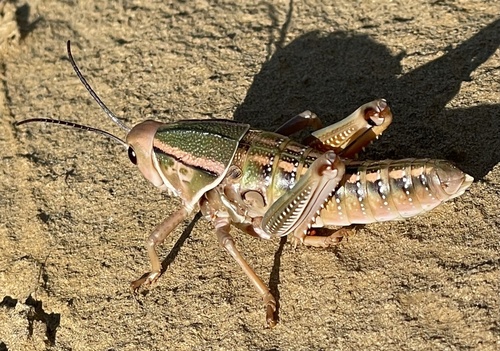
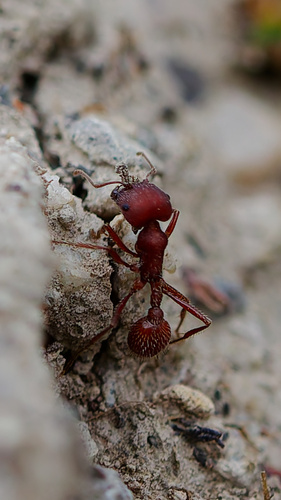
Western Harvester Ant

Western Harvester Ant

Pogonomyrmex occidentalis

Daily sighting probability ~30% · Possible
at Badlands National Park

In 3 days ~70% in a week ~90%

32 Verified sightings at Badlands National Park From 2019 to 2026
43 In all 3 parks
November Best month
☀️ Diurnal When it's spotted

About the Western Harvester Ant

Pogonomyrmex occidentalis, or the western harvester ant, is a species of ant that inhabits the deserts and arid grasslands of the American West and Canada at or below 6,300 feet (1,900 m). Like other harvester ants in the genus Pogonomyrmex, it is so called because of its habit of collecting edible seeds and other food items. The specific epithet "occidentalis", meaning "of the west", refers to the fact that it is characteristic of the interior of the Western United States; its mounds of gravel, surrounded by areas denuded of plant life, are a conspicuous feature of rangeland. When numerous, they may cause such loss of grazing plants and seeds, as to constitute both a severe ecological and economic burden. They have a painful and venomous sting.

Mature colonies consist of up to 20,000 workers and one queen. A queen can live up to 30 years, and many colonies survive for 20 years. A colony inhabits a nest that is up to 5 metres (16 ft) deep. The queen stays at the bottom of the nest, and workers usually relocate themselves and brood within the nest, capturing safe levels of heat. A colony's nest is topped by an irregularly conical nest mound that can be more than 89 centimetres... Wikipedia →
Global Distribution

Parks Where Found

# Park Country Daily sighting probability
1 Badlands National Park 🇺🇸 United States
~30%
2 Zion National Park 🇺🇸 United States
~10%
3 Grand Canyon National Park 🇺🇸 United States
~10%

Cities Where Found

# City Country Daily sighting probability
1 Denver 🇺🇸 United States
~10%
2 Salt Lake City 🇺🇸 United States
~10%

Before you go

What are the chances of seeing a Western Harvester Ant in Badlands National Park?

Possible

About 30% of wildlife watchers report a Western Harvester Ant sighting in Badlands National Park on a given day, based on 32 verified sightings from GBIF citizen-science data from 2019 to 2026. It is the 4th most-seen of the 37 insects we can rate there. Over three days the chance rises to about 70%, and over a week to about 90%, if each day is a fresh chance.

When is the best time to see a Western Harvester Ant in Badlands National Park?

July, September and November

In those months about 40% of wildlife watchers report a Western Harvester Ant in Badlands National Park on a given day, against under 5% in March–April and October, the lowest months.

What time of day is best to see a Western Harvester Ant?

Between 3 and 6 pm

Across all the parks we cover, that three-hour window holds the most Western Harvester Ant sightings with a recorded time, and about 9 in 10 of them come between 6 am and 6 pm: it is a daytime animal.

Is Badlands National Park the best place to see a Western Harvester Ant?

Yes

Of the 3 parks where we can rate Western Harvester Ant sightings, Badlands National Park has the highest daily chance: about 30%. Next come Zion National Park (United States, about 10%) and Grand Canyon National Park (United States, about 10%).

Which relatives of the Western Harvester Ant live in Badlands National Park?

Same order: Hymenoptera

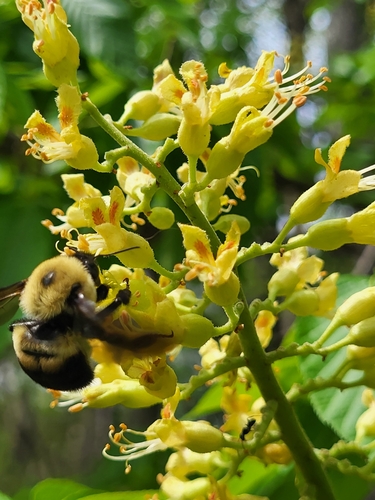
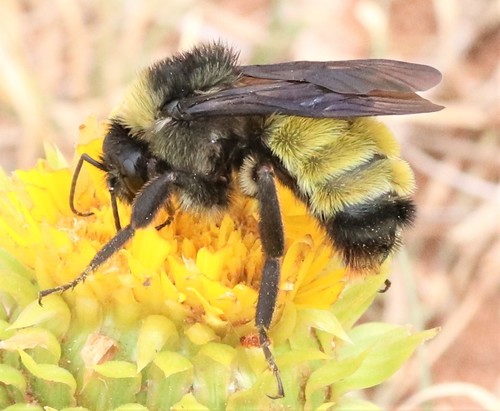
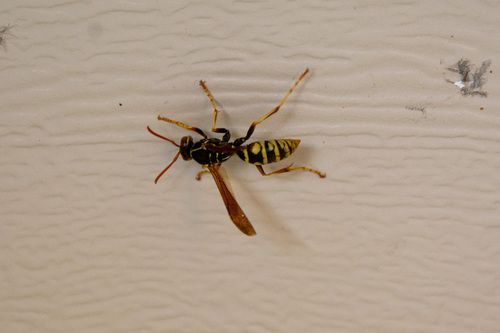
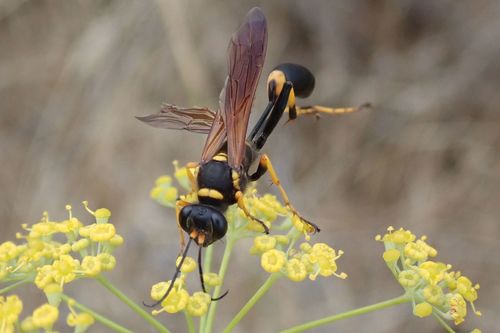
The closest relatives of the Western Harvester Ant that you can see in Badlands National Park (order Hymenoptera, Ants, Bees, Wasps, and Sawflies) are Brown-Belted Bumble Bee (about 30%), American Bumble Bee (about 20%) and Golden Paper Wasp (about 20%), with each one's daily chance of a sighting.

Where does the Western Harvester Ant sighting chance come from?

GBIF citizen-science records

It is estimated from how often the Western Harvester Ant is recorded against all the insects logged in Badlands National Park (32 verified sightings from 2019 to 2026), calibrated against known sighting rates. Figures are rounded to the nearest 10% because citizen-science data supports honest approximations, not decimals, and months with records from fewer than five people show "—". How it works.

← Back to Badlands National Park