Grand Canyon National Park
🇺🇸 United States
Colorado Plateau, United States 699 spp. recorded
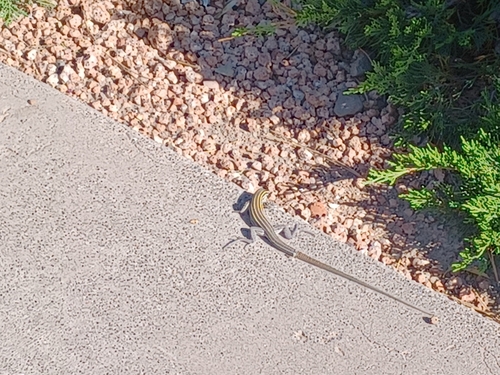
Grand Canyon National Park is a protected desert and dry scrub landscape set across the high Colorado Plateau in the United States. Visitors walk along arid rim trails flanked by scattered pinyon pine, juniper, and sparse shrubs that cling to dramatic rock walls. The park is famous for its immense, steep-sided gorge carved by the Colorado River.
36.182° N 112.161° W
🦜 Nature

337 Species sighted
71,694 Verified sightings From 2019 to 2026
Jul Best month
⭐ Iconic Species




📊 Most Spotted


⭐ Iconic Species
📊 Most Spotted


⭐ Iconic Species
📊 Most Spotted


📊 Most Spotted




📊 Most Spotted


📊 Most Spotted
🌙 Most active after dark
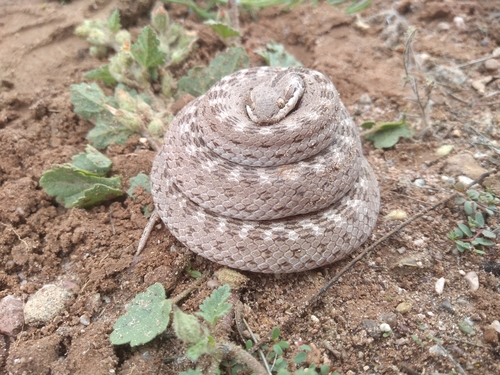


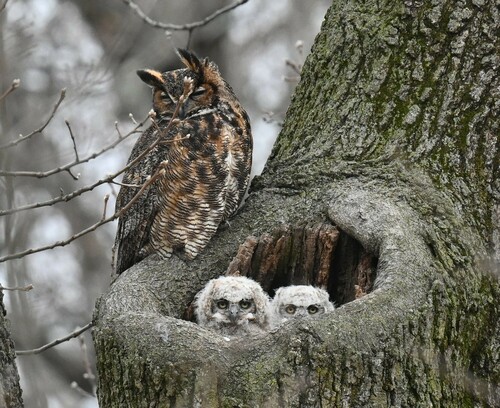


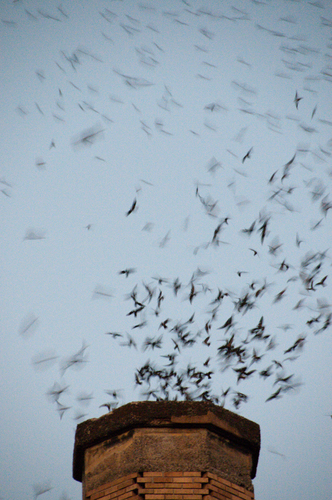
+ 445 more species with insufficient data
Recent sightings in Grand Canyon National Park
LIVEiNaturalistSighting Calendar
How many species you'd see in a day
23Jan
21Feb
27Mar
35Apr
41May
44Jun
46Jul
41Aug
40Sep
34Oct
26Nov
19Dec
Sighting Zones
Warmer areas are where all species together are recorded most often.
-
North Rim Lodge/Visitor Center
Daily sight. prob.vs avg -
Desert View
Daily sight. prob.vs avg -
Bright Angel Trailhead
Daily sight. prob.vs avg -
Mather Point
Daily sight. prob.vs avg -
Glen Canyon NRA · Navajo Bridge
Daily sight. prob.vs avg Common Side-blotched Lizard~90%+50%
 Desert Spiny Lizard~90%+40%
 California Condor~90%+70%
 White-tailed Antelope Squirrel~90%+70%
 Red-spotted Toad~70%+40%
 Desert Collared Lizard~50%+30%
 Western Whiptail~40%+10%
 Ornate Tree Lizard~40%≈
 Woodhouse's Toad~40%+30%
 Common Raven~40%-50%
 Eastern Collared Lizard~30%+20%
 American Bison~30%≈





🏕️ Experience
Essentials
Climate
Temp °C Rain mm
JanFebMarAprMayJunJulAugSepOctNovDec
0.0 Good
Wallace's Line Score
How good is this park for seeing wildlife? 🦜
Biodiversity
ExcellentHow rich is the wildlife?
4.7
Species by taxon
🦅 Birds 466
🐒 Mammals 135
🦎 Reptiles 72
🐸 Amphibians 26
699 Total Species
828 Global average across 316 parks
23 Threatened 22 Endemic
🔭
Sighting
GoodHow likely to see animals?
2.9
🎯
Top-12 Avg Probability
64% 📊
Coverage (123 species at ≥5% of 699 in the inventory)
18% 🔀
Taxon variety in top 12 (6 bird, 4 mammal, 2 reptile)
81% 🔭
Species per 10 outings (distinct species a visitor would meet over 10 outings — effort held equal across parks)
78 🌟
Iconic-group species (≥15%) (every species from the 19 iconic groups — monkeys, cats, toucans, macaws, sloths, crocodilians… — not just the 4 highlighted above)
6 ⭐
High-prob species (>40%)
18 🏕️
Experience
GoodHow easy and pleasant is the visit?
3.1
Climate Mixed Medium
Entrance Paid Low
Tourism High Low
Trails Hard Low
World Heritage Yes Bonus
What visitors say
Oddly, we saw neither of the more common North American nuthatches (White and Red-breasted) on this trip; both are found on the Grand Canyon South Rim (says eBird) and elsewhere in California, too.
I spotted a few squirrels hiding behind tree branches, but I don’t believe any were of the Kaibab variety, even though I hiked the North Kaibab Trail.
The next day, May 3, we hiked the first 2 miles of Bright Angel trail down into the Grand Canyon.
Note: Entry to Grand Canyon NP and other national parks and federal recreational lands across the US is available at no cost to veterans of the U.S.
Before you go
What animals can you see in Grand Canyon National Park?
699 species
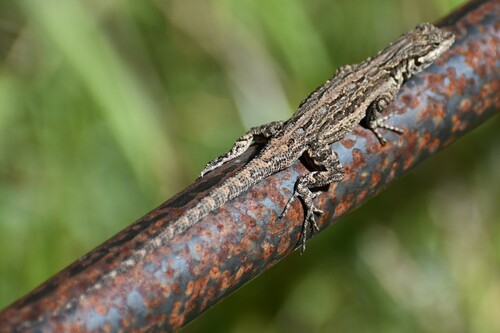
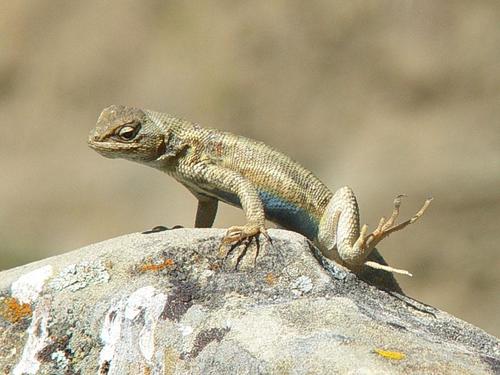
Grand Canyon National Park has 699 recorded vertebrate species. The ones wildlife watchers report most often on a given day are Common Raven (about 90%), Elk (wapiti) (about 90%), Rock Squirrel (about 80%), Plateau Fence Lizard (about 60%) and Mule Deer (about 60%). Among amphibians, the most-seen is Canyon Tree Frog (about 30%).
When is the best time to visit Grand Canyon National Park for wildlife?
July and September
In those months the park's 12 most-seen species average about 70% on a given day, against about 50% in January and February.
Can you see a California Condor in Grand Canyon National Park?
Yes
About 20% of wildlife watchers report a California Condor sighting in Grand Canyon National Park on a given day, based on 2,507 verified sightings from GBIF citizen-science data from 2019 to 2026. The best time is January and March (about 40%).
Can you see an Elk (wapiti) in Grand Canyon National Park?
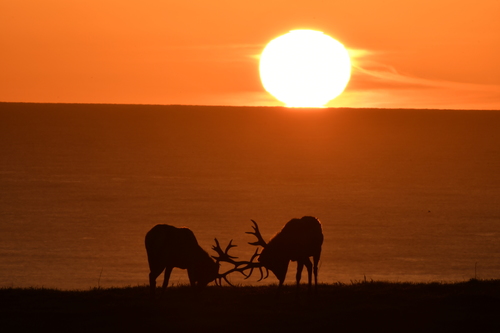
Yes
About 90% of wildlife watchers report an Elk (wapiti) sighting in Grand Canyon National Park on a given day, based on 1,541 verified sightings from GBIF citizen-science data from 2019 to 2026. The best time is June–July and October–April (about 90%).
Can you see a Bighorn Sheep in Grand Canyon National Park?
Yes
About 60% of wildlife watchers report a Bighorn Sheep sighting in Grand Canyon National Park on a given day, based on 549 verified sightings from GBIF citizen-science data from 2019 to 2026. The best time is November (about 80%).
Can you see a Mule Deer in Grand Canyon National Park?
Yes
About 60% of wildlife watchers report a Mule Deer sighting in Grand Canyon National Park on a given day, based on 499 verified sightings from GBIF citizen-science data from 2019 to 2026. The best time is November to March (about 80%).
Where in Grand Canyon National Park is wildlife easiest to see?
Around North Rim Lodge/Visitor Center
The richest sighting zone is around North Rim Lodge/Visitor Center, followed by Desert View and Bright Angel Trailhead, ranked by how many of the park's headline animals visitors can expect to see in each. See the zones on the map.
Is Grand Canyon National Park good for wildlife watching?
3.4 out of 5
On the Wallace's Line Score, Grand Canyon National Park rates 3.4/5: 226th of 316 parks worldwide and 35th in North America. 22 of its species are reported by about 40% or more of wildlife watchers on a given day.