Ethiopian Highland Hare

Ethiopian Highland Hare

Lepus starcki

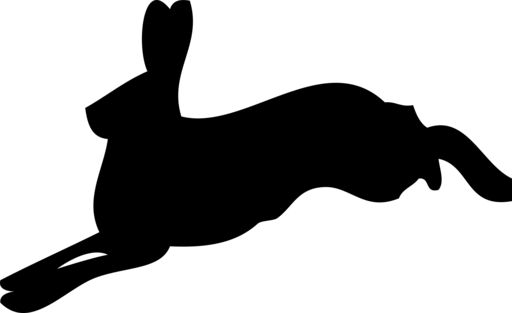
Silhouette: Jan A. Venter, Herbert H. T. Prins, David A. Balfour & Rob Slotow (vectorized by T. Michael Keesey) · PhyloPic

LCLeast ConcernNTVUENCR Endemic
Daily sighting probability ~60% · Likely
at Bale Mountains National Park

In 3 days ~90% in a week >90%

14 Verified sightings at Bale Mountains National Park From 2019 to 2026
14 In 1 park
July Best month
☀️ Diurnal When it's spotted

About the Ethiopian Highland Hare

The Ethiopian highland hare (Lepus starcki) or Starck's hare is a medium-sized species of mammal in the rabbit and hare family, Leporidae. Its dorsal pelage is grizzled, buff white and spotted and streaked with black, while its belly fur is pure white and fluffy. It is endemic to the Ethiopian Highlands, ranging over the Afroalpine regions of the Shoa, Bale, and Arsi Provinces of Ethiopia. A herbivore, it mostly feeds on moorland grasses. The IUCN rates it as a species of least concern.

The Ethiopian highland hare was first described by the French zoologist Francis Petter in 1963. It was originally described as a subspecies of the cape hare (Lepus capensis), but was later given a species status by Renate Angermann in 1983. In 1987, Maria Luisa Azzaroli-Puccetti also listed the Ethiopian highland hare as a separate species, although she suggested it to be a primitive form of the European hare (Lepus europaeus), and is closely related to it, due to the similarity of their skulls. She mentioned that after an interglacial period, the retraction of glaciers may have isolated the populations of the European hare on the Ethiopian plateau, which evolved as a different subspecies... Wikipedia →

Global Distribution

Parks Where Found

# Park Country Daily sighting probability
1 Bale Mountains National Park 🇪🇹 Ethiopia
~60%

More parks will be added in future updates.

Closest Relatives at Bale Mountains National Park

No species of the same family or order lives in Bale Mountains National Park, so these are its closest relatives here: other mammals.

Before you go

What are the chances of seeing an Ethiopian Highland Hare in Bale Mountains National Park?

Likely

About 60% of wildlife watchers report an Ethiopian Highland Hare sighting in Bale Mountains National Park on a given day, based on 14 verified sightings from GBIF citizen-science data from 2019 to 2026. It is the 7th most-seen of the 14 mammals we can rate there. Over three days the chance rises to about 90%, and over a week to over 90%, if each day is a fresh chance.

When is the best time to see an Ethiopian Highland Hare in Bale Mountains National Park?

January, March and July

In those months about 70% of wildlife watchers report an Ethiopian Highland Hare in Bale Mountains National Park on a given day, against about 20% in June and October, the lowest months. August and September have too few records to rate.

What time of day is best to see an Ethiopian Highland Hare?

Between 8 and 11 am

Across all the parks we cover, that three-hour window holds the most Ethiopian Highland Hare sightings with a recorded time, and about 8 in 10 of them come between 6 am and 6 pm: it is a daytime animal.

Where else can you see an Ethiopian Highland Hare?

Only Bale Mountains National Park, in our data

Bale Mountains National Park is the only park on Wallace's Line with enough records to rate Ethiopian Highland Hare sightings: about 60% of wildlife watchers there report one on a given day.

Where does the Ethiopian Highland Hare sighting chance come from?

GBIF citizen-science records

It is estimated from how often the Ethiopian Highland Hare is recorded against all the mammals logged in Bale Mountains National Park (14 verified sightings from 2019 to 2026), calibrated against known sighting rates. Figures are rounded to the nearest 10% because citizen-science data supports honest approximations, not decimals, and months with records from fewer than five people show "—". How it works.

← Back to Bale Mountains National Park