Bale Mountains National Park
🇪🇹 Ethiopia
Horn of Africa, Ethiopia 996 spp. recorded
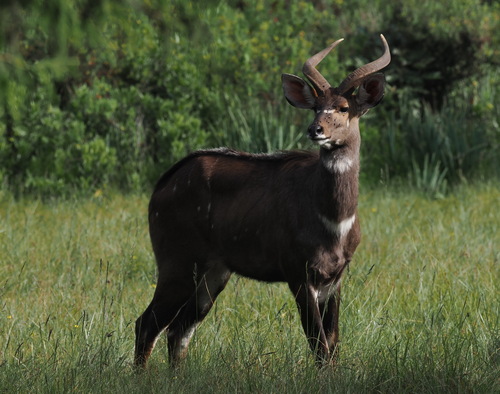
Bale Mountains National Park is a protected high-altitude grassland and mountain wilderness in the Horn of Africa, Ethiopia. Visitors walk through vast sweeping plateaus and damp valleys dominated by open alpine vegetation. This terrain differs from typical tropical forests through its freezing night temperatures and endless moorlands. The park is famous as the global stronghold for the rare Ethiopian Wolf and the majestic Mountain Nyala.
6.871° N 39.777° E
🦜 Nature

241 Species sighted
6,387 Verified sightings From 2019 to 2026
Jan Best month
⭐ Iconic Species




📊 Most Spotted




⭐ Iconic Species
📊 Most Spotted




⭐ Iconic Species
📊 Most Spotted


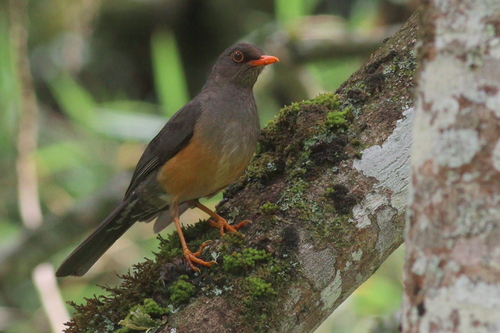


📊 Most Spotted
📊 Most Spotted
🌙 Most active after dark


+ 866 more species with insufficient data
Recent sightings in Bale Mountains National Park
LIVEiNaturalistSighting Calendar
How many species you'd see in a day
37Jan
26Feb
7.2Mar
31Apr
31May
29Jun
35Jul
24Aug
0.5Sep
32Oct
36Nov
36Dec
Sighting Zones
Warmer areas are where all species together are recorded most often.
-
Northern escarpment (BMNP gate to north tower)
-
Bale Mts · Dinsho Park Headquarters
-
Bale Mountain Lodge area
Daily sight. prob.vs avg -
North (north cell tower to Tulu Dimtu Jct)
-
Goba escarpment (Goba town to park gate)
Daily sight. prob.vs avg


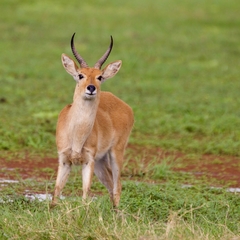
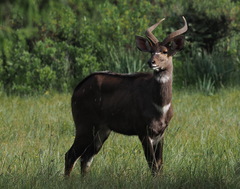


🏕️ Experience
Essentials
Climate
Temp °C Rain mm
JanFebMarAprMayJunJulAugSepOctNovDec
0.0 Excellent
Wallace's Line Score
How good is this park for seeing wildlife? 🦜
Biodiversity
ExcellentHow rich is the wildlife?
4.8
Species by taxon
🦅 Birds 723
🐒 Mammals 160
🦎 Reptiles 84
🐸 Amphibians 29
996 Total Species
828 Global average across 316 parks
54 Threatened 5 Endemic
🔭
Sighting
Very goodHow likely to see animals?
3.9
🎯
Top-12 Avg Probability
80% 📊
Coverage (134 species at ≥5% of 996 in the inventory)
13% 🔀
Taxon variety in top 12 (7 bird, 5 mammal)
65% 🔭
Species per 10 outings (distinct species a visitor would meet over 10 outings — effort held equal across parks)
103 🌟
Iconic-group species (≥15%) (every species from the 19 iconic groups — monkeys, cats, toucans, macaws, sloths, crocodilians… — not just the 4 highlighted above)
15 ⭐
High-prob species (>40%)
31 🏕️
Experience
Very goodHow easy and pleasant is the visit?
3.9
Climate Harsh Low
Entrance Paid Low
Tourism Low High
Trails Moderate Medium
World Heritage Yes Bonus
What visitors say
We took a nice hike under the trees and hoped to spot some… And suddenly, here they were, Menelik bushbucks and mountain nyalas.
Augur Buzzard Augur Buzzard We saw more Steppe Eagles chasing one another across the sky and Tawny Eagles sitting bold as brass by the road, inquisitively looking around at us when we made a sound to attract their attention.
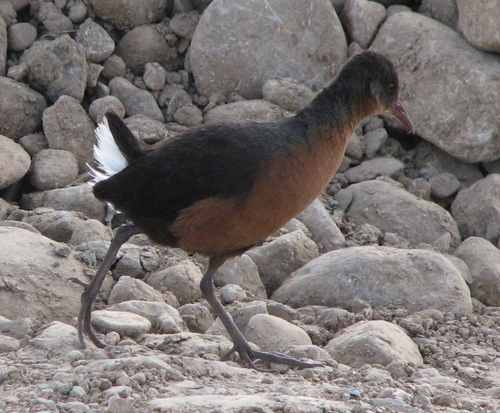
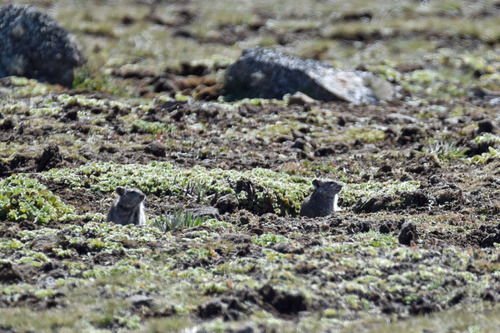
The bird watching here is superb, and besides some of the beautiful specials such as Rouget’s rail, blue-winged goose, ruddy shelduck, and black-headed siskin, we saw many raptors that came to feast on the abundant rodents here.
Researching about Ethiopian get-aways I happened upon an article on Bale Mountains National Park and the natural wonders it shelters – the endemic animals the amazing landscapes and its'…yes: WIDE OPEN SPACES…
Before you go
What animals can you see in Bale Mountains National Park?
996 species
Bale Mountains National Park has 996 recorded vertebrate species. The ones wildlife watchers report most often on a given day are Ethiopian Wolf (about 90%), Blue-winged Goose (about 90%), Moorland Chat (about 80%), Wattled Ibis (about 80%) and White-collared Pigeon (about 80%).
When is the best time to visit Bale Mountains National Park for wildlife?
April, June–August and November–January
In those months the park's 12 most-seen species average about 80% on a given day, against about 70% in February, May and October.
Can you see an Ethiopian Wolf in Bale Mountains National Park?
Yes
About 90% of wildlife watchers report an Ethiopian Wolf sighting in Bale Mountains National Park on a given day, based on 60 verified sightings from GBIF citizen-science data from 2019 to 2026. The best time is March–April, June–July and November–January (about 90%).
Can you see a Mountain Nyala in Bale Mountains National Park?
Yes
About 80% of wildlife watchers report a Mountain Nyala sighting in Bale Mountains National Park on a given day, based on 88 verified sightings from GBIF citizen-science data from 2019 to 2026. The best time is February–April and December (about 80%).
Can you see a Blue-winged Goose in Bale Mountains National Park?
Yes
About 90% of wildlife watchers report a Blue-winged Goose sighting in Bale Mountains National Park on a given day, based on 214 verified sightings from GBIF citizen-science data from 2019 to 2026. The best time is December (over 90%).
Where in Bale Mountains National Park is wildlife easiest to see?
Around Northern escarpment (BMNP gate to north tower)
The richest sighting zone is around Northern escarpment (BMNP gate to north tower), followed by Bale Mts · Dinsho Park Headquarters and Bale Mountain Lodge area, ranked by how many of the park's headline animals visitors can expect to see in each. See the zones on the map.
Is Bale Mountains National Park good for wildlife watching?
4.2 out of 5
On the Wallace's Line Score, Bale Mountains National Park rates 4.2/5: 90th of 316 parks worldwide and 44th in Africa. 36 of its species are reported by about 40% or more of wildlife watchers on a given day.


