Dark Umber

Dark Umber

Philereme transversata

Daily sighting probability <5% · Rare
at Bavarian Forest National Park

In 3 days ~10% in a week ~30%

5 Verified sightings at Bavarian Forest National Park From 2019 to 2026
11 In all 2 parks
June Best month
🌙 Nocturnal When it's spotted

About the Dark Umber

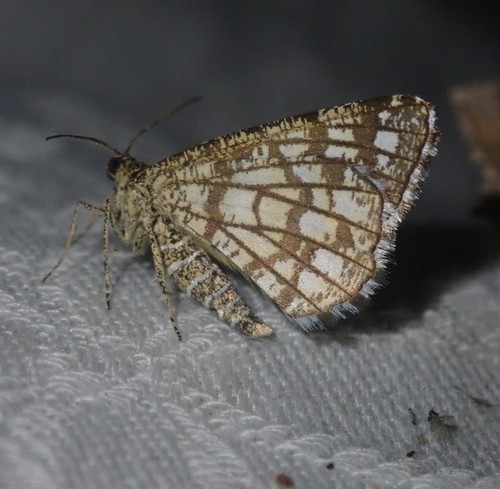
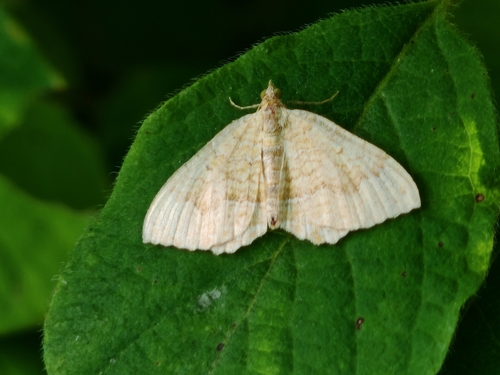
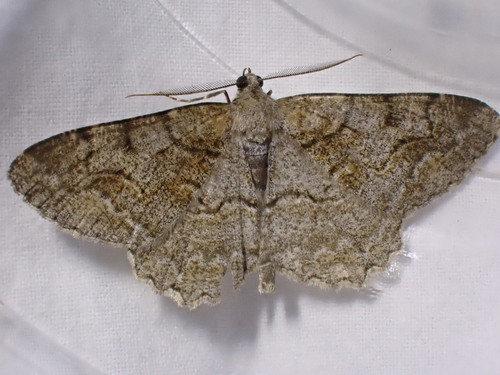
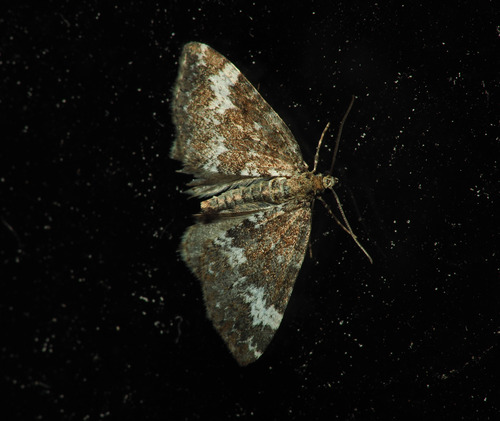
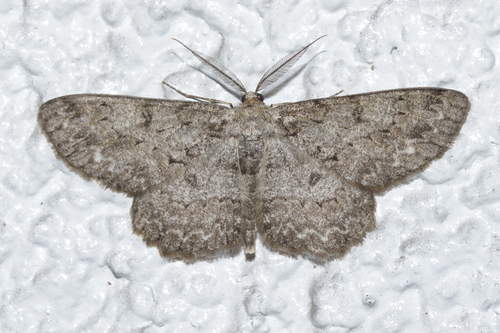
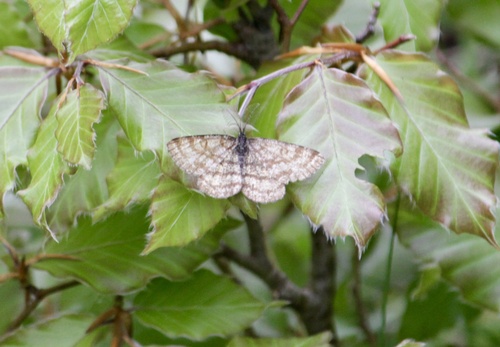
Philereme transversata, the dark umber, is a moth of the family Geometridae. It is found in much of the Palearctic realm. The wingspan is 29–37 mm. Variable in colour but generally very constant in markings, forewing with all the lines sharply angulated near the costa, the postmedian with an unusually long, double projection at the first radial. The ground-colour is bright ochreous brown or dark brown, the lines darker, the median band sometimes almost dissolved into lines but oftener more or less solid, at times quite blackish. — ab. hastedonensis Lamhill. is a melanotic form in which the brown ground-colour of the type form is in a large measure replaced by blackish. Described from Belgium, but occurs also near London. — japanaria Leech is lighter, with the median area of the forewing not or not appreciably darkened. Oiwake, Japan.

There is one generation per year with adults on wing from the beginning of June to August. The larvae feed on buckthorn (Rhamnus cathartica). The larvae can be found from the end of April to June. The caterpillar has two forms, one pale green and the other dark brown and cream. It overwinters as an egg. Wikipedia →
Global Distribution

Parks Where Found

# Park Country Daily sighting probability
1 Bavarian Forest National Park 🇩🇪 Germany
<5%
2 Sierra de Guadarrama National Park 🇪🇸 Spain
<5%

Cities Where Found

# City Country Daily sighting probability
1 London 🇬🇧 United Kingdom
~10%
2 Berlin 🇩🇪 Germany
<5%
3 Vienna 🇦🇹 Austria
<5%

Before you go

What are the chances of seeing a Dark Umber in Bavarian Forest National Park?

Rare

Under 5% of wildlife watchers report a Dark Umber sighting in Bavarian Forest National Park on a given day, based on 5 verified sightings from GBIF citizen-science data from 2019 to 2026. It is the 964th most-seen of the 1115 insects we can rate there. Over three days the chance rises to about 10%, and over a week to about 30%, if each day is a fresh chance.

When is the best time to see a Dark Umber in Bavarian Forest National Park?

June and July

In those months about 10% of wildlife watchers report a Dark Umber in Bavarian Forest National Park on a given day, against under 5% in August to May, the lowest months.

What time of day is best to see a Dark Umber?

Between 10 pm and 1 am

Across all the parks we cover, that three-hour window holds the most Dark Umber sightings with a recorded time, and about 9 in 10 of them come between 6 pm and 6 am: it is mostly seen at night.

Is Bavarian Forest National Park the best place to see a Dark Umber?

Yes

Of the 2 parks where we can rate Dark Umber sightings, Bavarian Forest National Park has the highest daily chance: under 5%. Next come Sierra de Guadarrama National Park (Spain, under 5%).

Which relatives of the Dark Umber live in Bavarian Forest National Park?

Same family: Geometridae

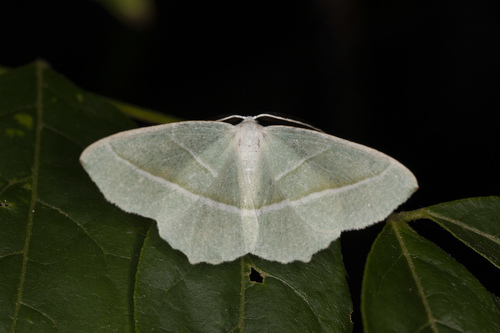
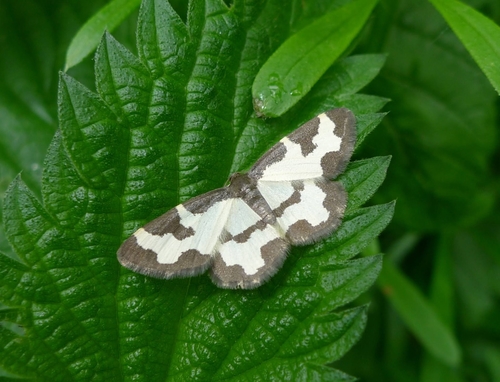
The closest relatives of the Dark Umber that you can see in Bavarian Forest National Park (family Geometridae, Geometer Moths) are Common Heath (about 20%), Latticed Heath (about 20%) and Yellow Shell Moth (about 20%), with each one's daily chance of a sighting.

Where does the Dark Umber sighting chance come from?

GBIF citizen-science records

It is estimated from how often the Dark Umber is recorded against all the insects logged in Bavarian Forest National Park (5 verified sightings from 2019 to 2026), calibrated against known sighting rates. Figures are rounded to the nearest 10% because citizen-science data supports honest approximations, not decimals, and months with records from fewer than five people show "—". How it works.

← Back to Bavarian Forest National Park