Mesquite Webworm Moth

Mesquite Webworm Moth

Friseria cockerelli

Daily sighting probability ~10% · With luck
at Big Bend National Park

In 3 days ~20% in a week ~30%

7 Verified sightings at Big Bend National Park From 2019 to 2026
7 In 1 park
April Best month
🌙 Nocturnal When it's spotted

About the Mesquite Webworm Moth

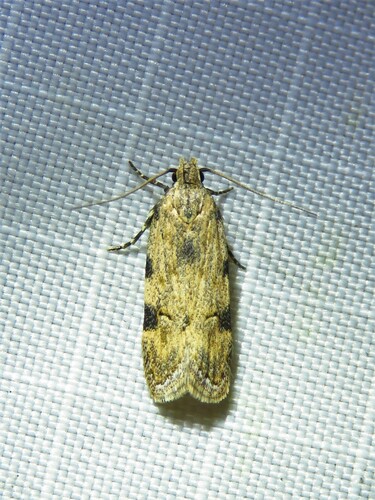
Friseria cockerelli, the mesquite webworm moth, is a moth of the family Gelechiidae. It is found in Mexico and the southern United States, where it has been recorded in the states of Texas, New Mexico, Arizona, Colorado, California, Oklahoma and Nevada.

The wingspan is 15-16.5 mm. The forewings are light yellowish-brown, with dark blackish brown markings. It also has a large dark brown patch on the dorsal edge near the base. The costal base is of the general color of the wing and there is a blackish ill-defined costal spot at the apical third, which runs out in a dark shade across the wing. Just before this spot is another smaller, more sharply defined costal blackish spot.

Along the veins and in the disk are longitudinal dark lines, sharpest and darkest in the apical part of the wing, and each disappearing at the base of the cilia in a deep black spot. These longitudinal streaks are interrupted at the end of the cell by a short thin perpendicular deep black streak, followed by a short light brown space. The hindwings are yellowish fuscous. Adults are mostly on the wing from April to September.

The larvae feed on Prosopis species. Wikipedia →
Global Distribution

Parks Where Found

# Park Country Daily sighting probability
1 Big Bend National Park 🇺🇸 United States
~10%

More parks will be added in future updates.

Before you go

What are the chances of seeing a Mesquite Webworm Moth in Big Bend National Park?

With luck

About 10% of wildlife watchers report a Mesquite Webworm Moth sighting in Big Bend National Park on a given day, based on 7 verified sightings from GBIF citizen-science data from 2019 to 2026. It is the 255th most-seen of the 329 insects we can rate there. Over three days the chance rises to about 20%, and over a week to about 30%, if each day is a fresh chance.

When is the best time to see a Mesquite Webworm Moth in Big Bend National Park?

March–April, June and September

In those months about 10% of wildlife watchers report a Mesquite Webworm Moth in Big Bend National Park on a given day, against under 5% in May, July–August and October–February, the lowest months.

What time of day is best to see a Mesquite Webworm Moth?

Between 9 pm and midnight

Across all the parks we cover, that three-hour window holds the most Mesquite Webworm Moth sightings with a recorded time, and nearly all of them come between 6 pm and 6 am: it is mostly seen at night.

Where else can you see a Mesquite Webworm Moth?

Only Big Bend National Park, in our data

Big Bend National Park is the only park on Wallace's Line with enough records to rate Mesquite Webworm Moth sightings: about 10% of wildlife watchers there report one on a given day.

Which relatives of the Mesquite Webworm Moth live in Big Bend National Park?

Same order: Lepidoptera

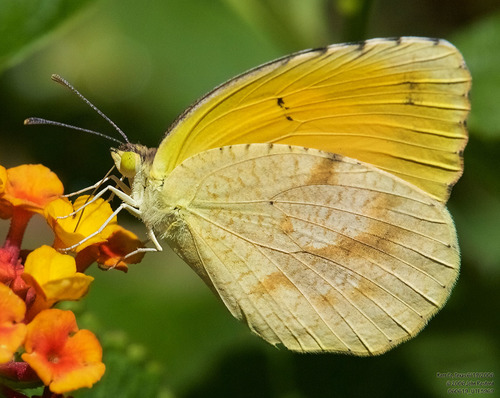
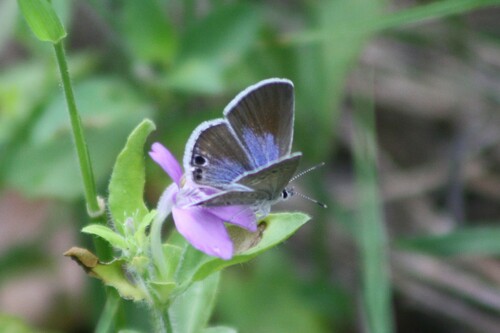
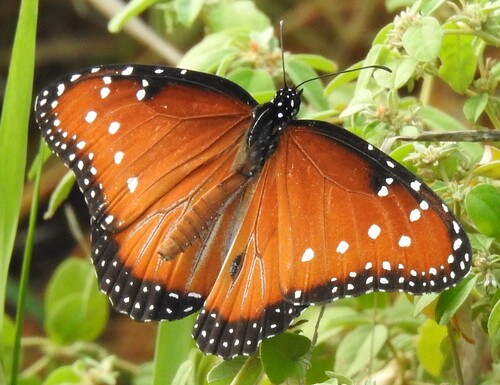
The closest relatives of the Mesquite Webworm Moth that you can see in Big Bend National Park (order Lepidoptera, Butterflies and Moths) are Empress Leilia (about 40%), Sleepy Orange (about 30%) and Reakirt's Blue (about 30%), with each one's daily chance of a sighting.

Where does the Mesquite Webworm Moth sighting chance come from?

GBIF citizen-science records

It is estimated from how often the Mesquite Webworm Moth is recorded against all the insects logged in Big Bend National Park (7 verified sightings from 2019 to 2026), calibrated against known sighting rates. Figures are rounded to the nearest 10% because citizen-science data supports honest approximations, not decimals, and months with records from fewer than five people show "—". How it works.

← Back to Big Bend National Park