Green Potato Bug

Green Potato Bug

Cuspicona simplex

Daily sighting probability ~10% · With luck
at Blue Mountains National Park

In 3 days ~20% in a week ~30%

10 Verified sightings at Blue Mountains National Park From 2019 to 2026
10 In 1 park
May Best month
☀️ Diurnal When it's spotted

About the Green Potato Bug

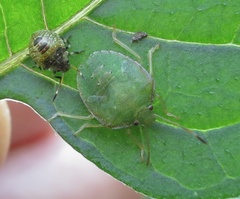
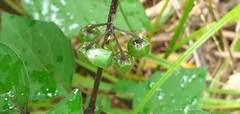
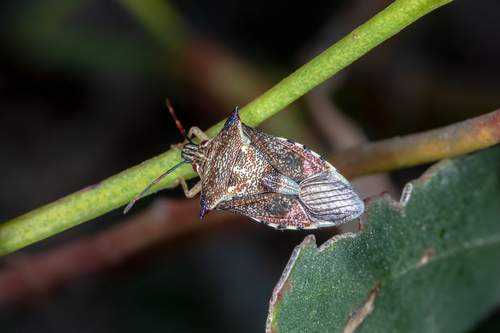
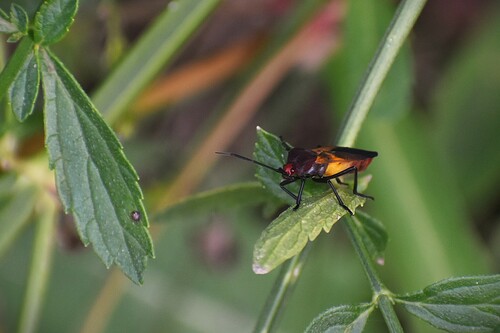
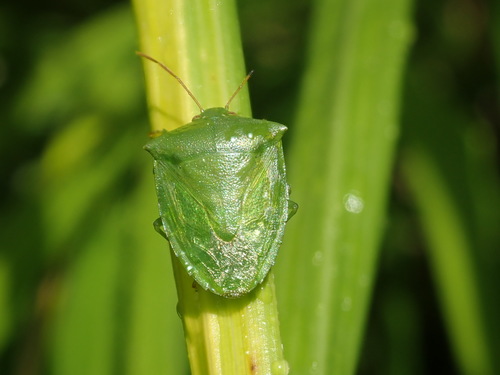
Cuspicona simplex, commonly known as the green potato bug, is a herbivorous species of stink bug native to Australia and introduced to New Zealand. It feeds on nightshades. It is primarily known as a pest of potatoes, tomatoes, and other crops in the nightshade family.

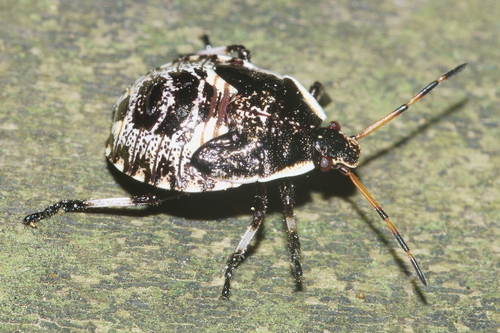
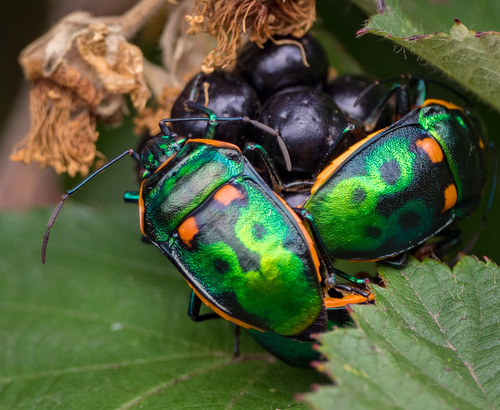
Adults are bright green, range in length from 8.25 to 10.4 mm (0.325 to 0.409 in), and have pointed humeri (shoulders). The first and second instar nymphs are much smaller, primarily black and white, with some patches of red or brown. Later nymph stages are pale green with black patches on the abdomen.

Adults usually lay 14 eggs together in a mass on the undersides of leaves. Bugs emerge and stay near the egg mass until shedding their skins. Similar to other pentatomids, Cuspicona simplex progresses through five juvenile stages called nymphs, and finally to adult. Adults overwinter on the base of plants or in loose soil until late spring, when they aggregate to mate and lay eggs. The total development time from egg to adult depends on temperature, but takes between 28 and 30 days at a constant temperature of 21 °C (70 °F).

Cuspicona simplex is usually found in association... Wikipedia →
Global Distribution

Parks Where Found

# Park Country Daily sighting probability
1 Blue Mountains National Park 🇦🇺 Australia
~10%

More parks will be added in future updates.

Cities Where Found

# City Country Daily sighting probability
1 Auckland 🇳🇿 New Zealand
~10%
2 Sydney 🇦🇺 Australia
~10%
3 Melbourne 🇦🇺 Australia
<5%
4 Brisbane 🇦🇺 Australia
<5%

Before you go

What are the chances of seeing a Green Potato Bug in Blue Mountains National Park?

With luck

About 10% of wildlife watchers report a Green Potato Bug sighting in Blue Mountains National Park on a given day, based on 10 verified sightings from GBIF citizen-science data from 2019 to 2026. It is the 409th most-seen of the 789 insects we can rate there. Over three days the chance rises to about 20%, and over a week to about 30%, if each day is a fresh chance.

When is the best time to see a Green Potato Bug in Blue Mountains National Park?

January–February, May and October–November

In those months about 10% of wildlife watchers report a Green Potato Bug in Blue Mountains National Park on a given day, against under 5% in March–April, June–September and December, the lowest months.

What time of day is best to see a Green Potato Bug?

Between 9 am and noon

Across all the parks we cover, that three-hour window holds the most Green Potato Bug sightings with a recorded time, and about 9 in 10 of them come between 6 am and 6 pm: it is a daytime animal.

Where else can you see a Green Potato Bug?

Only Blue Mountains National Park, in our data

Blue Mountains National Park is the only park on Wallace's Line with enough records to rate Green Potato Bug sightings: about 10% of wildlife watchers there report one on a given day.

Which relatives of the Green Potato Bug live in Blue Mountains National Park?

Same family: Pentatomidae

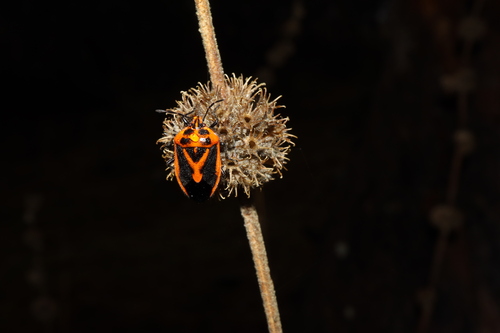
The closest relatives of the Green Potato Bug that you can see in Blue Mountains National Park (family Pentatomidae, Stink Bugs) are Horehound Bug (about 10%) and Brown Soldier Bug (about 10%), with each one's daily chance of a sighting.

Where does the Green Potato Bug sighting chance come from?

GBIF citizen-science records

It is estimated from how often the Green Potato Bug is recorded against all the insects logged in Blue Mountains National Park (10 verified sightings from 2019 to 2026), calibrated against known sighting rates. Figures are rounded to the nearest 10% because citizen-science data supports honest approximations, not decimals, and months with records from fewer than five people show "—". How it works.

← Back to Blue Mountains National Park