


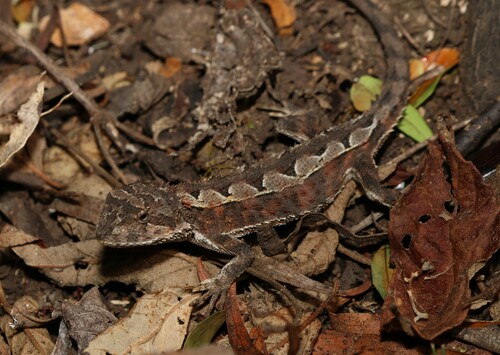

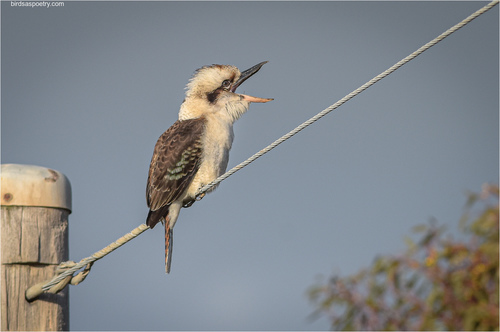


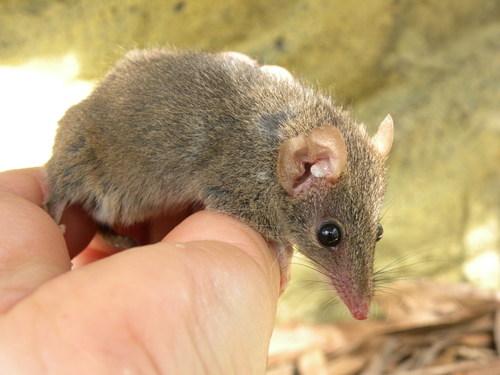


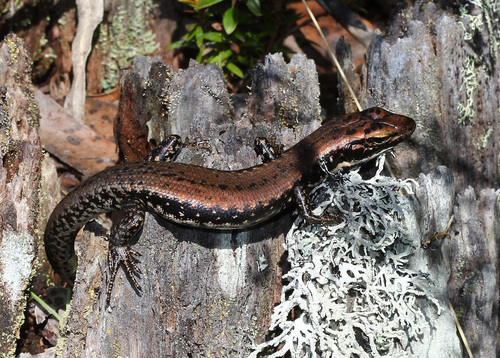


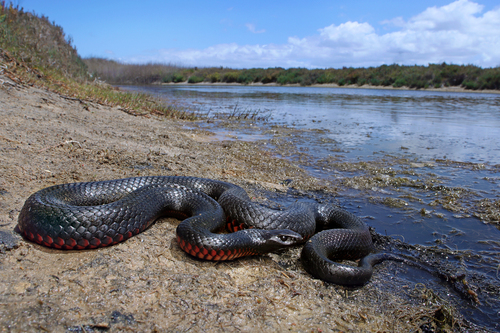


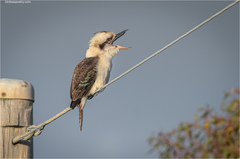

All 4 in 3 days here: ~60%
Blue Mountains National Park
🇦🇺 Australia
Oceania, Australia 714 spp. recorded
Blue Mountains National Park is a protected temperate forest situated inland from Sydney in New South Wales. Deep sandstone canyons, eucalyptus valleys, and towering cliffs define this rugged Australian reserve, separating it from coastal and tropical parks through its cool mountain climate and vast forest canopy.
-33.837° S 150.493° E
🦜 Nature

343 Species sighted
141,408 Verified sightings From 2019 to 2026
Nov Best month
⭐ Iconic Species
📊 Most Spotted
⭐ Iconic Species
📊 Most Spotted
⭐ Iconic Species
📊 Most Spotted
📊 Most Spotted
📊 Most Spotted
📊 Most Spotted
🌙 Most active after dark
+ 434 more species with insufficient data
Challenges you can complete here


All 5 in 3 days here: ~50%
Recent sightings in Blue Mountains National Park
LIVEiNaturalistSighting Calendar
How many species you'd see in a day
85Jan
77Feb
71Mar
65Apr
51May
40Jun
37Jul
50Aug
74Sep
83Oct
89Nov
88Dec
Sighting Zones
Warmer areas are where all species together are recorded most often.
-
Echo Point
Daily sight. prob.vs avg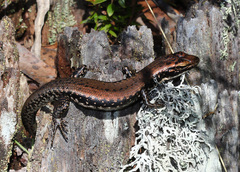 Southern Water Skink~70%+40%
 Blotched Bluetongue~70%+40%
 Highlands Copperhead~70%+40%
 Common Ringtail Possum~60%+40%
 Sulphur-crested Cockatoo~60%-10%
 Cunningham's Skink~60%+30%
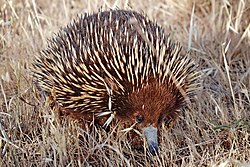 Short-beaked Echidna~60%+40%
 Swamp Wallaby~50%+30%
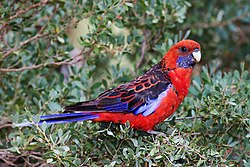 Crimson Rosella~50%-20%
 Australian Water Dragon~40%≈
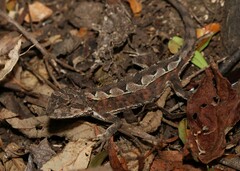 Mountain Dragon~40%-10%
 Pied Currawong~40%-10%
-
Charles Darwin Walk, Wentworth Falls
Daily sight. prob.vs avg- Southern Water Skink~70%+40%
- Australian Water Dragon~70%+20%
- Mountain Dragon~70%+20%
- Sulphur-crested Cockatoo~60%-10%
- Highlands Copperhead~60%+30%
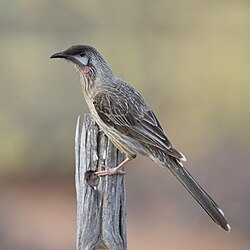 Red Wattlebird~60%≈
- Crimson Rosella~60%-10%
- Blotched Bluetongue~50%+20%
 Eastern Spinebill~50%-20%
 Red-bellied Black Snake~50%+20%
 Striped Marsh Frog~50%+20%
 Brown Thornbill~50%-10%
-
Glenbrook Lagoon
Daily sight. prob.vs avg Eastern Water Skink~70%+30%
 Peron's Tree Frog~60%+30%
- Australian Water Dragon~60%+10%
 Common Bluetongue~60%+30%
- Sulphur-crested Cockatoo~60%-20%
 Broad-tailed Gecko~50%+30%
 Coconut Lorikeet~50%≈
 Common Brushtail~50%+20%
- Striped Marsh Frog~50%+20%
- Red-bellied Black Snake~40%+20%
 Lace Monitor~40%+20%
 Yellow-faced Honeyeater~40%-10%
-
Tom Hunter Park (Faulconbridge)
Daily sight. prob.vs avg- Mountain Dragon~70%+20%
- Sulphur-crested Cockatoo~70%-10%
- Australian Water Dragon~60%+20%
- Coconut Lorikeet~60%+10%
- Broad-tailed Gecko~60%+30%
 Jacky Lashtail~50%+20%
- Red Wattlebird~50%-10%
- Common Brushtail~50%+20%
- Crimson Rosella~50%-20%
- Peron's Tree Frog~40%+20%
- Eastern Spinebill~40%-30%
 Common Eastern Froglet~40%+20%
-
The 'Moo
Daily sight. prob.vs avg- Broad-tailed Gecko~70%+40%
- Sulphur-crested Cockatoo~60%-10%
- Peron's Tree Frog~60%+30%
- Jacky Lashtail~60%+20%
- Eastern Water Skink~60%+20%
- Mountain Dragon~60%+10%
- Coconut Lorikeet~50%≈
- Australian Water Dragon~50%≈
- Crimson Rosella~40%-20%
 Red-crowned Toadlet~40%+30%
- Common Eastern Froglet~40%+20%
- Eastern Spinebill~40%-30%
🏕️ Experience
Essentials
Climate
Temp °C Rain mm
JanFebMarAprMayJunJulAugSepOctNovDec
0.0 Good
Wallace's Line Score
How good is this park for seeing wildlife? 🦜
Biodiversity
ExcellentHow rich is the wildlife?
5.0
Species by taxon
🦅 Birds 442
🐒 Mammals 98
🦎 Reptiles 123
🐸 Amphibians 51
714 Total Species
828 Global average across 316 parks
43 Threatened 365 Endemic
🔭
Sighting
GoodHow likely to see animals?
3.0
🎯
Top-12 Avg Probability
59% 📊
Coverage (158 species at ≥5% of 714 in the inventory)
22% 🔀
Taxon variety in top 12 (11 bird, 1 reptile)
20% 🔭
Species per 10 outings (distinct species a visitor would meet over 10 outings — effort held equal across parks)
83 🌟
Iconic-group species (≥15%) (every species from the 19 iconic groups — monkeys, cats, toucans, macaws, sloths, crocodilians… — not just the 4 highlighted above)
14 ⭐
High-prob species (>40%)
21 🏕️
Experience
GoodHow easy and pleasant is the visit?
3.1
Climate Mixed Medium
Entrance Paid Low
Tourism High Low
Trails Hard Low
World Heritage Yes Bonus
What visitors say
Closed path on first of the Three Sisters View of Echo Point lookout Looking down from here, I saw a couple of king’s parrots with their right red heads and green wings!
Pacific Black Duck Although we had seen plenty of these ducks before this one posed on a rock, this is the first one to show off those brilliant feathers!
We saw numerous types of birds, koalas, wombats, goats, donkeys, ducks and more!
We drove west for an hour and a half to the little town of Luera, set in the middle of Blue Mountains National Park.
Before you go
What animals can you see in Blue Mountains National Park?
714 species
Blue Mountains National Park has 714 recorded vertebrate species. The ones wildlife watchers report most often on a given day are Sulphur-crested Cockatoo (about 80%), Eastern Spinebill (about 70%), Crimson Rosella (about 70%), Red Wattlebird (about 60%) and Australian Magpie (about 60%). Among mammals, the most-seen is Eastern Grey Kangaroo (about 30%); among reptiles, Mountain Dragon (about 50%); among amphibians, Peron's Tree Frog (about 30%).
When is the best time to visit Blue Mountains National Park for wildlife?
June to April
In those months the park's 12 most-seen species average about 60% on a given day, against about 50% in May.
Can you see a Sulphur-crested Cockatoo in Blue Mountains National Park?
Yes
About 80% of wildlife watchers report a Sulphur-crested Cockatoo sighting in Blue Mountains National Park on a given day, based on 6,342 verified sightings from GBIF citizen-science data from 2019 to 2026. The best time is March and June–January (about 80%).
Can you see an Eastern Grey Kangaroo in Blue Mountains National Park?
Yes
About 30% of wildlife watchers report an Eastern Grey Kangaroo sighting in Blue Mountains National Park on a given day, based on 175 verified sightings from GBIF citizen-science data from 2019 to 2026. The best time is January, May–June and October (about 40%).
Can you see a Common Wombat in Blue Mountains National Park?
Yes
About 20% of wildlife watchers report a Common Wombat sighting in Blue Mountains National Park on a given day, based on 59 verified sightings from GBIF citizen-science data from 2019 to 2026. The best time is August (about 40%).
Can you see a Duck-billed Platypus in Blue Mountains National Park?
With luck
About 10% of wildlife watchers report a Duck-billed Platypus sighting in Blue Mountains National Park on a given day, based on 11 verified sightings from GBIF citizen-science data from 2019 to 2026. The best time is June (about 20%). Sightings take luck and time in the field.
Where in Blue Mountains National Park is wildlife easiest to see?
Around Echo Point
The richest sighting zone is around Echo Point, followed by Charles Darwin Walk, Wentworth Falls and Glenbrook Lagoon, ranked by how many of the park's headline animals visitors can expect to see in each. See the zones on the map.
Is Blue Mountains National Park good for wildlife watching?
3.5 out of 5
On the Wallace's Line Score, Blue Mountains National Park rates 3.5/5: 182nd of 316 parks worldwide and 14th in Oceania. 26 of its species are reported by about 40% or more of wildlife watchers on a given day.


