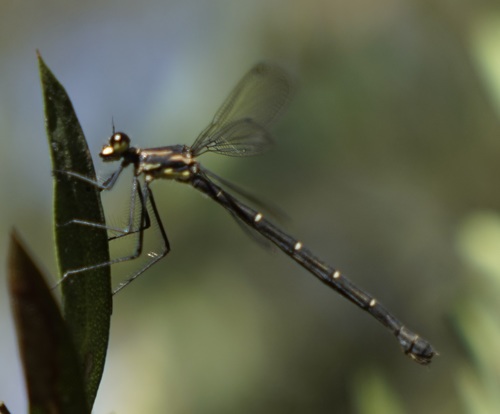
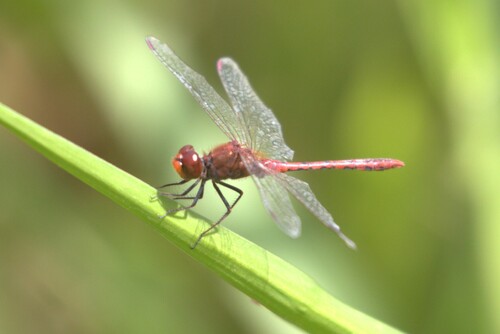
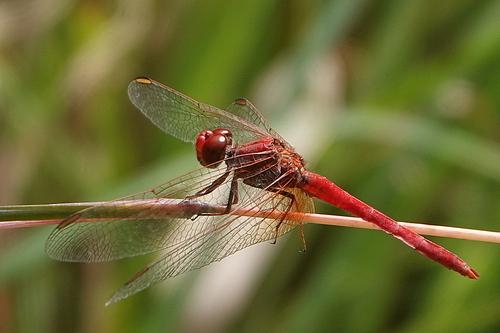
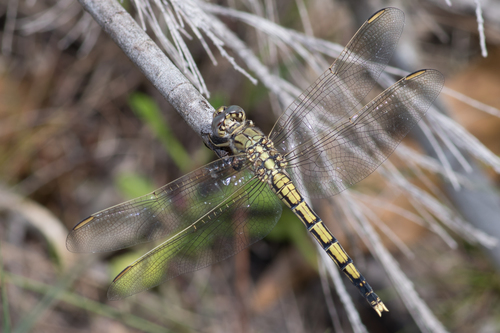
Southeastern Petaltail

Southeastern Petaltail

Petalura gigantea

Endemic
Daily sighting probability ~10% · With luck
at Blue Mountains National Park

In 3 days ~20% in a week ~40%

37 Verified sightings at Blue Mountains National Park From 2019 to 2026
43 In all 2 parks
December Best month
☀️ Diurnal When it's spotted

About the Southeastern Petaltail

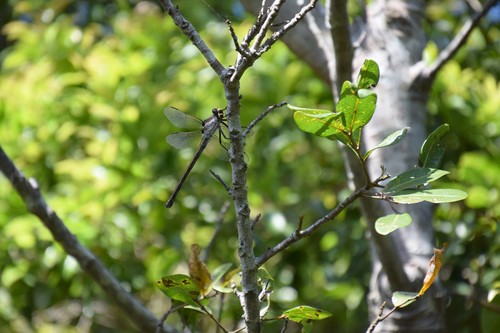
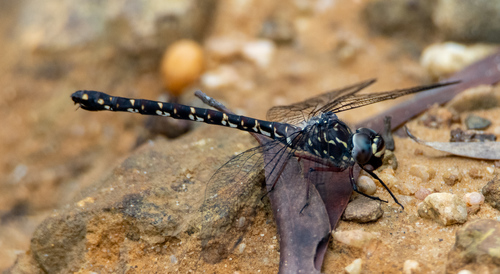
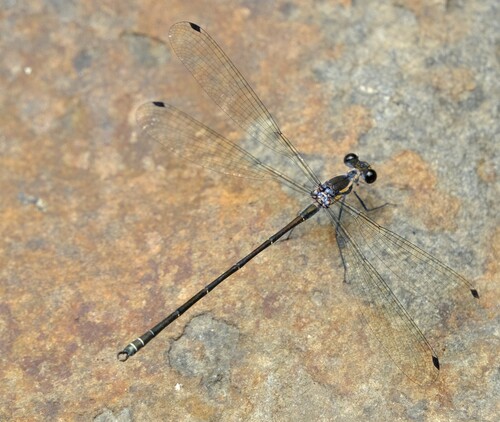
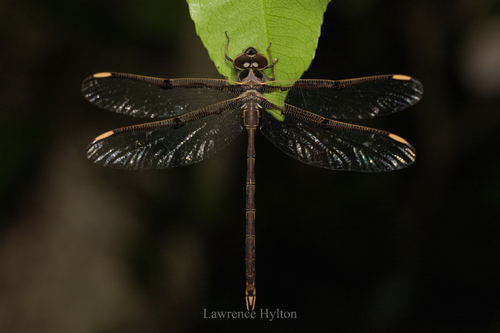
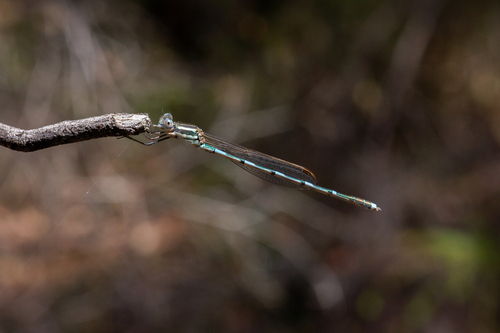
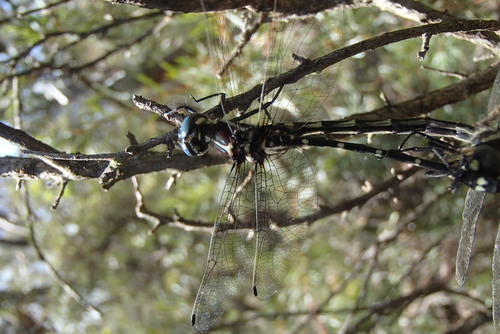
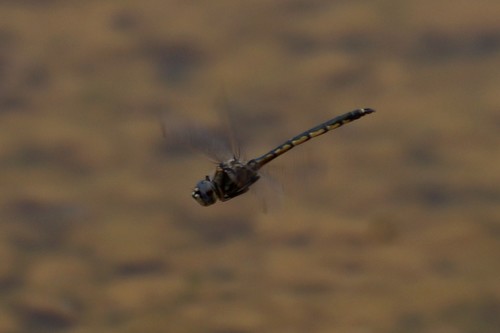
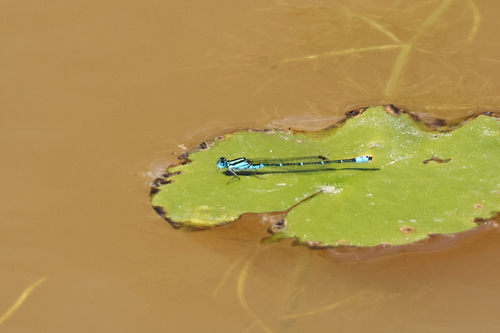
Petalura gigantea, the giant dragonfly or south-eastern petaltail, is a species of dragonfly in the family Petaluridae from southeastern Australia. Males have body length of 6–7.5 cm (2.4–3.0 in) and a wingspan up to 11 cm (4.3 in), while females have body length of 8–9 cm (3.1–3.5 in) and a wingspan up to 12.5 cm (4.9 in). This makes it a very large species of dragonfly, although it is exceeded by a few other species, including the closely related northeast Australian giant petaltail (P. ingentissima).

The giant dragonfly occurs along the east coast of New South Wales, ranging from the northern part of the state to the Victorian border region, and is not found west of the Great Dividing Range. There are known occurrences in the Blue Mountains and Southern Highlands, in the Clarence River catchment, and on a few coastal swamps from north of Grafton to Nadgee in the south. The giant dragonfly is listed as endangered under the New South Wales Threatened Species Conservation Act.

The giant dragonfly is unusual not only in size, but also in having predominantly terrestrial habits at the larval stage. It usually rests in sedges or shrubs while in mating and this usually occurs within a wetland area or an ecosystem based on peat (the accumulation of decayed vegetation or organic matter). Wikipedia →

Global Distribution

Parks Where Found

# Park Country Daily sighting probability
1 Booderee National Park 🇦🇺 Australia
~10%
2 Blue Mountains National Park 🇦🇺 Australia
~10%

Before you go

What are the chances of seeing a Southeastern Petaltail in Blue Mountains National Park?

With luck

About 10% of wildlife watchers report a Southeastern Petaltail sighting in Blue Mountains National Park on a given day, based on 37 verified sightings from GBIF citizen-science data from 2019 to 2026. It is the 181st most-seen of the 789 insects we can rate there. Over three days the chance rises to about 20%, and over a week to about 40%, if each day is a fresh chance.

When is the best time to see a Southeastern Petaltail in Blue Mountains National Park?

December

In that month about 20% of wildlife watchers report a Southeastern Petaltail in Blue Mountains National Park on a given day, against under 5% in March to October, the lowest months.

What time of day is best to see a Southeastern Petaltail?

Between 10 am and 1 pm

Across all the parks we cover, that three-hour window holds the most Southeastern Petaltail sightings with a recorded time, and about 9 in 10 of them come between 6 am and 6 pm: it is a daytime animal.

Is Blue Mountains National Park the best place to see a Southeastern Petaltail?

Among the best

Of the 2 parks where we can rate Southeastern Petaltail sightings, Blue Mountains National Park ranks 2nd at about 10%, level with the leaders once rounded. The best odds are in Booderee National Park (Australia, about 10%).

Which relatives of the Southeastern Petaltail live in Blue Mountains National Park?

Same order: Odonata

The closest relatives of the Southeastern Petaltail that you can see in Blue Mountains National Park (order Odonata, Dragonflies and Damselflies) are Sydney Mountain Darner (about 20%), Common Flatwing (about 20%) and Eastern Evening Darner (about 10%), with each one's daily chance of a sighting.

Where does the Southeastern Petaltail sighting chance come from?

GBIF citizen-science records

It is estimated from how often the Southeastern Petaltail is recorded against all the insects logged in Blue Mountains National Park (37 verified sightings from 2019 to 2026), calibrated against known sighting rates. Figures are rounded to the nearest 10% because citizen-science data supports honest approximations, not decimals, and months with records from fewer than five people show "—". How it works.

← Back to Blue Mountains National Park