




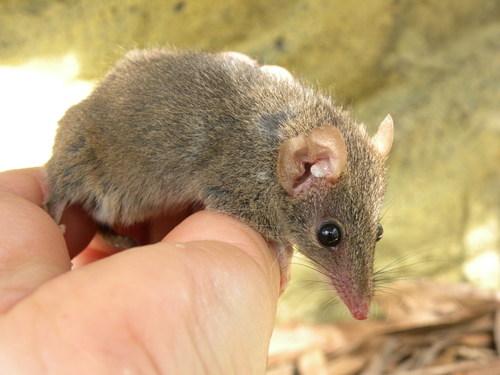




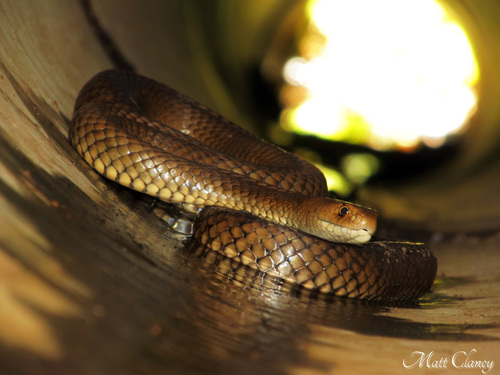


All 4 in 3 days here: ~20%
Booderee National Park
🇦🇺 Australia
Oceania, Australia 619 spp. recorded
Booderee National Park occupies a sheltered coastal corner of southeastern Australia, where dense temperate forest meets white sand and open ocean. This protected peninsula differs from neighboring reserves through its blend of tall eucalyptus stands, coastal heath, and quiet saltwater inlets, creating a mosaic of shaded woodlands and sunny shores.
-35.150° S 150.653° E
🦜 Nature

255 Species sighted
14,143 Verified sightings From 2019 to 2026
Mar Best month
⭐ Iconic Species
📊 Most Spotted
⭐ Iconic Species
📊 Most Spotted
⭐ Iconic Species
📊 Most Spotted
📊 Most Spotted
📊 Most Spotted
📊 Most Spotted
+ 466 more species with insufficient data
Challenges you can complete here
Recent sightings in Booderee National Park
LIVEiNaturalistSighting Calendar
How many species you'd see in a day
34Jan
31Feb
40Mar
32Apr
29May
27Jun
31Jul
33Aug
32Sep
35Oct
35Nov
39Dec
Sighting Zones
Warmer areas are where all species together are recorded most often.
-
Booderee Botanic Gardens
Daily sight. prob.vs avg Eastern Grey Kangaroo~90%+10%
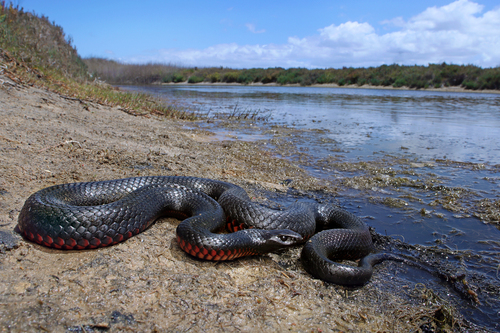
 Red-bellied Black Snake~80%+40%
 Eastern Yellow Robin~80%+20%
 Jacky Lashtail~80%+20%
 Carpet Python~70%+20%
 Eastern Spinebill~70%+10%
 New Holland Honeyeater~60%≈
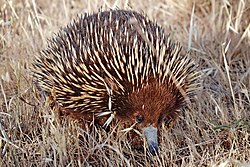 Short-beaked Echidna~60%+20%
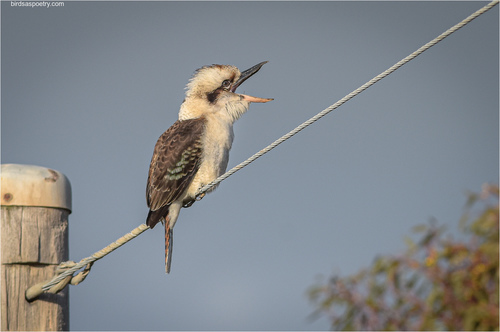
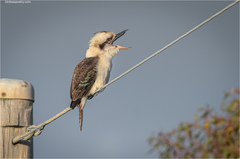 Laughing Kookaburra~60%≈
 Jervis Bay Treefrog~60%+40%
 Brown Thornbill~50%+10%
 Grey Fantail~50%≈
-
Cape St George Lighthouse
Daily sight. prob.vs avg- New Holland Honeyeater~90%+30%
- Jacky Lashtail~90%+30%
- Eastern Grey Kangaroo~80%≈
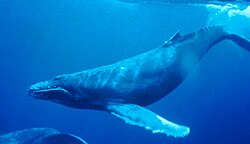 Humpback Whale~70%+50%
 Little Wattlebird~70%+10%
- Short-beaked Echidna~70%+30%
 Eastern Water Skink~70%+30%
- Carpet Python~60%≈
 Swamp Wallaby~60%≈
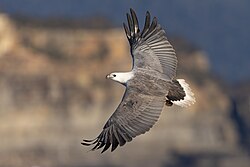 White-Bellied Sea-Eagle~50%+10%
 Common Death Adder~50%+30%
 Common Eastern Froglet~40%+20%
-
Murrays Beach
Daily sight. prob.vs avg- Swamp Wallaby~90%+30%
- Jacky Lashtail~80%+30%
- Eastern Grey Kangaroo~80%≈
- Carpet Python~60%+10%
- Eastern Yellow Robin~60%≈
- New Holland Honeyeater~60%≈
 Green Sea Turtle~50%+40%
- Short-beaked Echidna~50%+10%
- Common Death Adder~50%+30%
- Eastern Water Skink~50%+20%
- Red-bellied Black Snake~50%+10%
 Pied Currawong~50%+10%
-
Iluka
Daily sight. prob.vs avg -
Sussex Inlet
Daily sight. prob.vs avg


🏕️ Experience
Essentials
Entrance
Paid
Tourism
Medium
Typical stay
1–2
daysTrails
Easy
World Heritage
No
Climate
Temp °C Rain mm
JanFebMarAprMayJunJulAugSepOctNovDec
0.0 Good
Wallace's Line Score
How good is this park for seeing wildlife? 🦜
Biodiversity
ExcellentHow rich is the wildlife?
4.7
Species by taxon
🦅 Birds 415
🐒 Mammals 113
🦎 Reptiles 63
🐸 Amphibians 28
619 Total Species
828 Global average across 316 parks
51 Threatened 256 Endemic
🔭
Sighting
Very goodHow likely to see animals?
3.3
🎯
Top-12 Avg Probability
59% 📊
Coverage (160 species at ≥5% of 619 in the inventory)
26% 🔀
Taxon variety in top 12 (8 bird, 2 mammal, 2 reptile)
67% 🔭
Species per 10 outings (distinct species a visitor would meet over 10 outings — effort held equal across parks)
84 🌟
Iconic-group species (≥15%) (every species from the 19 iconic groups — monkeys, cats, toucans, macaws, sloths, crocodilians… — not just the 4 highlighted above)
13 ⭐
High-prob species (>40%)
22 🏕️
Experience
Very goodHow easy and pleasant is the visit?
3.6
Climate Mixed Medium
Entrance Paid Low
Tourism High Low
Trails Easy High
World Heritage No —
What visitors say
We immediately saw large burrows excavated here and there, and a lone Bare-nosed Wombat was munching on grass out in the field.
In the evening we also saw an Australian possum (voskoesoe) scurrying by.
It was over 2 years ago that we visited Cave Beach in the Booderee National Park (see details on that visit in the post here).
Before you go
What animals can you see in Booderee National Park?
619 species
Booderee National Park has 619 recorded vertebrate species. The ones wildlife watchers report most often on a given day are Eastern Grey Kangaroo (about 80%), Coconut Lorikeet (about 70%), New Holland Honeyeater (about 60%), Laughing Kookaburra (about 60%) and Eastern Yellow Robin (about 60%). Among reptiles, the most-seen is Jacky Lashtail (about 50%); among amphibians, Peron's Tree Frog (about 40%).
When is the best time to visit Booderee National Park for wildlife?
March
In that month the park's 12 most-seen species average about 70% on a given day, against about 50% in May and August–September. That is one of Booderee National Park's wettest months, with about 150 mm of rain against 60 mm in September.
Can you see a White-Bellied Sea-Eagle in Booderee National Park?
Yes
About 40% of wildlife watchers report a White-Bellied Sea-Eagle sighting in Booderee National Park on a given day, based on 305 verified sightings from GBIF citizen-science data from 2019 to 2026. The best time is April–July and October (about 50%).
Can you see an Eastern Grey Kangaroo in Booderee National Park?
Yes
About 80% of wildlife watchers report an Eastern Grey Kangaroo sighting in Booderee National Park on a given day, based on 202 verified sightings from GBIF citizen-science data from 2019 to 2026. The best time is December to July (about 80%).
Can you see a Coconut Lorikeet in Booderee National Park?
Yes
About 70% of wildlife watchers report a Coconut Lorikeet sighting in Booderee National Park on a given day, based on 439 verified sightings from GBIF citizen-science data from 2019 to 2026. The best time is January and April (about 80%).
Can you see a Spotted Pardalote in Booderee National Park?
Yes
About 30% of wildlife watchers report a Spotted Pardalote sighting in Booderee National Park on a given day, based on 161 verified sightings from GBIF citizen-science data from 2019 to 2026. The best time is March (about 50%).
Where in Booderee National Park is wildlife easiest to see?
Around Booderee Botanic Gardens
The richest sighting zone is around Booderee Botanic Gardens, followed by Cape St George Lighthouse and Murrays Beach, ranked by how many of the park's headline animals visitors can expect to see in each. See the zones on the map.
Is Booderee National Park good for wildlife watching?
3.7 out of 5
On the Wallace's Line Score, Booderee National Park rates 3.7/5: 147th of 316 parks worldwide and 9th in Oceania. 27 of its species are reported by about 40% or more of wildlife watchers on a given day.


