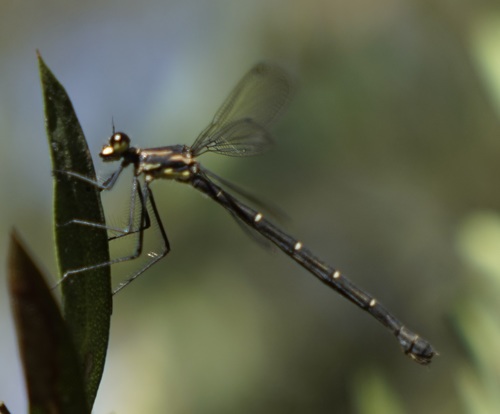
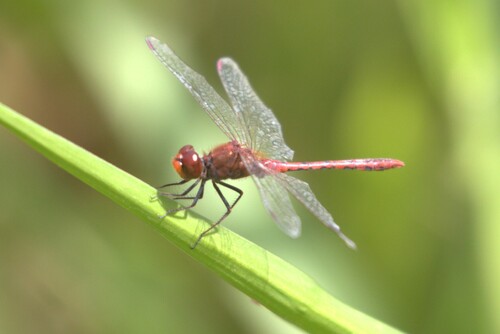
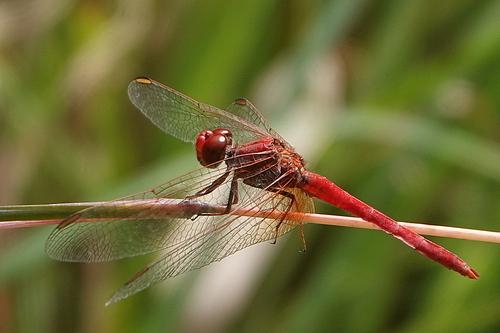
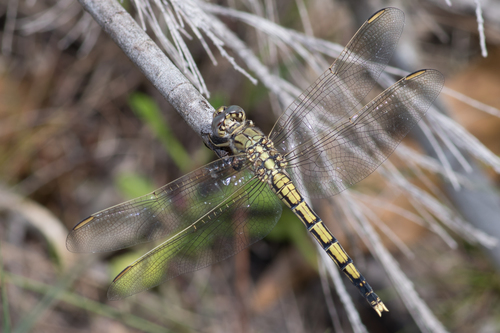
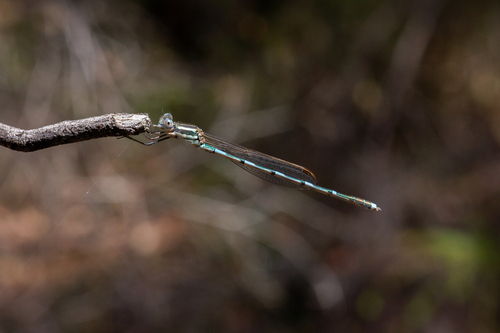
Southern Giant Darner

Southern Giant Darner

Austrophlebia costalis

Daily sighting probability <5% · Rare
at Blue Mountains National Park

In 3 days ~10% in a week ~30%

6 Verified sightings at Blue Mountains National Park From 2019 to 2026
19 In all 3 parks
December Best month
☀️ Diurnal When it's spotted

About the Southern Giant Darner

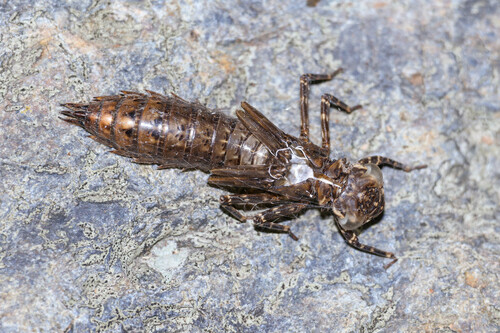
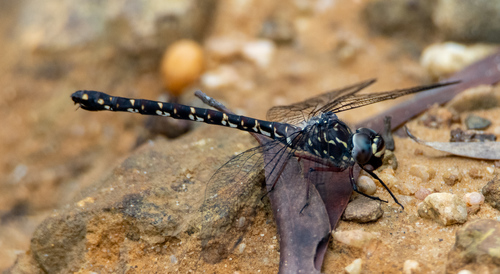
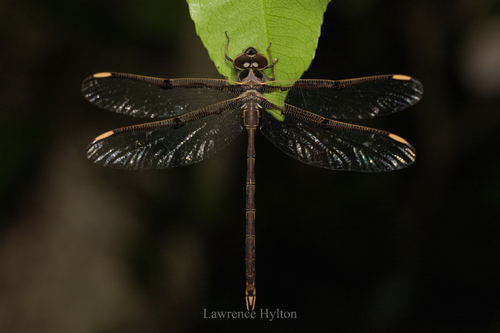
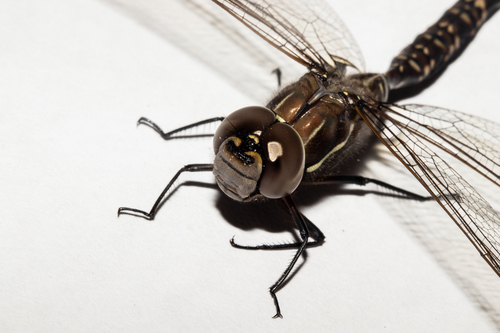
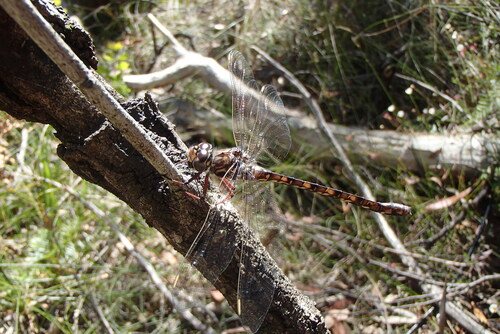
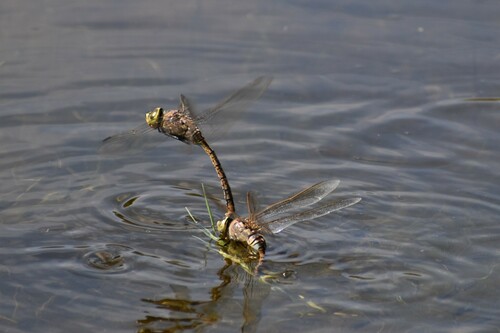
Austrophlebia costalis, the southern giant darner, is a species of dragonfly in the family Aeshnidae endemic to eastern Australia. Austrophlebia costalis is an enormous dark dragonfly with strong yellow markings on its body and a brown band along the leading edge of its wings.

It inhabits streams and may be found on logs in shady areas. This species is believed to be one of the fastest flying odonates, with an old reference claiming to have clocked one at nearly 60 miles per hour (97 km/h) but no modern confirmation.

The genus name Austrophlebia combines austro- (Latin auster, “southern”) with -phlebia, from Greek φλέψ (phleps, “vein”), reflecting its relationship to Telephlebia and Austroaeschna. The species name costalis is derived from the Latin costa ("rib") and the suffix -alis ("pertaining to"), referring to the distinctive russet-brown colouring alongside the costa, the leading longitudinal vein of the wing.

List of Odonata species of Australia Wikipedia →

Global Distribution

Parks Where Found

# Park Country Daily sighting probability
1 Lamington National Park 🇦🇺 Australia
~10%
2 Springbrook National Park 🇦🇺 Australia
~10%
3 Blue Mountains National Park 🇦🇺 Australia
<5%

Before you go

What are the chances of seeing a Southern Giant Darner in Blue Mountains National Park?

Rare

Under 5% of wildlife watchers report a Southern Giant Darner sighting in Blue Mountains National Park on a given day, based on 6 verified sightings from GBIF citizen-science data from 2019 to 2026. It is the 611th most-seen of the 789 insects we can rate there. Over three days the chance rises to about 10%, and over a week to about 30%, if each day is a fresh chance.

When is the best time to see a Southern Giant Darner in Blue Mountains National Park?

November and December

In those months about 10% of wildlife watchers report a Southern Giant Darner in Blue Mountains National Park on a given day, against under 5% in January to October, the lowest months.

What time of day is best to see a Southern Giant Darner?

Between 1 and 4 pm

Across all the parks we cover, that three-hour window holds the most Southern Giant Darner sightings with a recorded time, and about 9 in 10 of them come between 6 am and 6 pm: it is a daytime animal.

Is Blue Mountains National Park the best place to see a Southern Giant Darner?

3rd of 3

Of the 3 parks where we can rate Southern Giant Darner sightings, Blue Mountains National Park ranks 3rd at under 5%. The best odds are in Lamington National Park (Australia, about 10%) and Springbrook National Park (Australia, about 10%).

Which relatives of the Southern Giant Darner live in Blue Mountains National Park?

Same family: Aeshnidae

The closest relatives of the Southern Giant Darner that you can see in Blue Mountains National Park (family Aeshnidae, Darners) are Sydney Mountain Darner (about 20%), Eastern Evening Darner (about 10%) and Blue-Spotted Hawker (about 10%), with each one's daily chance of a sighting.

Where does the Southern Giant Darner sighting chance come from?

GBIF citizen-science records

It is estimated from how often the Southern Giant Darner is recorded against all the insects logged in Blue Mountains National Park (6 verified sightings from 2019 to 2026), calibrated against known sighting rates. Figures are rounded to the nearest 10% because citizen-science data supports honest approximations, not decimals, and months with records from fewer than five people show "—". How it works.

← Back to Blue Mountains National Park