Pine Sawfly

Pine Sawfly

Diprion pini

Daily sighting probability ~10% · With luck
at Cairngorms National Park

In 3 days ~20% in a week ~30%

7 Verified sightings at Cairngorms National Park From 2019 to 2026
7 In 1 park
August Best month
☀️ Diurnal When it's spotted

About the Pine Sawfly

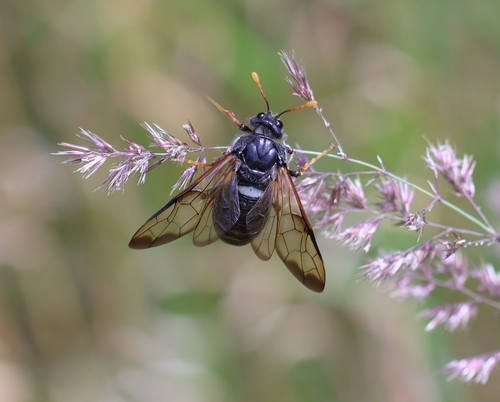
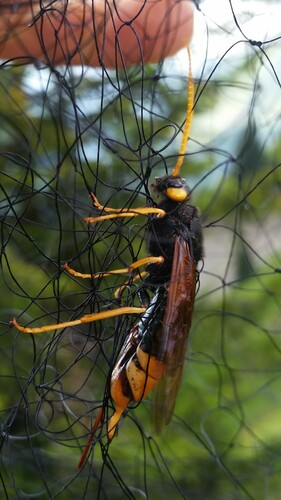
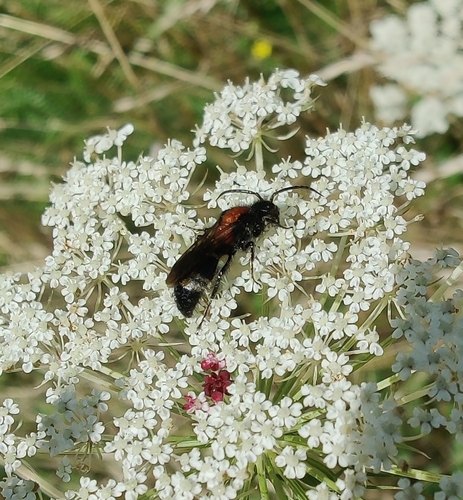
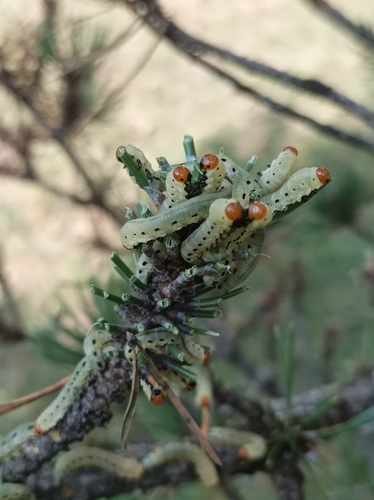
The common pine sawfly, Diprion pini, is a sawfly species in the family Diprionidae. The adult male is dark brown or black with comb-like antennae; the female is striped black and yellow. The female lays some 100–150 eggs on pine needles. The caterpillars are yellow-green, gregarious, and feed on pine needles. The next generation of adults can emerge from pupae the same year, or the pupae can go into diapause for a year or more. The species is widespread throughout Europe and Russia.

The insect is a serious pest of economic forestry, capable of defoliating large areas of pine forest. The Scots pine, Pinus sylvestris, is the main host but other pine species are also attacked. Since the species grazes until late autumn, weakened trees often die in winter. Control involves aerial spraying of insecticides, or biological control with parasitoid wasps. The species was first described by Carl Linnaeus.

The adult (imago) is 7–10 millimetres (0.28–0.39 in) long. The body is arched, with 26-segment antennae. The species is sexually dimorphic. The male is slightly smaller than the female, and has different coloration. Males are black-brown or black, with pectinate (comb-like... Wikipedia →
Global Distribution

Parks Where Found

# Park Country Daily sighting probability
1 Cairngorms National Park 🇬🇧 United Kingdom
~10%

More parks will be added in future updates.

Before you go

What are the chances of seeing a Pine Sawfly in Cairngorms National Park?

With luck

About 10% of wildlife watchers report a Pine Sawfly sighting in Cairngorms National Park on a given day, based on 7 verified sightings from GBIF citizen-science data from 2019 to 2026. It is the 241st most-seen of the 300 insects we can rate there. Over three days the chance rises to about 20%, and over a week to about 30%, if each day is a fresh chance.

When is the best time to see a Pine Sawfly in Cairngorms National Park?

August

In that month about 20% of wildlife watchers report a Pine Sawfly in Cairngorms National Park on a given day, against under 5% in October to July, the lowest months.

What time of day is best to see a Pine Sawfly?

Between 1 and 4 pm

Across all the parks we cover, that three-hour window holds the most Pine Sawfly sightings with a recorded time, and nearly all of them come between 6 am and 6 pm: it is a daytime animal.

Where else can you see a Pine Sawfly?

Only Cairngorms National Park, in our data

Cairngorms National Park is the only park on Wallace's Line with enough records to rate Pine Sawfly sightings: about 10% of wildlife watchers there report one on a given day.

Which relatives of the Pine Sawfly live in Cairngorms National Park?

Same order: Hymenoptera

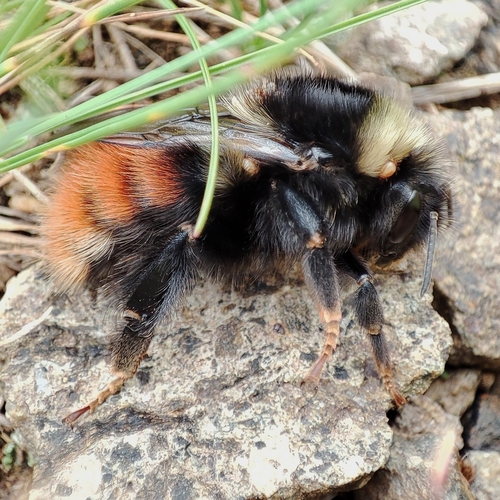
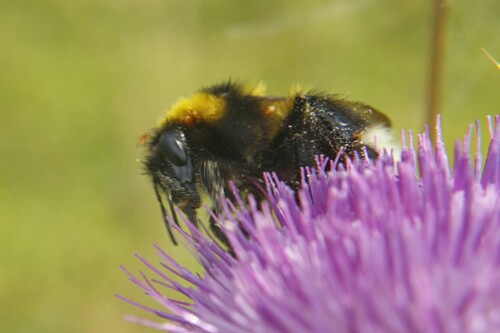
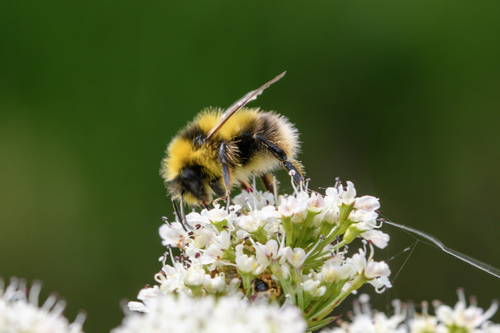
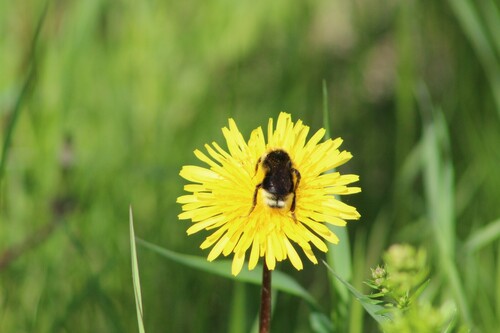
The closest relatives of the Pine Sawfly that you can see in Cairngorms National Park (order Hymenoptera, Ants, Bees, Wasps, and Sawflies) are Mountain Bumble Bee (about 30%), Common Carder Bumble Bee (about 20%) and Early Bumble Bee (about 20%), with each one's daily chance of a sighting.

Where does the Pine Sawfly sighting chance come from?

GBIF citizen-science records

It is estimated from how often the Pine Sawfly is recorded against all the insects logged in Cairngorms National Park (7 verified sightings from 2019 to 2026), calibrated against known sighting rates. Figures are rounded to the nearest 10% because citizen-science data supports honest approximations, not decimals, and months with records from fewer than five people show "—". How it works.

← Back to Cairngorms National Park