Zoo
Affen- und Vogelpark Eckenhagen
🇩🇪 Germany
🦒 Zoo or wildlife park, Germany 12 spp. present
zoo
50.997° N 7.692° E
🎟️ Visit

Essentials
Entrance
Paid
Tourism
Medium
Species present
12
speciesOpened
—
Size
Medium
Visit
Opening hours
Every day · 9:00–19:00
Getting there
- Address
- Am Bromberg 6, 51580 Reichshof
- Phone
- +49 2265 8786
- Access
- Partly wheelchair accessible
What visitors say
🦒 Animals in captivity


Before you go
Where is Affen- und Vogelpark Eckenhagen?
Germany
Affen- und Vogelpark Eckenhagen is a zoo or wildlife park in Germany, at Am Bromberg 6, 51580 Reichshof. Its coordinates are 50.997° N, 7.692° E. The nearest national park in our atlas is Wadden Sea National Park, about 304 km away.
What animals can you see at Affen- und Vogelpark Eckenhagen?
12 species
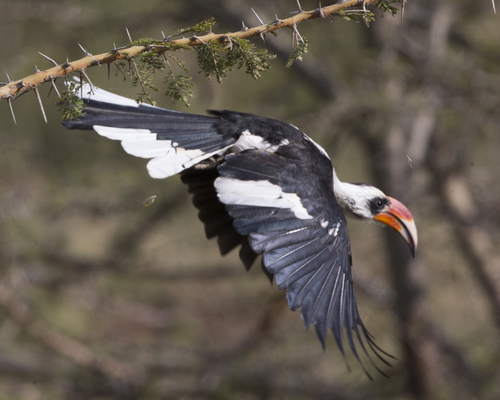
Citizen-science photos record 12 species at Affen- und Vogelpark Eckenhagen, including Von der Decken's Hornbill, Common Peafowl, Lilac-breasted Roller, Ringed Teal and Island Canary. Those with a page of their own in our atlas show the odds of seeing them in the wild.
Where can you see the animals of Affen- und Vogelpark Eckenhagen in the wild?
Von der Decken's Hornbill: Tarangire National Park
Some of the animals photographed at Affen- und Vogelpark Eckenhagen also live in the parks and cities we cover: Von der Decken's Hornbill (about 70% of wildlife watchers report it on a given day in Tarangire National Park), Common Peafowl (about 90% of wildlife watchers report it on a given day in Udawalawe National Park) and Lilac-breasted Roller (about 90% of wildlife watchers report it on a given day in Tarangire National Park).
Does Affen- und Vogelpark Eckenhagen charge an entrance fee?
Yes, it is paid
The open map data for Affen- und Vogelpark Eckenhagen lists it as a paid-entry attraction. It does not include ticket prices or any change since it was last edited, so check the official website before you go.
When is Affen- und Vogelpark Eckenhagen open?
Every day · 9:00–19:00
According to its open map listing, Affen- und Vogelpark Eckenhagen is open Every day · 9:00–19:00. Opening hours change with the season and on public holidays, so confirm them on the official website before you travel.
When did Affen- und Vogelpark Eckenhagen open and how big is it?
10 ha
Affen- und Vogelpark Eckenhagen, a zoo or wildlife park in Germany, covers about 10 ha, according to Wikidata and OpenStreetMap. Today 12 species are photographed there.
Nearest Zoos & Centres


Nearest Parks


Nearest Cities


Sources: © OpenStreetMap contributors (ODbL) · Wikidata (CC0) · iNaturalist observers