Zoo
Western North Carolina Nature Center
🇺🇸 United States
🦒 Zoo or wildlife park, United States 39 spp. present
The Western North Carolina Nature Center is a 42-acre (17 ha) zoological park in Western North Carolina operated by the City of Asheville. It was originally opened in 1925 and known as Recreation Park Zoo, Craig Park Zoo, and Asheville City Zoo and housed a wide variety of native and non-native wildlife. Wikipedia (CC BY-SA)
35.580° N 82.494° W
🎟️ Visit

Essentials
Entrance
—
Tourism
High
Species present
39
speciesOpened
1973
Size
Medium
Visit
Getting there
What visitors say
🦒 Animals in captivity




Before you go
Where is Western North Carolina Nature Center?
United States
Western North Carolina Nature Center is a zoo or wildlife park in the United States. Its coordinates are 35.580° N, 82.494° W. The nearest national park in our atlas is Great Smoky Mountains National Park, about 103 km away.
What animals can you see at Western North Carolina Nature Center?
39 species
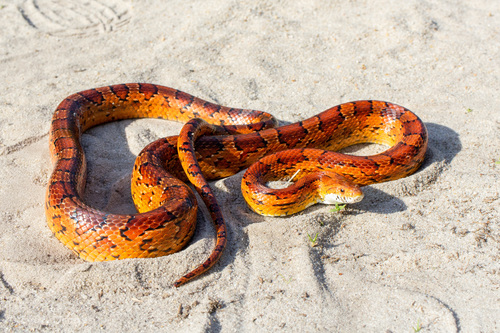
Citizen-science photos record 39 species at Western North Carolina Nature Center, including American Black Bear, Mountain Lion, Northern River Otter, Bobcat and Gray Fox. Those with a page of their own in our atlas show the odds of seeing them in the wild.
Where can you see the animals of Western North Carolina Nature Center in the wild?
American Black Bear: Great Smoky Mountains National Park
Some of the animals photographed at Western North Carolina Nature Center also live in the parks and cities we cover: American Black Bear (about 80% of wildlife watchers report it on a given day in Great Smoky Mountains National Park), Mountain Lion (about 60% of wildlife watchers report it on a given day in Torres del Paine National Park) and Northern River Otter (about 40% of wildlife watchers report it on a given day in Isle Royale National Park).
When did Western North Carolina Nature Center open and how big is it?
Opened 1973, 12 ha
Western North Carolina Nature Center, a zoo or wildlife park in the United States, opened in 1973 and covers about 12 ha, according to Wikidata and OpenStreetMap. Today 39 species are photographed there.
Nearest Zoos & Centres


Nearest Parks


Nearest Cities


Sources: © OpenStreetMap contributors (ODbL) · Wikidata (CC0) · iNaturalist observers · Wikipedia (CC BY-SA)