






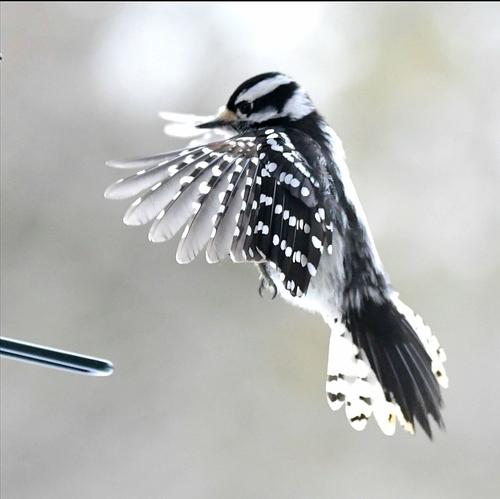





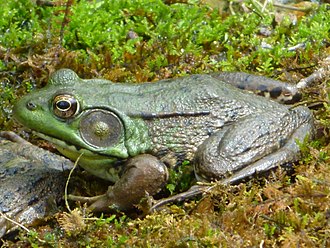

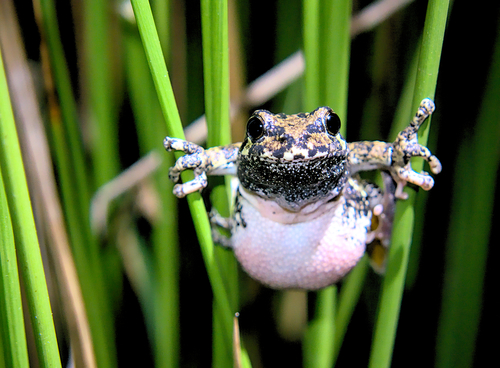





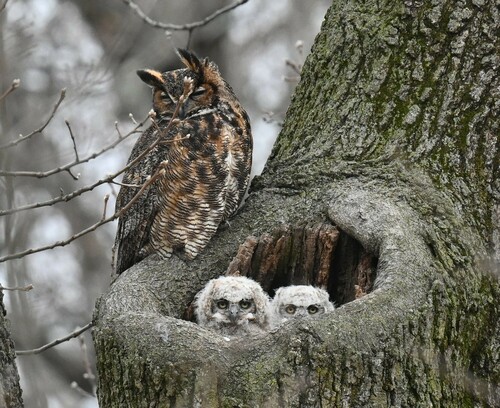


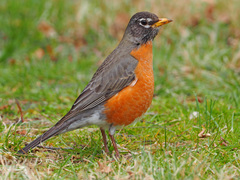
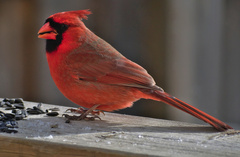


All 4 in 3 days here: >90%
City
Detroit
🇺🇸 United States
North America, United States 288 spp. recorded
Detroit is the most populous city in the U.S. It is situated on the bank of the Detroit River across from the Canadian city of Windsor, Ontario. The county seat of Wayne County, Detroit is a significant cultural center known for its contributions to music, art, architecture, and design, in addition to its historical automotive and industrial background. Wikipedia
42.406° N 83.141° W
🦜 Nature

288 Species sighted
209,896 Verified sightings From 2019 to 2026
Jul Best month
⭐ Iconic Species
📊 Most Spotted
📊 Most Spotted
⭐ Iconic Species
📊 Most Spotted
📊 Most Spotted

LC
 Spiny Softshell Turtle
Apalone spinifera
LC
 River Cooter
Pseudemys concinna

LC
 Eastern Foxsnake
Pantherophis vulpinus

LC
 Brown Anole
Anolis sagrei

LC
 Mediterranean House Gecko
Hemidactylus turcicus
📊 Most Spotted

LC
 Spring Peeper
Pseudacris crucifer

LC
 Eastern Red-backed Salamander
Plethodon cinereus

LC
Western Chorus Frog
Pseudacris triseriata

LC
 Eastern Newt
Notophthalmus viridescens

LC
 Mudpuppy
Necturus maculosus
📊 Most Spotted
🌙 Most active after dark

LC
 Snow Goose
Anser caerulescens
LC
Mediterranean House Gecko
Hemidactylus turcicus
Challenges you can complete here

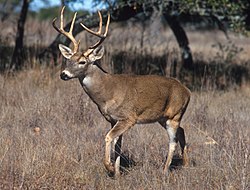


All 3 in 3 days here: ~40%





All 6 in 3 days here: ~10%


All 4 in 3 days here: <5%
Recent sightings in Detroit
LIVEiNaturalistWhere to look
Warmer areas are where all species together are recorded most often.
-
Red Oaks Nature Center (Friendship Woods)
-
UM Dearborn/Rouge River Bird Observatory
-
General Motors Technical Center
-
Normandy Oaks Park
-
Joseph Delia Park
-
Campus Martius Park


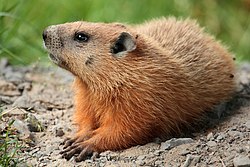


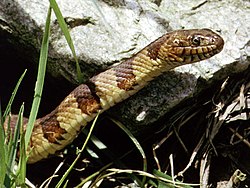

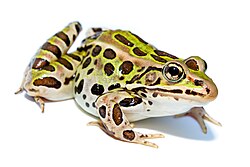


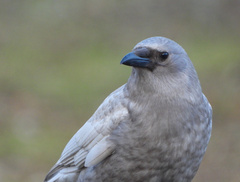


Sighting Calendar
How many species you'd see in a day
20Jan
21Feb
23Mar
32Apr
42May
42Jun
45Jul
45Aug
44Sep
35Oct
24Nov
22Dec
🏙️ City
Essentials
Green cover
High
Protected land
0.2%
Protected sea
—
Protected areas
31
areasWildlife spots
12
spotsZoos & centres
1
placesClimate
Continental
World Heritage
No
Climate
Temp °C Rain mm
JanFebMarAprMayJunJulAugSepOctNovDec
Zoos & rescue centres

0.0 Excellent
Wallace's Line Score
How good is this city for seeing wildlife? 🦜
Biodiversity
ExcellentHow rich is the wildlife?
4.7
Species by taxon
🦅 Birds 588
🐒 Mammals 65
🦎 Reptiles 36
🐸 Amphibians 27
716 Total Species
679 Global average across 380 cities
50 Threatened 7 Endemic
🔭
Sighting
Very goodHow likely to see animals?
4.0
🎯
Top-12 Avg Probability
67% 📊
Coverage (103 species at ≥5% of 716 in the inventory)
14% 🔀
Taxon variety in top 12 (11 bird, 1 mammal)
20% 🌟
Iconic-group species (≥15%) (every species from the 19 iconic groups — monkeys, cats, toucans, macaws, sloths, crocodilians… — not just the 4 highlighted above)
1 ⭐
High-prob species (>40%)
18 🏕️
Experience
ExcellentHow easy and pleasant is the visit?
4.0
Climate Mixed Medium
Green cover High High
Protected land & sea 0.2% land Low
Protected areas 31 High
Wildlife spots 12 High
Zoos & centres 1 Medium
What visitors say
Before you go
What animals can you see in Detroit?
288 species
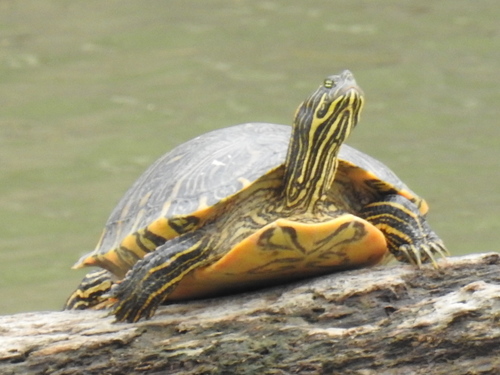
Detroit's urban area has 288 recorded vertebrate species. The ones wildlife watchers report most often on a given day are American Robin (about 90%), Northern Cardinal (about 80%), Blue Jay (about 80%), House Sparrow (about 80%) and Mourning Dove (about 70%). Among mammals, the most-seen is Eastern Gray Squirrel (about 60%); among reptiles, Painted Turtle (about 30%); among amphibians, American Toad (about 40%).
When is the best time to see wildlife in Detroit?
March to May
In those months the city's 12 most-seen species average about 70% on a given day, against about 60% in June to February.
Can you see a Blue Jay in Detroit?
Yes
About 80% of wildlife watchers report a Blue Jay sighting in Detroit on a given day, based on 10,622 verified sightings from GBIF citizen-science data from 2019 to 2026. The best time is May and September–November (about 90%).
Can you see a Northern Cardinal in Detroit?
Yes
About 80% of wildlife watchers report a Northern Cardinal sighting in Detroit on a given day, based on 10,981 verified sightings from GBIF citizen-science data from 2019 to 2026. The best time is April and May (about 90%).
Can you see an American Robin in Detroit?
Yes
About 90% of wildlife watchers report an American Robin sighting in Detroit on a given day, based on 11,378 verified sightings from GBIF citizen-science data from 2019 to 2026. The best time is April to June (over 90%).
Where in Detroit is wildlife easiest to see?
Red Oaks Nature Center (Friendship Woods)
The spot where most wildlife watchers record their sightings is Red Oaks Nature Center (Friendship Woods) (148 bird species recorded), followed by Detroit Zoo and UM Dearborn/Rouge River Bird Observatory. See them on the map.
Is Detroit good for wildlife watching?
4.2 out of 5
On the Wallace's Line Score, which rates each city against other cities, Detroit gets 4.2/5: 175th of 380 cities worldwide and 23rd in North America. 21 of its species are reported by about 40% or more of wildlife watchers on a given day.
Nearest Cities


Nearest Parks


Nearest Zoos & Centres


Sources: urban area GHSL Urban Centre Database R2024A, European Commission JRC (CC BY 4.0) · protected land WDPA, UNEP-WCMC & IUCN (via GHSL) · climate NASA POWER · wildlife GBIF.org citizen-science data