Zoo
Wingham Wildlife Park
🇬🇧 United Kingdom
🦒 Zoo or wildlife park, United Kingdom 17 spp. present
Wingham Wildlife Park is a medium-sized wildlife park situated near Wingham, Kent, United Kingdom where it covers an area of 26 acres (13 acres of animal housing area and a further 13 acres of car parking and overflow). In 2011, the species count at the park reached 180 species, growing to over 200 in 2013 covering fish, mammals, reptiles, amphibians, invertebrates and birds. Wikipedia (CC BY-SA)
51.280° N 1.228° E
🎟️ Visit

Essentials
Entrance
Paid
Tourism
High
Species present
17
speciesOpened
1986
Size
Medium
Visit
Getting there
- Address
- Rusham Road, CT3 1JL
- Phone
- +44 1227 720836
What visitors say
🦒 Animals in captivity



Before you go
Where is Wingham Wildlife Park?
United Kingdom
Wingham Wildlife Park is a zoo or wildlife park in the United Kingdom, at Rusham Road, CT3 1JL. Its coordinates are 51.280° N, 1.228° E. The nearest national park in our atlas is Snowdonia National Park, about 385 km away.
What animals can you see at Wingham Wildlife Park?
17 species
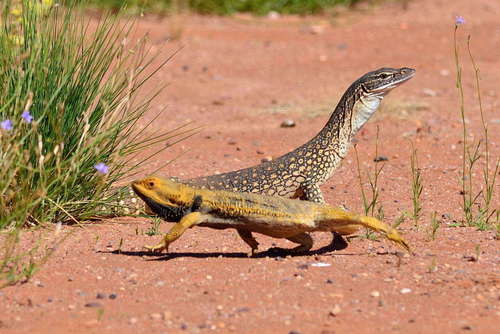
Citizen-science photos record 17 species at Wingham Wildlife Park, including Chilean Flamingo, Coconut Lorikeet, Golden Pheasant, Humboldt Penguin and Great White Pelican. Those with a page of their own in our atlas show the odds of seeing them in the wild.
Where can you see the animals of Wingham Wildlife Park in the wild?
Chilean Flamingo: Lauca National Park
Some of the animals photographed at Wingham Wildlife Park also live in the parks and cities we cover: Chilean Flamingo (about 50% of wildlife watchers report it on a given day in Lauca National Park), Coconut Lorikeet (about 70% of wildlife watchers report it on a given day in Noosa National Park) and Great White Pelican (about 80% of wildlife watchers report it on a given day in Lake Nakuru National Park).
Does Wingham Wildlife Park charge an entrance fee?
Yes, it is paid
The open map data for Wingham Wildlife Park lists it as a paid-entry attraction. It does not include ticket prices or any change since it was last edited, so check the official website before you go.
When did Wingham Wildlife Park open and how big is it?
Opened 1986, 13 ha
Wingham Wildlife Park, a zoo or wildlife park in the United Kingdom, opened in 1986 and covers about 13 ha, according to Wikidata and OpenStreetMap. Today 17 species are photographed there.
Nearest Zoos & Centres


Nearest Parks


Nearest Cities


Sources: © OpenStreetMap contributors (ODbL) · Wikidata (CC0) · iNaturalist observers · Wikipedia (CC BY-SA) · the centre's official website