Privet Tortrix

Privet Tortrix

Clepsis consimilana

Daily sighting probability ~10% · With luck
at Cévennes National Park

In 3 days ~30% in a week ~50%

30 Verified sightings at Cévennes National Park From 2019 to 2026
49 In all 3 parks
June Best month
🌙 Nocturnal When it's spotted

About the Privet Tortrix

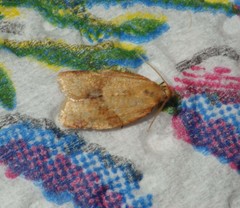
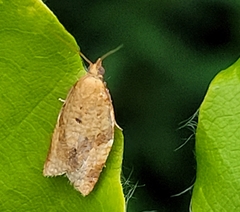
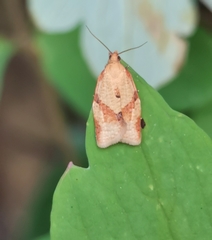
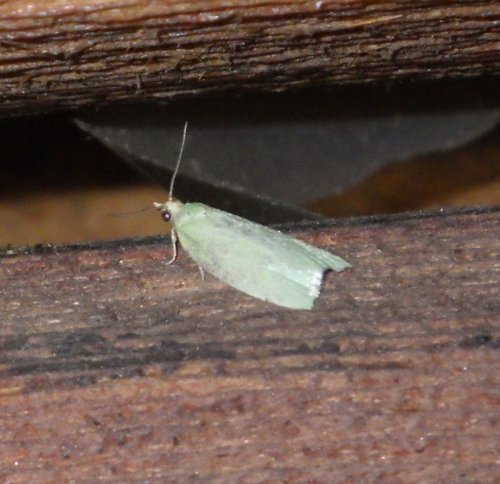
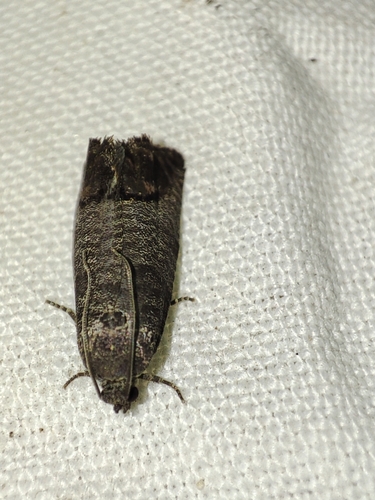
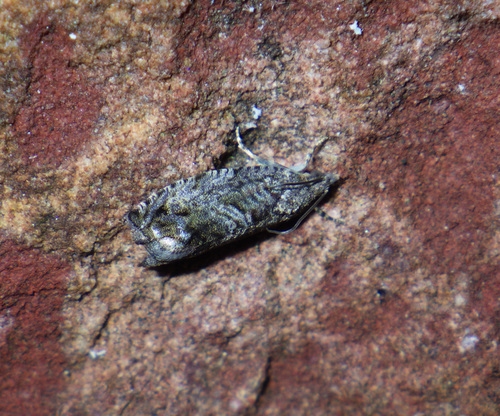
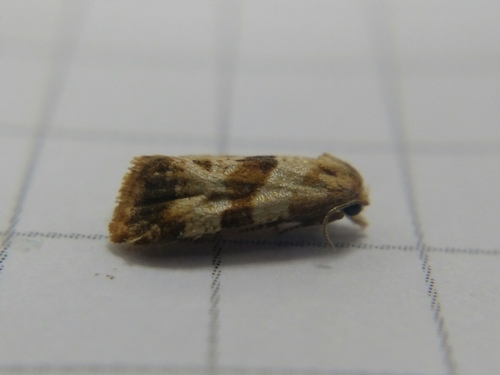
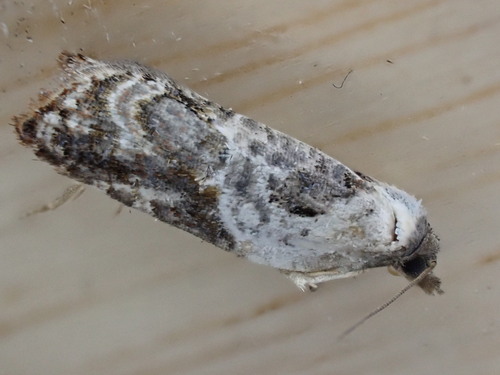
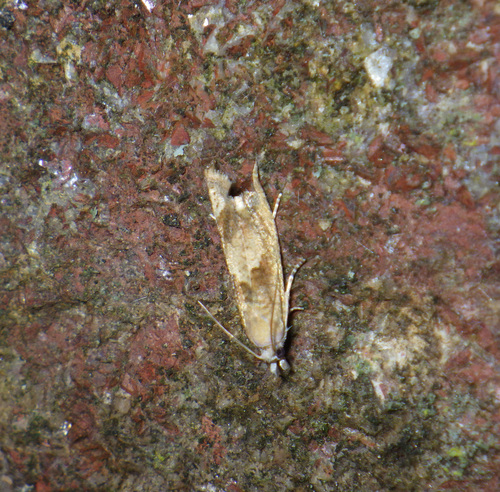
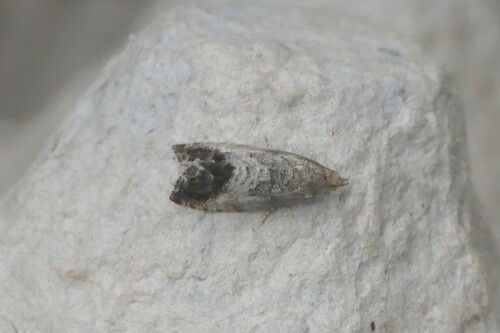
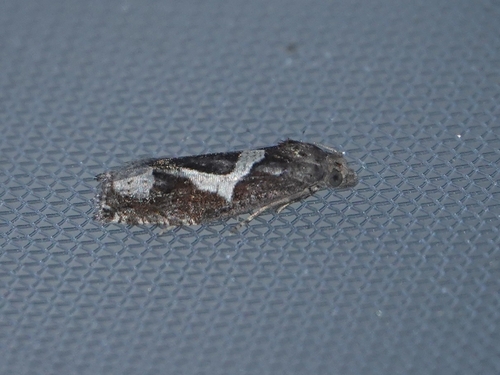
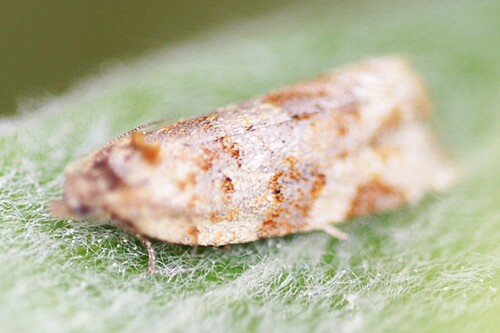
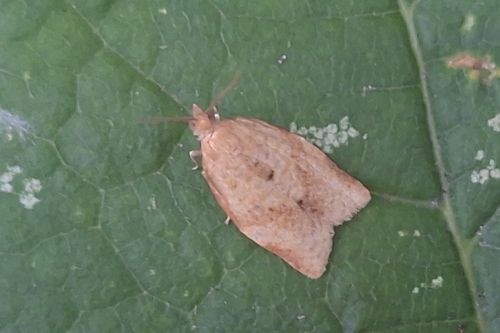
Clepsis consimilana, the privet tortrix, is a moth of the family Tortricidae. This species is present from Europe to Asia Minor and Syria, it is also found in North Africa and the eastern United States. Clepsis consimilana has a wingspan of 13–19 mm. The forewings are reddish-brown, with dark brown markings and two small dark spots on the hind edge. The females are more indistinctly marked on the forewings than the males. Hindwings are brownish grey. Larvae are violet green or violet grey, with pale brown head.

Adults are on wing from June to September. They are active in afternoon and evening, and comes to light. The larvae feed on various trees, including Ligustrum species. They apparently prefer dead leaves. Other recorded food plants include Syringa, Hedera, Lonicera, Polygonum, Malus, Carpinus, Crataegus and Cotoneaster species. Pupation occurs in the larval feeding place. In September usually a partial second generation takes place and in the third instar these moths hibernate.

Lepiforum.de European Lepidopteres Norfolk Moths Wikipedia →
Global Distribution

Parks Where Found

# Park Country Daily sighting probability
1 Cévennes National Park 🇫🇷 France
~10%
2 Bavarian Forest National Park 🇩🇪 Germany
~10%
3 Wadden Sea National Park 🇩🇪 Germany
<5%

Cities Where Found

# City Country Daily sighting probability
1 Liverpool 🇬🇧 United Kingdom
~10%
2 London 🇬🇧 United Kingdom
~10%
3 Leeds 🇬🇧 United Kingdom
~10%
4 Seattle 🇺🇸 United States
~10%
5 Birmingham 🇬🇧 United Kingdom
~10%
6 Amsterdam 🇳🇱 Netherlands
~10%
7 Rotterdam [The Hague] 🇳🇱 Netherlands
<5%
8 Portland 🇺🇸 United States
<5%
9 Brussels 🇧🇪 Belgium
<5%
10 Paris 🇫🇷 France
<5%

Before you go

What are the chances of seeing a Privet Tortrix in Cévennes National Park?

With luck

About 10% of wildlife watchers report a Privet Tortrix sighting in Cévennes National Park on a given day, based on 30 verified sightings from GBIF citizen-science data from 2019 to 2026. It is the 259th most-seen of the 996 insects we can rate there. Over three days the chance rises to about 30%, and over a week to about 50%, if each day is a fresh chance.

When is the best time to see a Privet Tortrix in Cévennes National Park?

June

In that month about 20% of wildlife watchers report a Privet Tortrix in Cévennes National Park on a given day, against under 5% in November to April, the lowest months.

What time of day is best to see a Privet Tortrix?

Between 9 pm and midnight

Across all the parks we cover, that three-hour window holds the most Privet Tortrix sightings with a recorded time, and about 7 in 10 of them come between 6 pm and 6 am: it is mostly seen at night.

Is Cévennes National Park the best place to see a Privet Tortrix?

Yes

Of the 3 parks where we can rate Privet Tortrix sightings, Cévennes National Park has the highest daily chance: about 10%. Next come Bavarian Forest National Park (Germany, about 10%) and Wadden Sea National Park (Germany, under 5%).

Which relatives of the Privet Tortrix live in Cévennes National Park?

Same family: Tortricidae

The closest relatives of the Privet Tortrix that you can see in Cévennes National Park (family Tortricidae, Tortricid Leafroller Moths) are Green Oak Tortrix (about 10%), Codling Moth (about 10%) and Large Beech Piercer (about 10%), with each one's daily chance of a sighting.

Where does the Privet Tortrix sighting chance come from?

GBIF citizen-science records

It is estimated from how often the Privet Tortrix is recorded against all the insects logged in Cévennes National Park (30 verified sightings from 2019 to 2026), calibrated against known sighting rates. Figures are rounded to the nearest 10% because citizen-science data supports honest approximations, not decimals, and months with records from fewer than five people show "—". How it works.

← Back to Cévennes National Park