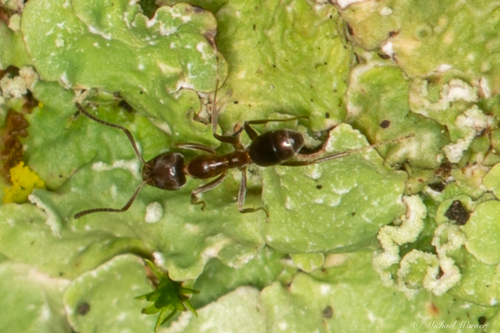
Toltec Scoliid Wasp

Toltec Scoliid Wasp

Dielis tolteca

Daily sighting probability ~10% · With luck
at Channel Islands National Park

In 3 days ~20% in a week ~40%

14 Verified sightings at Channel Islands National Park From 2019 to 2026
29 In all 2 parks
August Best month
☀️ Diurnal When it's spotted

About the Toltec Scoliid Wasp

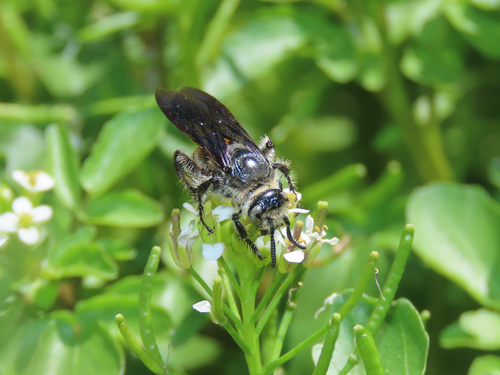
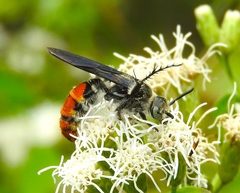
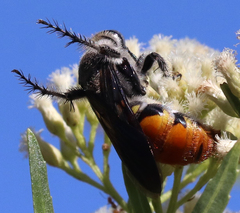
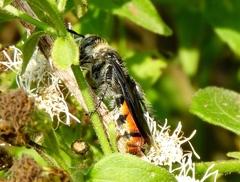
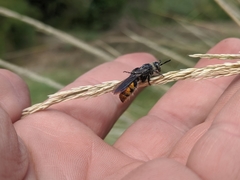
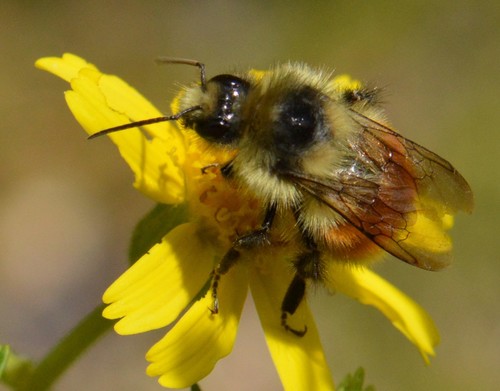
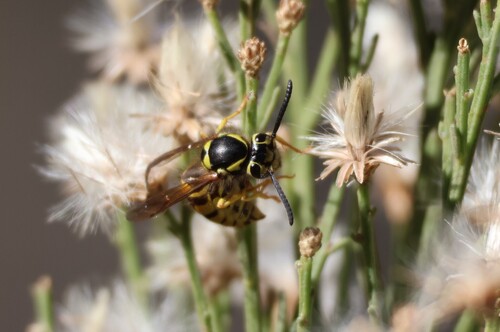
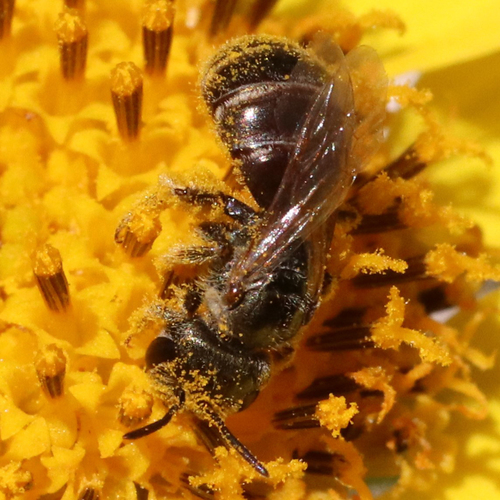
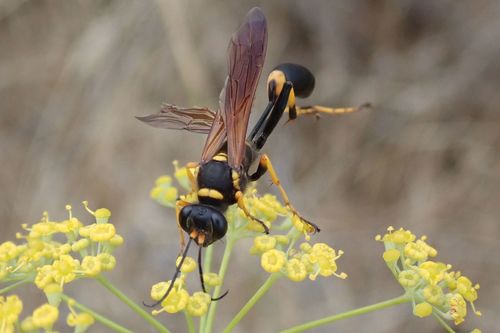
Dielis tolteca, the Toltec scoliid wasp, is a species of hymenopteran in the family Scoliidae. It is commonly found on plants in the genus Solidago. Female D. tolteca have extensive orange on at least three tergites of the gaster. The first segment is variable from a complete band to no band at all, and every possible degree in between. The only other orange-marked ally, D. dorsata, has the orange restricted to the second and third tergites of the gaster.

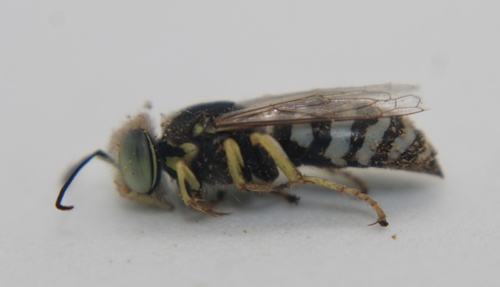
Male D. tolteca have four pale yellow bands on both the tergites and sternites of the gaster and a yellow band on the pronotum. As with the females, the most similar species is D. dorsata, which has sparser setae on the external valve of the penis and lacks banding on the sternites. The males further share the paler markings with D. plumipes, a species that is sympatric in Texas and which has the clypeus and pronotum entirely black. Another ally, D. pilipes, has a fifth band on the abdomen (only shared with D. tejensis) and is structurally distinct from all other members of the genus by the microstructuring on the frons, propodeum, mesonotum, and hind tibiae.

D. tolteca is mainly... Wikipedia →

Global Distribution

Parks Where Found

# Park Country Daily sighting probability
1 Ría Lagartos Biosphere Reserve 🇲🇽 Mexico
~20%
2 Channel Islands National Park 🇺🇸 United States
~10%

Cities Where Found

# City Country Daily sighting probability
1 Los Angeles 🇺🇸 United States
~10%
2 San Diego 🇺🇸 United States
<5%

Before you go

What are the chances of seeing a Toltec Scoliid Wasp in Channel Islands National Park?

With luck

About 10% of wildlife watchers report a Toltec Scoliid Wasp sighting in Channel Islands National Park on a given day, based on 14 verified sightings from GBIF citizen-science data from 2019 to 2026. It is the 70th most-seen of the 131 insects we can rate there. Over three days the chance rises to about 20%, and over a week to about 40%, if each day is a fresh chance.

When is the best time to see a Toltec Scoliid Wasp in Channel Islands National Park?

August

In that month about 30% of wildlife watchers report a Toltec Scoliid Wasp in Channel Islands National Park on a given day, against under 5% in July and September–April, the lowest months. That is one of Channel Islands National Park's driest months, with almost no rain against 60 mm in January.

What time of day is best to see a Toltec Scoliid Wasp?

Between 10 am and 1 pm

Across all the parks we cover, that three-hour window holds the most Toltec Scoliid Wasp sightings with a recorded time, and nearly all of them come between 6 am and 6 pm: it is a daytime animal.

Is Channel Islands National Park the best place to see a Toltec Scoliid Wasp?

2nd of 2

Of the 2 parks where we can rate Toltec Scoliid Wasp sightings, Channel Islands National Park ranks 2nd at about 10%. The best odds are in Ría Lagartos Biosphere Reserve (Mexico, about 20%).

Which relatives of the Toltec Scoliid Wasp live in Channel Islands National Park?

Same order: Hymenoptera

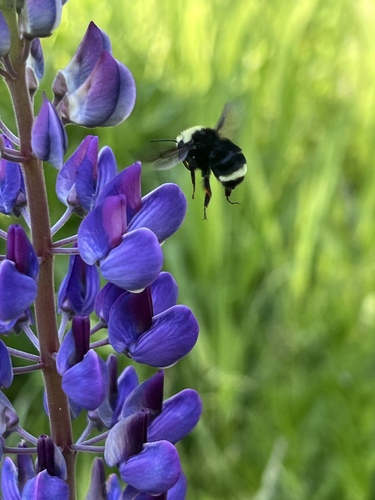
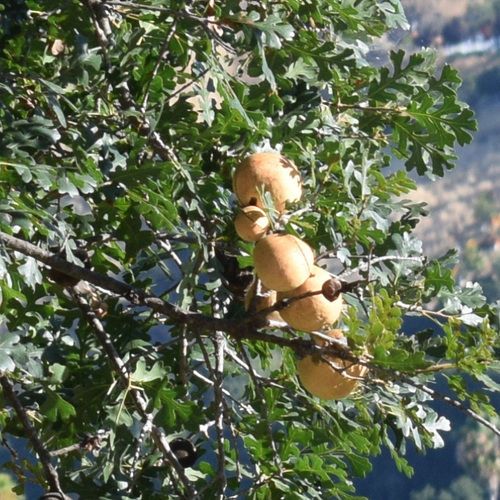
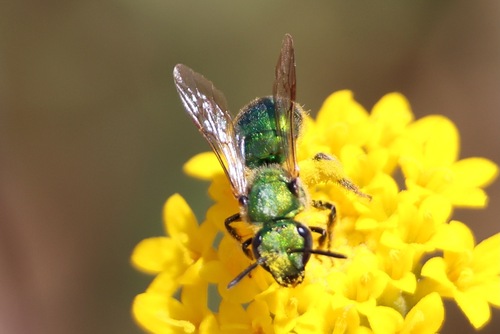
The closest relatives of the Toltec Scoliid Wasp that you can see in Channel Islands National Park (order Hymenoptera, Ants, Bees, Wasps, and Sawflies) are Yellow-Faced Bumble Bee (about 30%), California Gall Wasp (about 30%) and Peridot Sweat Bee (about 20%), with each one's daily chance of a sighting.

Where does the Toltec Scoliid Wasp sighting chance come from?

GBIF citizen-science records

It is estimated from how often the Toltec Scoliid Wasp is recorded against all the insects logged in Channel Islands National Park (14 verified sightings from 2019 to 2026), calibrated against known sighting rates. Figures are rounded to the nearest 10% because citizen-science data supports honest approximations, not decimals, and months with records from fewer than five people show "—". How it works.

← Back to Channel Islands National Park