City
Alexandria
🇪🇬 Egypt
Africa, Egypt 68 spp. recorded
Alexandria is a major city in Egypt. It is Egypt's principal seaport, the second largest city after Cairo, and the largest city on the Mediterranean coast. Wikipedia
31.187° N 29.936° E
🦜 Nature

68 Species sighted
534 Verified sightings From 2019 to 2026
Dec Best month
⭐ Iconic Species





📊 Most Spotted


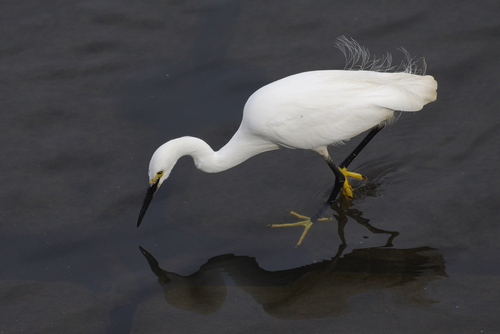


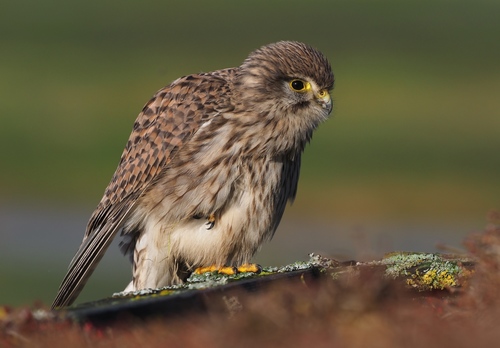





📊 Most Spotted
⭐ Iconic Species
📊 Most Spotted
📊 Most Spotted

LC
 Mediterranean House Gecko
Hemidactylus turcicus
📊 Most Spotted
📊 Most Spotted
🌙 Most active after dark
LC
Mediterranean House Gecko
Hemidactylus turcicus

LC
 House Crow
Corvus splendens

LC
 Alpine Swift
Tachymarptis melba

LC
 Sardinian Warbler
Curruca melanocephala
Recent sightings in Alexandria
LIVEiNaturalistWhere to look
Warmer areas are where all species together are recorded most often.
-
Montaza Palace Gardens قصر المنتزة






Sighting Calendar
How many species you'd see in a day
6.9Jan
6.1Feb
6.4Mar
5.9Apr
0.9May
0.5Jun
1Jul
0.4Aug
0.8Sep
4.2Oct
6.9Nov
7.9Dec
🏙️ City
Essentials
Green cover
Low
Protected land
—
Protected sea
—
Protected areas
—
Wildlife spots
2
spotsZoos & centres
2
placesClimate
Hot desert
World Heritage
No
Climate
Temp °C Rain mm
JanFebMarAprMayJunJulAugSepOctNovDec
Zoos & rescue centres


0.0 Moderate
Wallace's Line Score
How good is this city for seeing wildlife? 🦜
Biodiversity
GoodHow rich is the wildlife?
3.0
Species by taxon
🦅 Birds 283
🐒 Mammals 79
🦎 Reptiles 57
🐸 Amphibians 8
427 Total Species
679 Global average across 380 cities
26 Threatened 0 Endemic
🔭
Sighting
GoodHow likely to see animals?
2.1
🎯
Top-12 Avg Probability
41% 📊
Coverage (30 species at ≥5% of 427 in the inventory)
7% 🔀
Taxon variety in top 12 (11 bird, 1 reptile)
20% 🌟
Iconic-group species (≥15%) (every species from the 19 iconic groups — monkeys, cats, toucans, macaws, sloths, crocodilians… — not just the 4 highlighted above)
0 ⭐
High-prob species (>40%)
5 🏕️
Experience
GoodHow easy and pleasant is the visit?
3.4
Climate Pleasant High
Green cover Low Low
Protected land & sea — Low
Protected areas 0 Low
Wildlife spots 2 Medium
Zoos & centres 2 High
What visitors say
Before you go
What animals can you see in Alexandria?
68 species
Alexandria's urban area has 68 recorded vertebrate species. The ones wildlife watchers report most often on a given day are Laughing Dove (about 60%), Hooded Crow (about 60%), House Sparrow (about 60%), Common Hoopoe (about 50%) and Rock Pigeon (about 40%).
When is the best time to see wildlife in Alexandria?
March–April and November–January
In those months the city's 12 most-seen species average about 40% on a given day, against about 30% in February and October.
Can you see a Hooded Crow in Alexandria?
Yes
About 60% of wildlife watchers report a Hooded Crow sighting in Alexandria on a given day, based on 49 verified sightings from GBIF citizen-science data from 2019 to 2026. The best time is November (about 70%).
Can you see a Laughing Dove in Alexandria?
Yes
About 60% of wildlife watchers report a Laughing Dove sighting in Alexandria on a given day, based on 58 verified sightings from GBIF citizen-science data from 2019 to 2026. The best time is November to March (about 70%).
Can you see a Common Hoopoe in Alexandria?
Yes
About 50% of wildlife watchers report a Common Hoopoe sighting in Alexandria on a given day, based on 38 verified sightings from GBIF citizen-science data from 2019 to 2026. The best time is November (about 70%).
Where in Alexandria is wildlife easiest to see?
Montaza Palace Gardens قصر المنتزة
The spot where most wildlife watchers record their sightings is Montaza Palace Gardens قصر المنتزة (41 bird species recorded), followed by Main Corniche. See them on the map.
Is Alexandria good for wildlife watching?
2.4 out of 5
On the Wallace's Line Score, which rates each city against other cities, Alexandria gets 2.4/5: 377th of 380 cities worldwide and 45th in Africa. 7 of its species are reported by about 40% or more of wildlife watchers on a given day.
Nearest Cities


Nearest Parks


Nearest Zoos & Centres


Sources: urban area GHSL Urban Centre Database R2024A, European Commission JRC (CC BY 4.0) · protected land WDPA, UNEP-WCMC & IUCN (via GHSL) · climate NASA POWER · wildlife GBIF.org citizen-science data