










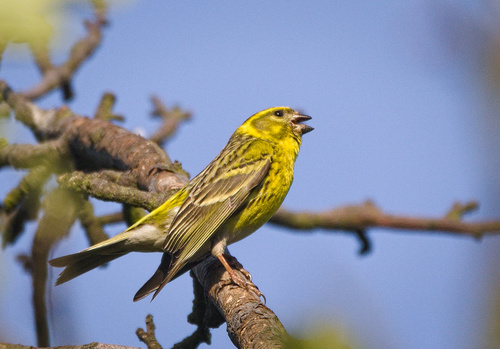


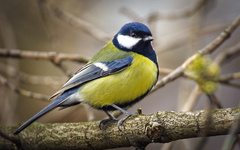
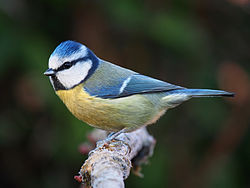


All 5 in 3 days here: ~30%
Kiskunság National Park
🇭🇺 Hungary
Eastern Europe, Hungary 484 spp. recorded
Kiskunság National Park is a protected temperate forest sanctuary in Hungary, defined by dense woodland patches, sandy clearings, and open grassy meadows. Visitors walk along flat dirt trails winding through oak groves and pine stands.
46.879° N 19.415° E
🦜 Nature

285 Species sighted
55,879 Verified sightings From 2019 to 2026
May Best month
⭐ Iconic Species
📊 Most Spotted
⭐ Iconic Species
📊 Most Spotted
⭐ Iconic Species
📊 Most Spotted
📊 Most Spotted
⭐ Iconic Species
📊 Most Spotted
📊 Most Spotted
🌙 Most active after dark
+ 239 more species with insufficient data
Challenges you can complete here


All 7 in 3 days here: ~10%
Recent sightings in Kiskunság National Park
LIVEiNaturalistSighting Calendar
How many species you'd see in a day
42Jan
51Feb
58Mar
71Apr
79May
77Jun
72Jul
66Aug
62Sep
61Oct
49Nov
49Dec
Sighting Zones
Warmer areas are where all species together are recorded most often.
-
Kolon-tói Madárvárta (observatory) · Izsák
-
Apaj puszta-Réce tanösvény · Apaj
-
Hosszú-hát · Kunpeszér











🏕️ Experience
Essentials
Entrance
Paid
Tourism
Medium
Typical stay
1
dayTrails
Easy
World Heritage
No
Climate
Temp °C Rain mm
JanFebMarAprMayJunJulAugSepOctNovDec
0.0 Good
Wallace's Line Score
How good is this park for seeing wildlife? 🦜
Biodiversity
GoodHow rich is the wildlife?
3.4
Species by taxon
🦅 Birds 365
🐒 Mammals 87
🦎 Reptiles 19
🐸 Amphibians 13
484 Total Species
828 Global average across 316 parks
27 Threatened 46 Endemic
🔭
Sighting
Very goodHow likely to see animals?
3.6
🎯
Top-12 Avg Probability
72% 📊
Coverage (197 species at ≥5% of 484 in the inventory)
41% 🔀
Taxon variety in top 12 (10 bird, 1 reptile, 1 mammal)
39% 🔭
Species per 10 outings (distinct species a visitor would meet over 10 outings — effort held equal across parks)
153 🌟
Iconic-group species (≥15%) (every species from the 19 iconic groups — monkeys, cats, toucans, macaws, sloths, crocodilians… — not just the 4 highlighted above)
4 ⭐
High-prob species (>40%)
40 🏕️
Experience
Very goodHow easy and pleasant is the visit?
4.0
Climate Mixed Medium
Entrance Paid Low
Tourism Medium Medium
Trails Easy High
World Heritage No —
What visitors say
The Middle Spotted Woodpeckers did not attend their nest and a Short-toed Treecreeper was heard once we were back at the van.
We had distant views of spotted eagles, Montagu’s harriers, kestrels and even a Saker falcon.
At the same place, we also saw a young Red-backed Shrike (Lanius collurio), which is less common at this time of the year.
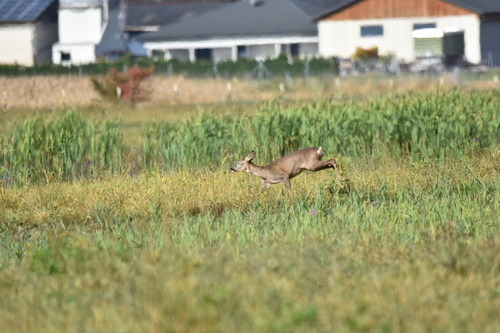
Brown Hares and Roe Deer were in the fields and ginger sausage Sousliks scurried across the road and we even saw Golden Jackal.
Before you go
What animals can you see in Kiskunság National Park?
484 species
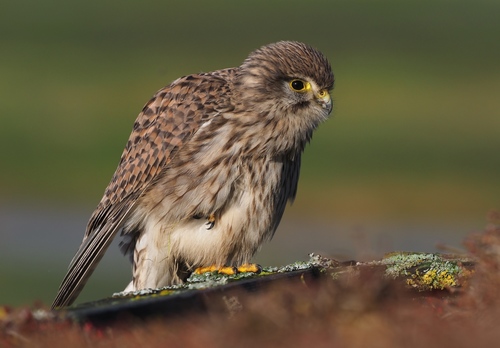
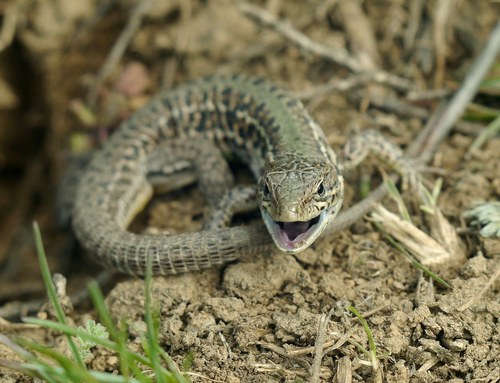
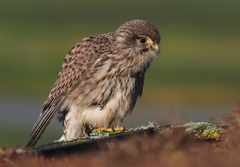
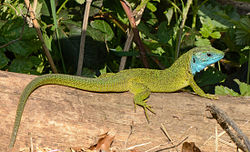
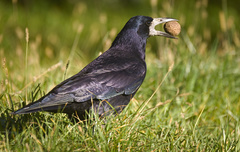
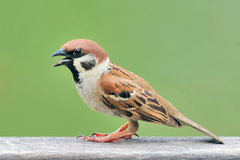
Kiskunság National Park has 484 recorded vertebrate species. The ones wildlife watchers report most often on a given day are Hooded Crow (about 80%), Common Kestrel (about 80%), Greylag Goose (about 80%), Mallard (about 70%) and European Starling (about 70%). Among mammals, the most-seen is Brown Hare (about 60%); among reptiles, Green Lizard (about 70%); among amphibians, European Tree Frog (about 50%).
When is the best time to visit Kiskunság National Park for wildlife?
March and September
In those months the park's 12 most-seen species average about 80% on a given day, against about 60% in November to January.
Can you see a European Ground Squirrel in Kiskunság National Park?
Yes
About 30% of wildlife watchers report a European Ground Squirrel sighting in Kiskunság National Park on a given day, based on 27 verified sightings from GBIF citizen-science data from 2019 to 2026. The best time is April and May (about 40%).
Can you see a Saker Falcon in Kiskunság National Park?
Yes
About 20% of wildlife watchers report a Saker Falcon sighting in Kiskunság National Park on a given day, based on 11 verified sightings from GBIF citizen-science data from 2019 to 2026. The best time is February, May and August (about 30%).
Can you see a European Tree Frog in Kiskunság National Park?
Yes
About 50% of wildlife watchers report a European Tree Frog sighting in Kiskunság National Park on a given day, based on 23 verified sightings from GBIF citizen-science data from 2019 to 2026. The best time is September and October (about 80%).
Where in Kiskunság National Park is wildlife easiest to see?
Around Árasztás-Apaj
The richest sighting zone is around Árasztás-Apaj, followed by Kolon-tói Madárvárta (observatory) · Izsák and Apaj puszta-Réce tanösvény · Apaj, ranked by how many of the park's headline animals visitors can expect to see in each. See the zones on the map.
Is Kiskunság National Park good for wildlife watching?
3.5 out of 5
On the Wallace's Line Score, Kiskunság National Park rates 3.5/5: 190th of 316 parks worldwide and 3rd in Europe. 52 of its species are reported by about 40% or more of wildlife watchers on a given day.


