
Madagascar Lark

Madagascar Lark

Mirafra hova

Silhouette: Gossipguy and T. Michael Keesey · PhyloPic

Daily sighting probability <5% · Rare
at Antananarivo

In 3 days <5% in a week ~10%

12 Verified sightings at Antananarivo
56 In all 2 parks From 2019 to 2026
February Best month
☀️ Diurnal When it's spotted

About the Madagascar Lark

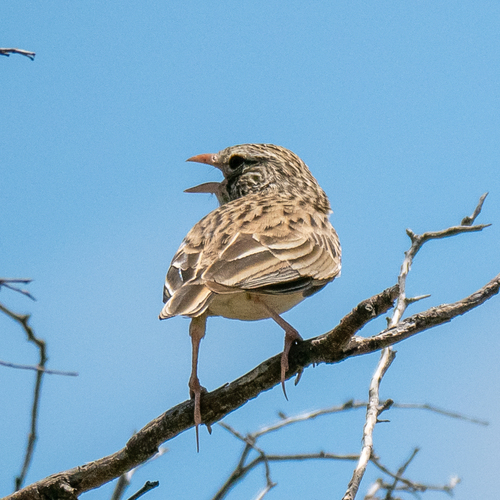
The Madagascar lark (Eremopterix hova) is a species of lark in the family Alaudidae endemic to Madagascar. The Madagascar lark was described by the German ornithologist Gustav Hartlaub in 1860, who placed it within the genus Mirafra. The specific name, hova, refers to the Hova, a caste in the precolonial Kingdom of Madagascar. It remained in the genus Mirafra until a 2013 study of the genetics of the family lead by Per Alström unexpectedly placed it with the genus Eremopterix, where it was moved to in 2014. The relationships of the Madagascar lark within this genus are not yet fully understood. Alternative names for the Madagascar lark include Hova lark, Madagascan bush lark, Madagascar singing bushlark, and Madagascar sparrow lark.

The Madagascar lark is very similar to many of the other Mirafra larks to which it was formerly thought to be related. It is a small lark, 13 cm long, with greyish-brown upperparts streaked with darker brown, and whitish below with blackish streaks or spots on the upper breast; the wings are dark brown with paler fringes on the primary and secondary feathers often visible as a pale panel on the closed wing... Wikipedia →

Global Distribution

Parks Where Found

# Park Country Daily sighting probability
1 Berenty Reserve 🇲🇬 Madagascar
~30%
2 Ankarafantsika National Park 🇲🇬 Madagascar
<5%

Cities Where Found

# City Country Daily sighting probability
1 Antananarivo 🇲🇬 Madagascar
<5%

Before you go

What are the chances of seeing a Madagascar Lark in Antananarivo?

Rare

Under 5% of wildlife watchers report a Madagascar Lark sighting in Antananarivo on a given day, based on 12 verified sightings from GBIF citizen-science data. It is the 61st most-seen of the 69 birds we can rate there. Over three days the chance rises to under 5%, and over a week to about 10%, if each day is a fresh chance.

When is the best time to see a Madagascar Lark in Antananarivo?

February

In that month about 10% of wildlife watchers report a Madagascar Lark in Antananarivo on a given day, against under 5% in March to January, the lowest months. That is one of Antananarivo's wettest months, with about 380 mm of rain against 45 mm in September.

What time of day is best to see a Madagascar Lark?

Between 9 am and noon

Across all the parks we cover, that three-hour window holds the most Madagascar Lark sightings with a recorded time, and about 8 in 10 of them come between 6 am and 6 pm: it is a daytime animal.

Where else can you see a Madagascar Lark?

Only Antananarivo, in our data

Antananarivo is the only city on Wallace's Line with enough records to rate Madagascar Lark sightings: under 5% of wildlife watchers there report one on a given day.

Which relatives of the Madagascar Lark live in Antananarivo?

Same order: Passeriformes

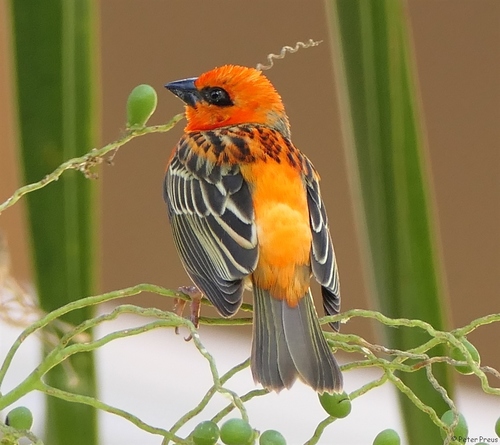
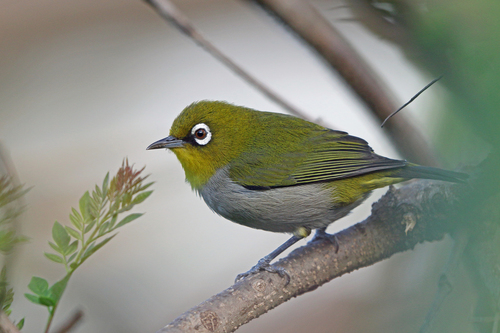
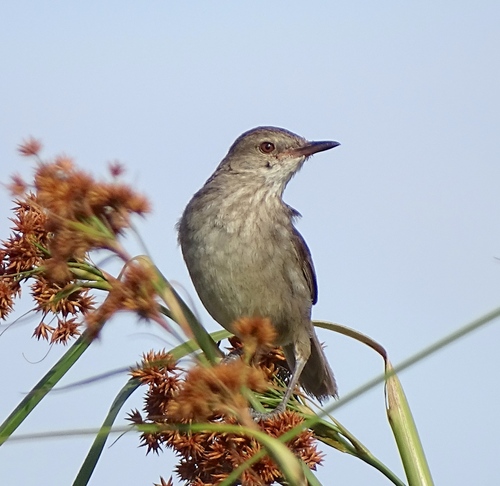
The closest relatives of the Madagascar Lark that you can see in Antananarivo (order Passeriformes, Perching Birds) are Madagascar Fody (about 90%), Malagasy Brush Warbler (about 50%) and Madagascar White-eye (about 50%), with each one's daily chance of a sighting.

Where does the Madagascar Lark sighting chance come from?

GBIF citizen-science records

It is estimated from how often the Madagascar Lark is recorded against all the birds logged in Antananarivo (12 verified sightings), calibrated against known sighting rates. Figures are rounded to the nearest 10% because citizen-science data supports honest approximations, not decimals, and months with records from fewer than five people show "—". How it works.

← Back to Antananarivo