

Carové's Giant Dragonfly

Carové's Giant Dragonfly

Uropetala carovei

Endemic
Daily sighting probability ~10% · With luck
at Auckland

In 3 days ~20% in a week ~30%

21 Verified sightings at Auckland
37 In all 3 parks From 2019 to 2026
February Best month
☀️ Diurnal When it's spotted

About the Carové's Giant Dragonfly

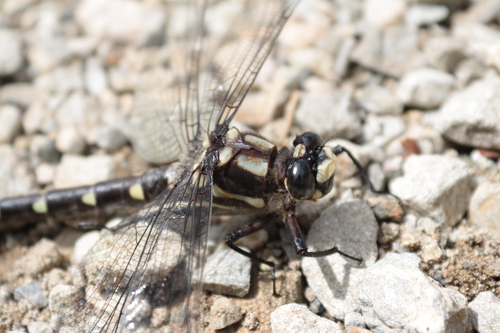
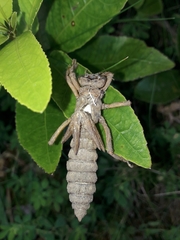
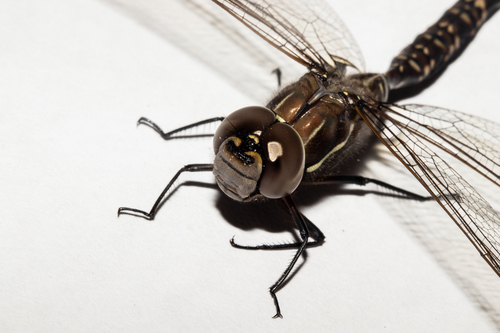
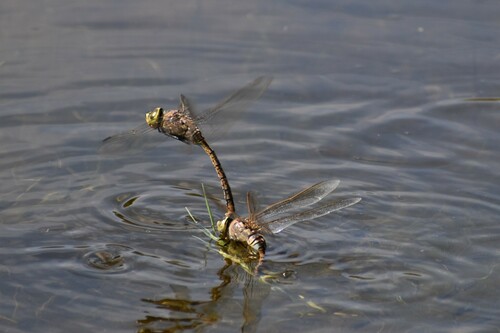
Uropetala carovei (New Zealand bush giant dragonfly) is a giant dragonfly of the family Petaluridae, endemic to New Zealand. Its Māori name, kapokapowai (or kapowai) means "water snatcher", alluding to the water dwelling juvenile stage (nymph), which, like all dragonflies, has a long extendable jaw that shoots out to snatch prey. It is also known as Carové's Giant Dragonfly.

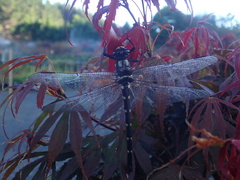
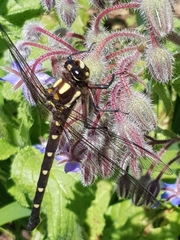
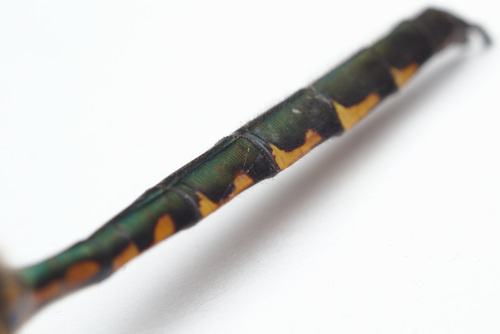
Its yellow and black body can be up to 95 millimetres (3.7 in) long, with a wingspan up to 130 millimetres (5.1 in), making it the largest dragonfly in New Zealand. Females are slightly larger than males. The bodies of both the female and male are dark brown, with pale spots on the abdomen and thorax. Males have petal-shaped appendages at the tip of the abdomen. Uropetala carovei can be distinguished from the similar Uropetala chiltoni, which occurs in the mountains of the South Island, by its all-black labrum (lacking the large pale blotch on Uropetala chiltoni), and its brown to yellowish leg femur segments (which are black in Uropetala chiltoni).

Uropetala carovei was first described by Adam White in 1843 and originally named Petalura carovei. The Natural History Museum, London... Wikipedia →

Global Distribution

Parks Where Found

# Park Country Daily sighting probability
1 Egmont National Park 🇳🇿 New Zealand
~20%
2 Arthur's Pass National Park 🇳🇿 New Zealand
~10%
3 Fiordland National Park 🇳🇿 New Zealand
~10%

Cities Where Found

# City Country Daily sighting probability
1 Auckland 🇳🇿 New Zealand
~10%

Before you go

What are the chances of seeing a Carové's Giant Dragonfly in Auckland?

With luck

About 10% of wildlife watchers report a Carové's Giant Dragonfly sighting in Auckland on a given day, based on 21 verified sightings from GBIF citizen-science data. It is the 264th most-seen of the 689 insects we can rate there. Over three days the chance rises to about 20%, and over a week to about 30%, if each day is a fresh chance.

When is the best time to see a Carové's Giant Dragonfly in Auckland?

January–March and July

In those months about 10% of wildlife watchers report a Carové's Giant Dragonfly in Auckland on a given day, against under 5% in April–June and August–December, the lowest months.

What time of day is best to see a Carové's Giant Dragonfly?

Between 11 am and 2 pm

Across all the parks we cover, that three-hour window holds the most Carové's Giant Dragonfly sightings with a recorded time, and about 9 in 10 of them come between 6 am and 6 pm: it is a daytime animal.

Where else can you see a Carové's Giant Dragonfly?

Only Auckland, in our data

Auckland is the only city on Wallace's Line with enough records to rate Carové's Giant Dragonfly sightings: about 10% of wildlife watchers there report one on a given day.

Which relatives of the Carové's Giant Dragonfly live in Auckland?

Same order: Odonata

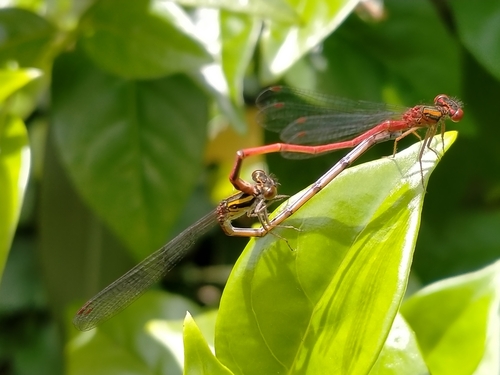
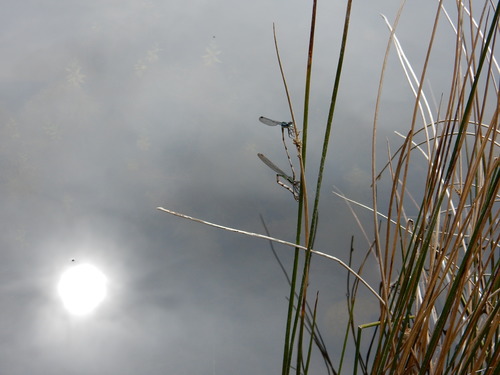
The closest relatives of the Carové's Giant Dragonfly that you can see in Auckland (order Odonata, Dragonflies and Damselflies) are Red Damselfly (about 20%) and Aurora Bluetail (about 10%), with each one's daily chance of a sighting.

Where does the Carové's Giant Dragonfly sighting chance come from?

GBIF citizen-science records

It is estimated from how often the Carové's Giant Dragonfly is recorded against all the insects logged in Auckland (21 verified sightings), calibrated against known sighting rates. Figures are rounded to the nearest 10% because citizen-science data supports honest approximations, not decimals, and months with records from fewer than five people show "—". How it works.

← Back to Auckland