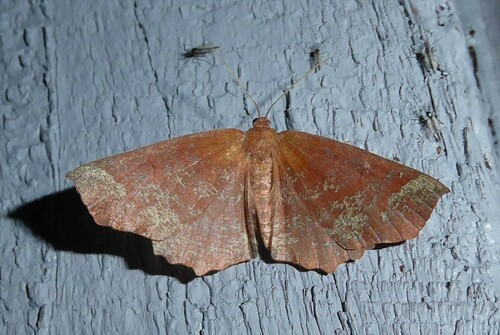
Forest Semilooper

Forest Semilooper

Declana floccosa

Endemic
Daily sighting probability ~10% · With luck
at Auckland

In 3 days ~30% in a week ~60%

87 Verified sightings at Auckland
261 In all 4 parks From 2019 to 2026
December Best month
☀️🌙 Day & Night When it's spotted

About the Forest Semilooper

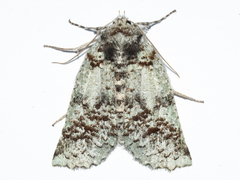
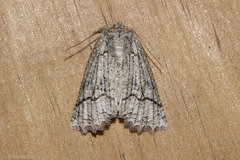
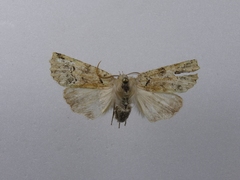
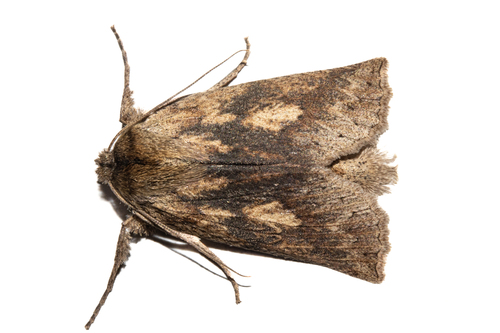
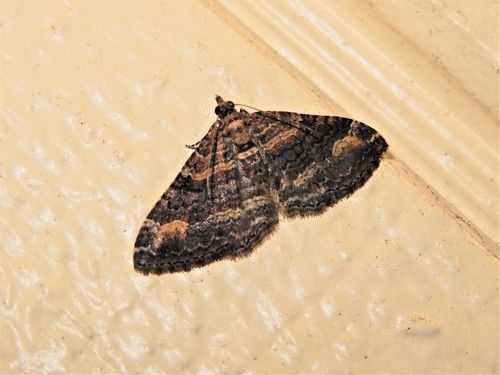
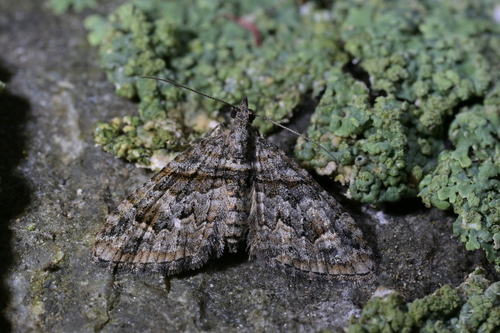
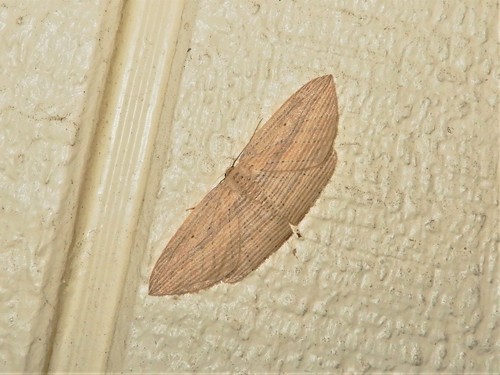
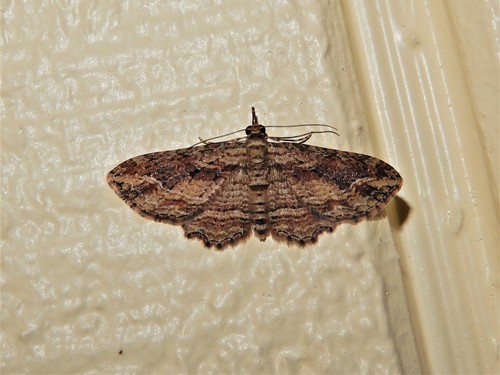
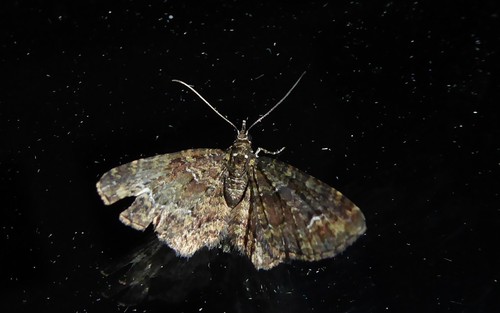
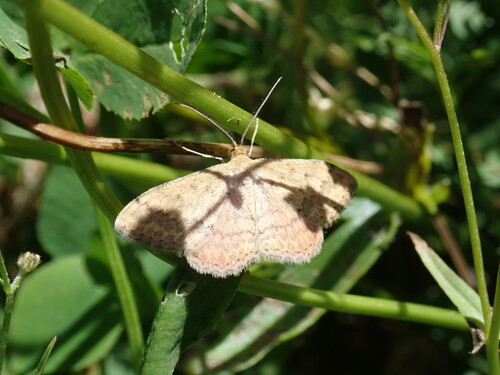
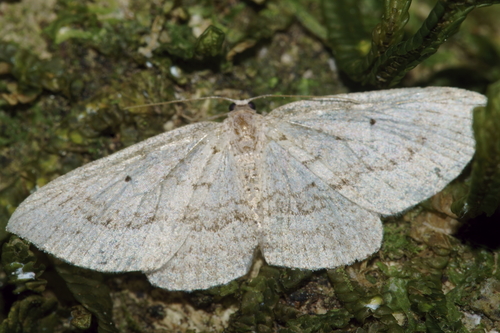
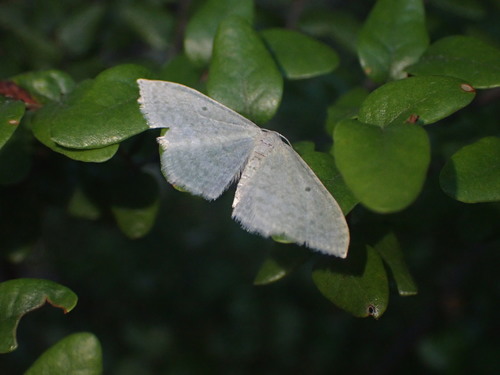
Declana floccosa, the forest semilooper or manuka moth is a moth of the family Geometridae. It is endemic to New Zealand. It was first described by Francis Walker in 1863 using specimens obtained from Colonel Bolton. The wingspan of this species is 27–35 mm and is extremely variable in colour and patterning.

The larvae feed on a wide range of native and exotic broad-leaved and coniferous shrubs and trees. Exotic hosts include Pinus radiata and other Pinus species, Pseudotsuga menziesii, Larix and Eucalyptus. Native hosts include Muehlenbeckia australis.

Adults are attracted to light and have been collected via a mercury vapour light trap. A longitudinal study from 1974 to 2016 indicated the population of this moth declined sharply in the study area in the mid-1980s but began to recover in the late 1990s. It has been hypothesised that the arrival of Vespula vulgaris in New Zealand might be the cause of the population decline. It was also hypothesised that the recovery in population may have been brought about as a result of the extended emergence period of this moth which gave those moths emerging later in the season the ability to avoid predation... Wikipedia →

Global Distribution

Parks Where Found

# Park Country Daily sighting probability
1 Rakiura National Park 🇳🇿 New Zealand
~40%
2 Egmont National Park 🇳🇿 New Zealand
~20%
3 Fiordland National Park 🇳🇿 New Zealand
~20%
4 Arthur's Pass National Park 🇳🇿 New Zealand
~10%

Cities Where Found

# City Country Daily sighting probability
1 Auckland 🇳🇿 New Zealand
~10%

Before you go

What are the chances of seeing a Forest Semilooper in Auckland?

With luck

About 10% of wildlife watchers report a Forest Semilooper sighting in Auckland on a given day, based on 87 verified sightings from GBIF citizen-science data. It is the 87th most-seen of the 689 insects we can rate there. Over three days the chance rises to about 30%, and over a week to about 60%, if each day is a fresh chance.

When is the best time to see a Forest Semilooper in Auckland?

November and December

In those months about 20% of wildlife watchers report a Forest Semilooper in Auckland on a given day, against about 10% in January to October, the lowest months.

What time of day is best to see a Forest Semilooper?

Between 9 pm and midnight

Across all the parks we cover, that three-hour window holds the most Forest Semilooper sightings with a recorded time, and about 6 in 10 of them come between 6 pm and 6 am: it is seen both by day and at night.

Where else can you see a Forest Semilooper?

Only Auckland, in our data

Auckland is the only city on Wallace's Line with enough records to rate Forest Semilooper sightings: about 10% of wildlife watchers there report one on a given day.

Where does the Forest Semilooper sighting chance come from?

GBIF citizen-science records

It is estimated from how often the Forest Semilooper is recorded against all the insects logged in Auckland (87 verified sightings), calibrated against known sighting rates. Figures are rounded to the nearest 10% because citizen-science data supports honest approximations, not decimals, and months with records from fewer than five people show "—". How it works.
← Back to Auckland