About the Epyaxa lucidata
Epyaxa lucidata is a species of moth in the family Geometridae. It is endemic to New Zealand. This species was first described by Francis Walker in 1862 using material collected by Andrew Sinclair and named Larentia lucidata. In 1911 Edward Meyrick, thinking he was describing a new species, gave it the name Xanthorhoe practica. This name, along with Xanthorhoe robustaria, was synonymised with Xanthorhoe lucidata by L. B. Prout in 1939. Since then, the name has changed to Epyaxa Lucidata. The holotype specimen is held at the Natural History Museum, London.
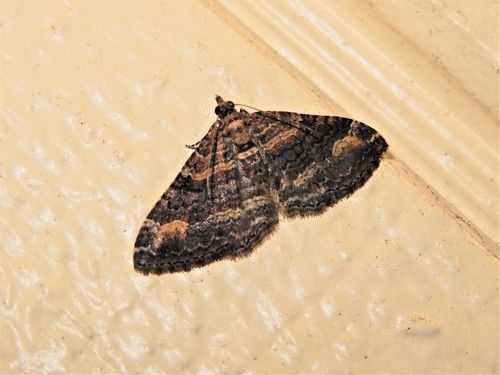
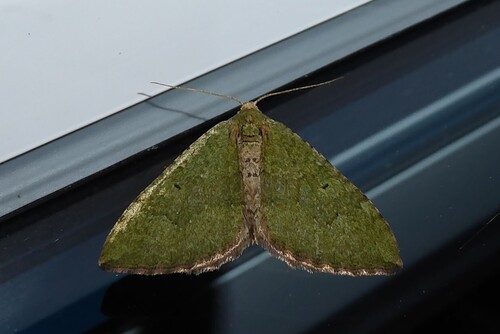
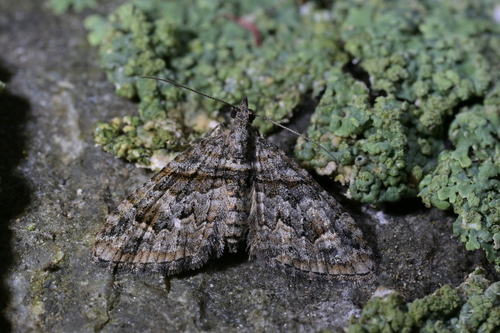
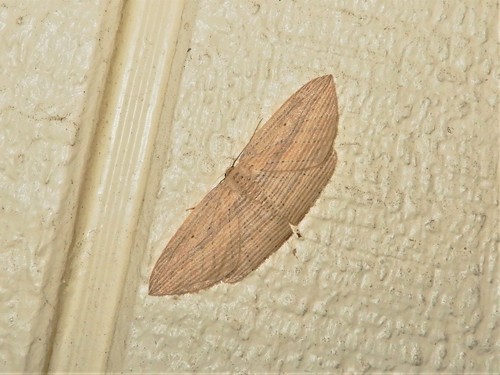
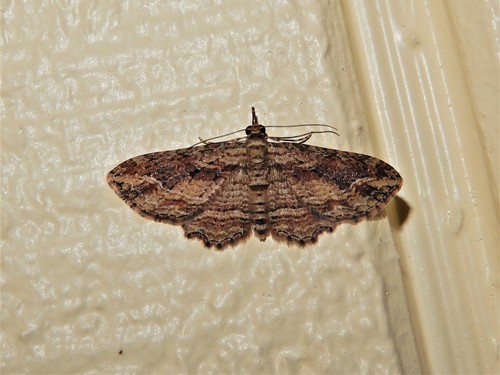
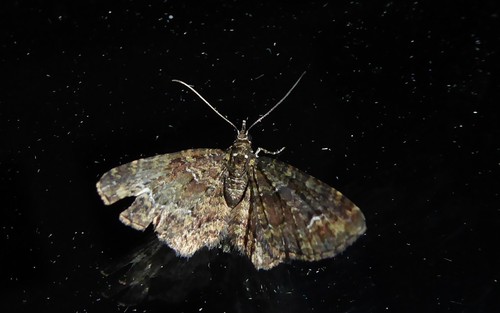
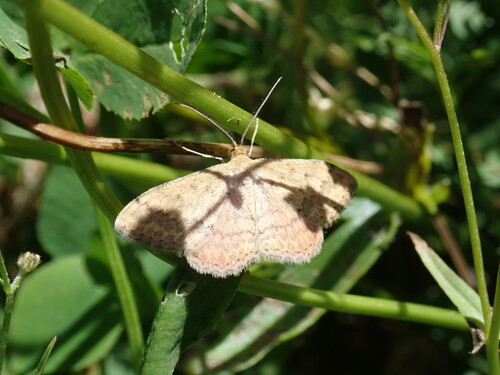
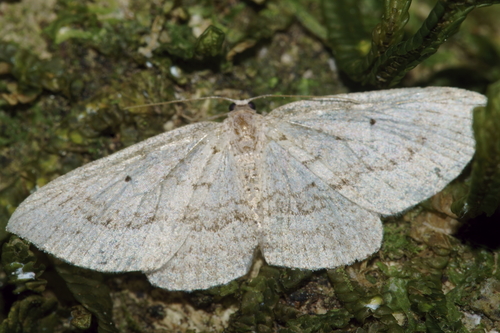
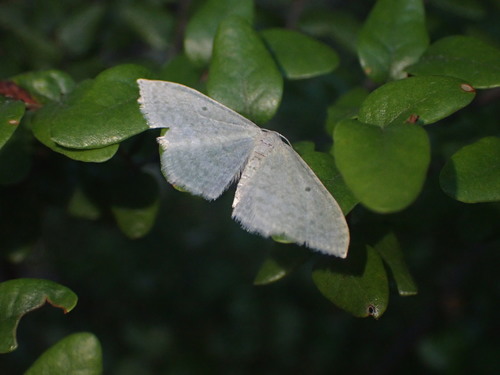
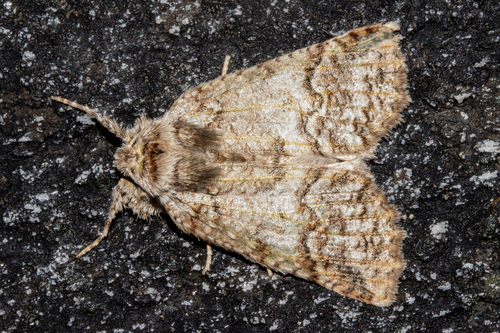
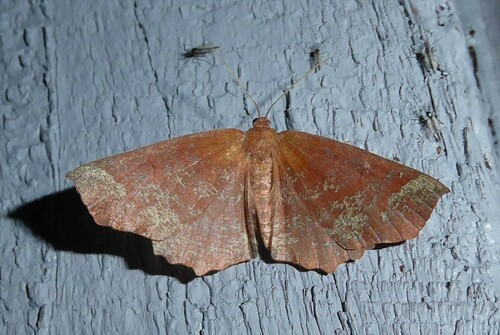
Epyaxa lucidata is a small moth with a body length of about 1 cm and a wingspan of around 20-30mm. They have a pattern similar to the bark of a tree and come in shades of gray and brown. Epyaxa lucidata belongs to the Geometridae family, which generally contains moths having slender bodies and broad wings held flat while the moth is at rest. The genus Epyaxa to which E. lucidata belongs is closely related to Helastia, another genus within Geometridae. Epyaxa moths can be distinguished from Helastia by the male antennal pectinations, which have their bases hidden by the preceding segment apex. Epyaxa... Wikipedia →