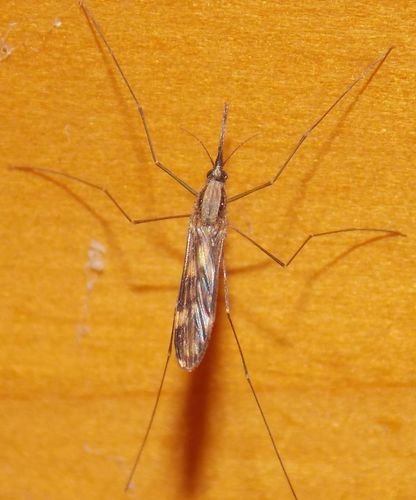
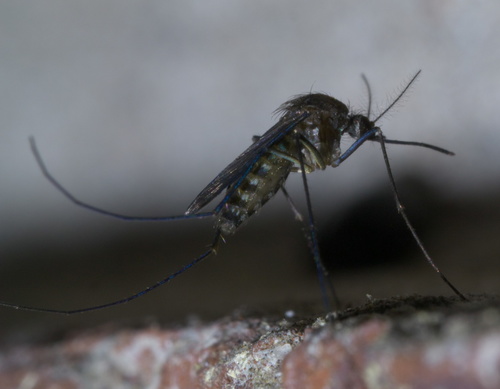
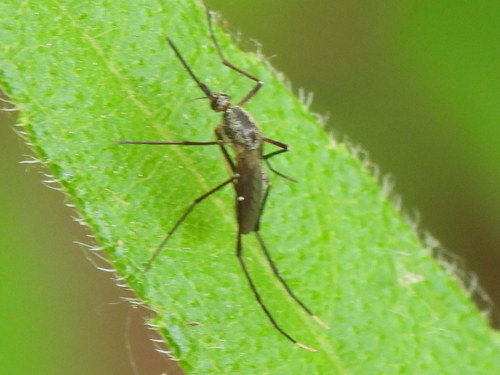
Elephant Mosquito

Elephant Mosquito

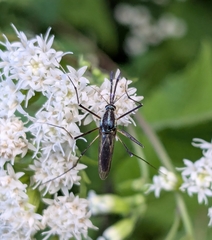
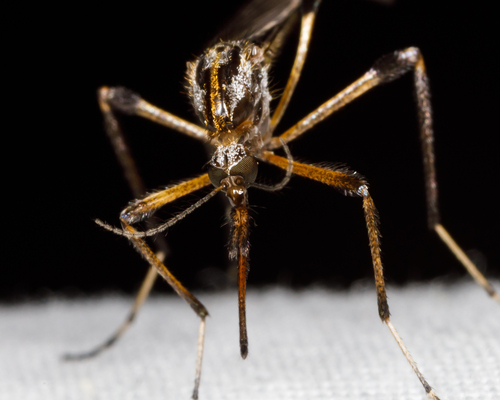
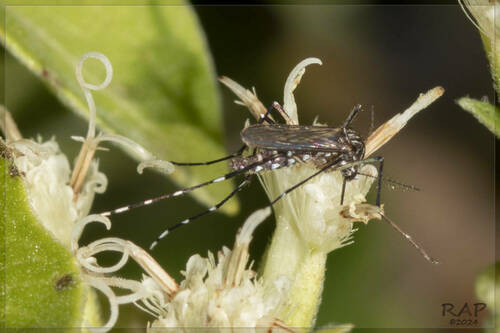
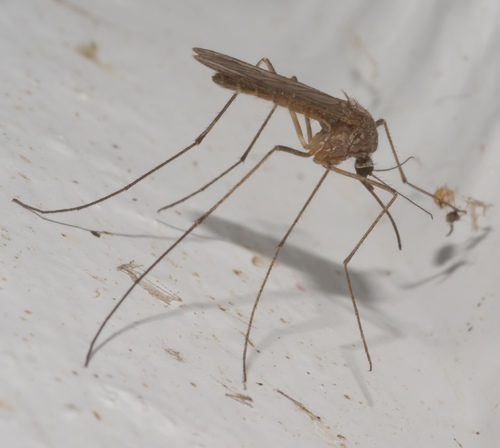
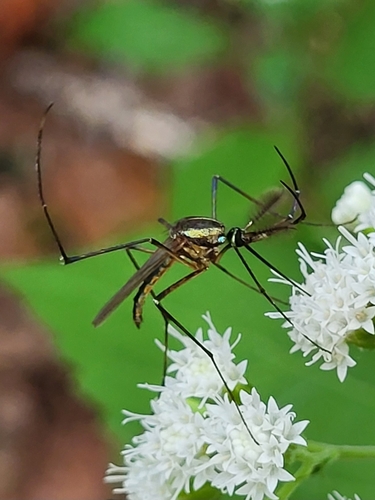
Toxorhynchites rutilus

Daily sighting probability <5% · Rare
at Austin

In 3 days ~10% in a week ~20%

23 Verified sightings at Austin
10 In 1 park From 2019 to 2026
October Best month
☀️ Diurnal When it's spotted

About the Elephant Mosquito

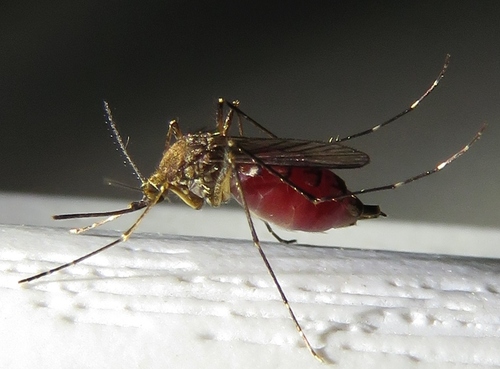
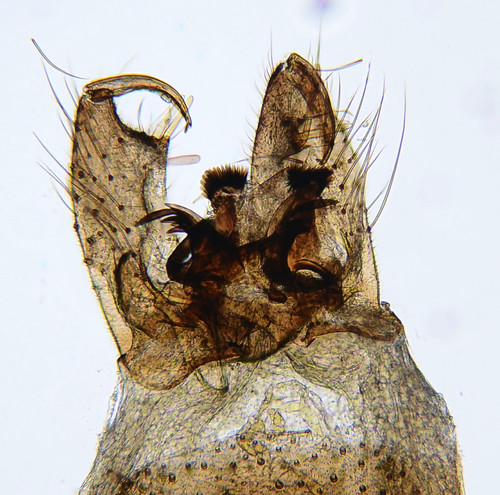
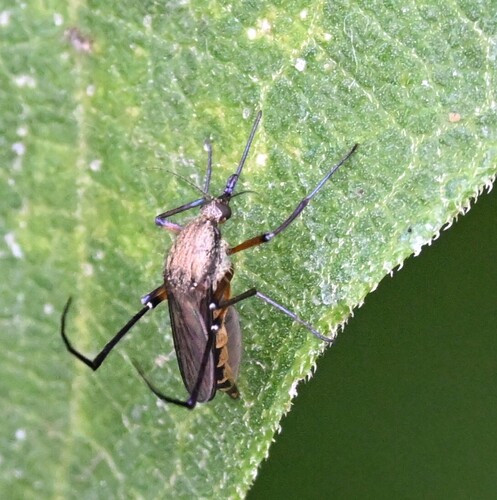
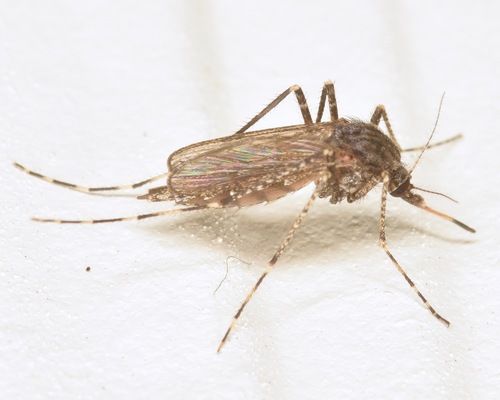
Toxorhynchites rutilus, also known as the elephant mosquito or treehole predatory mosquito, is a species of mosquito in the family Culicidae. Unlike most species in the genus that populate the tropics, Tx. rutilus is endemic to temperate regions. As their name suggests, these mosquitoes commonly lay their eggs in treeholes where their larvae are predators on a variety of arthropods. As with other mosquitoes, they also inhabit other bodies of stagnant water such as in a tire or artificial containers, but not large bodies of water like ponds and ground pools. Females are able to strategically locate breeding sites that already contain prey to oviposit in.

Tx. rutilus feeding behaviors make them strikingly different from a typical mosquito. Both adult males and females are strictly nectar-feeding and so they do not have a role in the transmission of pathogens to animals as in other mosquitoes. Instead, their larvae are predacious and could potentially help curb the spread of diseases via vector mosquitoes. While they commonly prey on copepods, rotifers, ostracods, and chironomids, they also generally have a preference for certain species of mosquito larvae including common disease vectors such as Aedes albopictus, Aedes aegypti, and Aedes polynesiensis. If their habitat lacks food or is overcrowded, the larvae are known to succumb to cannibalism. Their larval feeding preferences make them of special interest to biological control scientists and entomologists. There have been few successful instances of using Tx. rutilus as biological control in regions such as Hawaii, Florida, Louisiana, and Japan. Wikipedia →
Global Distribution

Parks Where Found

# Park Country Daily sighting probability
1 Shenandoah National Park 🇺🇸 United States
~10%

More parks will be added in future updates.

Cities Where Found

# City Country Daily sighting probability
1 Washington 🇺🇸 United States
<5%
2 Boston 🇺🇸 United States
<5%
3 Philadelphia 🇺🇸 United States
<5%
4 Austin 🇺🇸 United States
<5%
5 Dallas 🇺🇸 United States
<5%
6 Baltimore 🇺🇸 United States
<5%
7 New York City 🇺🇸 United States
<5%
8 Houston 🇺🇸 United States
<5%

Before you go

What are the chances of seeing an Elephant Mosquito in Austin?

Rare

Under 5% of wildlife watchers report an Elephant Mosquito sighting in Austin on a given day, based on 23 verified sightings from GBIF citizen-science data. It is the 781st most-seen of the 1624 insects we can rate there. Over three days the chance rises to about 10%, and over a week to about 20%, if each day is a fresh chance.

When is the best time to see an Elephant Mosquito in Austin?

October

In that month about 10% of wildlife watchers report an Elephant Mosquito in Austin on a given day, against under 5% in November to September, the lowest months.

What time of day is best to see an Elephant Mosquito?

Between 10 am and 1 pm

Across all the parks we cover, that three-hour window holds the most Elephant Mosquito sightings with a recorded time, and about 9 in 10 of them come between 6 am and 6 pm: it is a daytime animal.

Is Austin the best place to see an Elephant Mosquito?

Among the best

Of the 8 cities where we can rate Elephant Mosquito sightings, Austin ranks 4th at under 5%, level with the leaders once rounded. The best odds are in Washington (United States, under 5%), Boston (United States, under 5%) and Philadelphia (United States, under 5%).

Where does the Elephant Mosquito sighting chance come from?

GBIF citizen-science records

It is estimated from how often the Elephant Mosquito is recorded against all the insects logged in Austin (23 verified sightings), calibrated against known sighting rates. Figures are rounded to the nearest 10% because citizen-science data supports honest approximations, not decimals, and months with records from fewer than five people show "—". How it works.

← Back to Austin