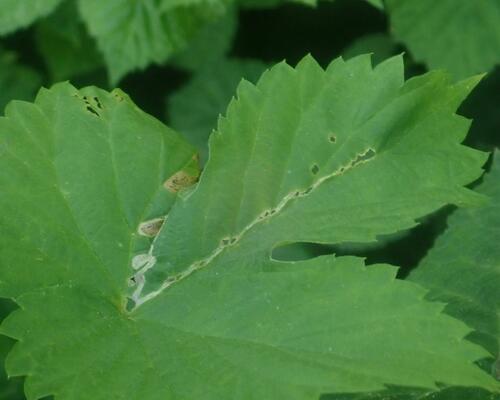
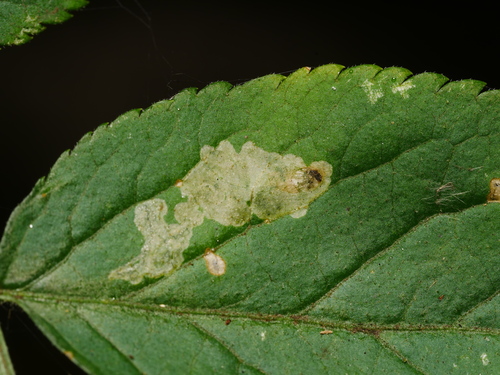
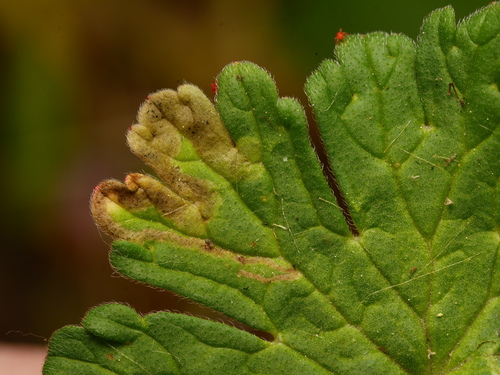

Phytomyza ranunculi

Phytomyza ranunculi

Phytomyza ranunculi

Daily sighting probability <5% · Rare
at Berlin

In 3 days ~10% in a week ~20%

12 Verified sightings at Berlin
8 In 1 park From 2019 to 2026
November Best month
☀️ Diurnal When it's spotted

About the Phytomyza ranunculi

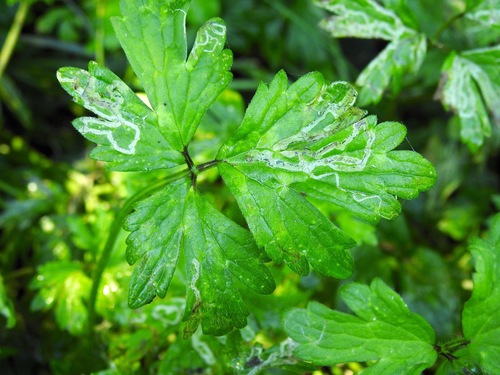
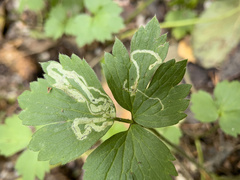
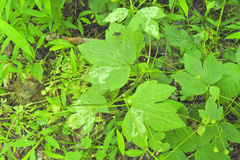
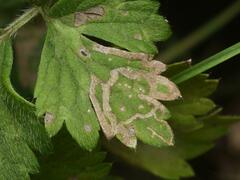
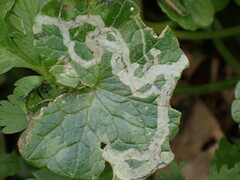
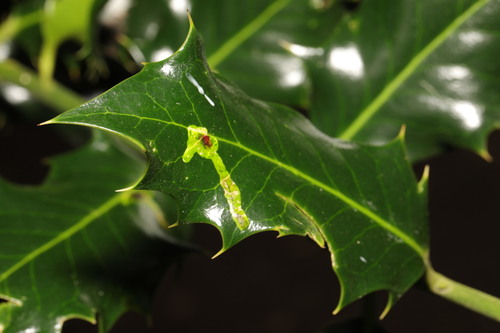
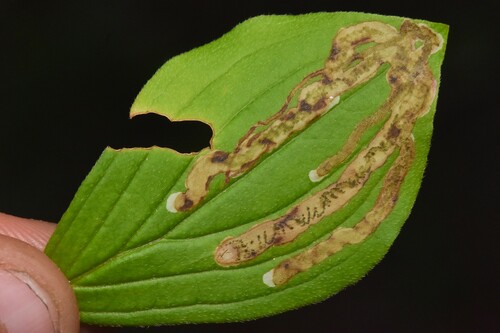
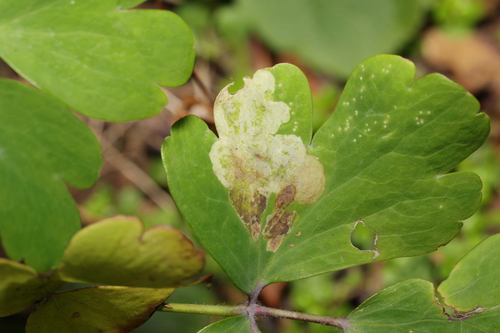
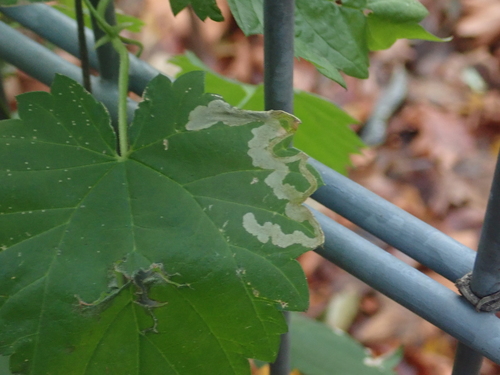
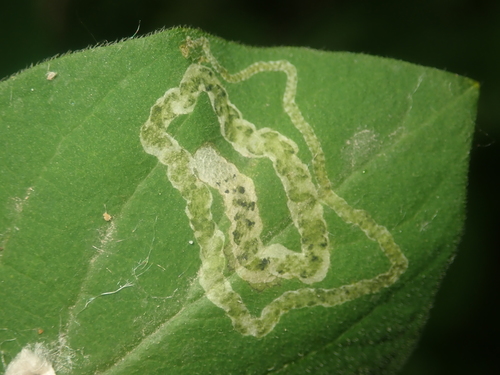
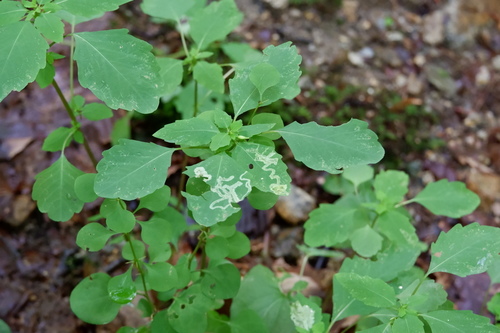
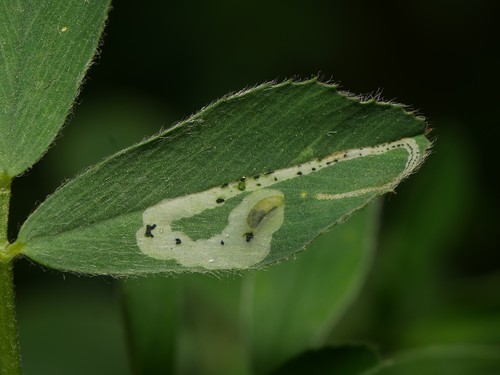
Phytomyza ranunculi is a species of fly in the family Agromyzidae. It is found in the Palearctic. Eggs are laid on plants in the Ranunculaceae family. The larvae are, primarily, leaf-miners. They form a long, conspicuous white mine with the frass present in close strings.

In 2018 the first confirmed adults were reared from stem-mines of meadow buttercup (Ranunculus acris). This is a rare example of 'organoxeny', where a phytophagous insect occurs on a different part of a plant from where it can normally be found.

The larvae pupates into a greyish or brown puparium, with posterior spiracles each with about 18-20 bulbs. Adult flies are approximately 2 mm in length. Adults are highly variable in colour, with several named variants including a pale form (P. ranunculi var. flava) and dark forms (P. ranunculi var. flavoscutellata and var. islandica).

The fly is widespread throughout Europe. P. ranunculi pupae are particularly at risk from parasitism. Up to 75% of all reared puparium have been shown to be parasitised. Parasitoids of this species include numerous species in the hymenoptera superfamilies Chalcidoidea and Ichneumonoidea... Wikipedia →

Global Distribution

Parks Where Found

# Park Country Daily sighting probability
1 Gros Morne National Park 🇨🇦 Canada
~10%

More parks will be added in future updates.

Cities Where Found

# City Country Daily sighting probability
1 Berlin 🇩🇪 Germany
<5%

Before you go

What are the chances of seeing a Phytomyza ranunculi in Berlin?

Rare

Under 5% of wildlife watchers report a Phytomyza ranunculi sighting in Berlin on a given day, based on 12 verified sightings from GBIF citizen-science data. It is the 646th most-seen of the 1065 insects we can rate there. Over three days the chance rises to about 10%, and over a week to about 20%, if each day is a fresh chance.

When is the best time to see a Phytomyza ranunculi in Berlin?

January, May and November

In those months about 10% of wildlife watchers report a Phytomyza ranunculi in Berlin on a given day, against under 5% in February–April, June–October and December, the lowest months.

What time of day is best to see a Phytomyza ranunculi?

Between 2 and 5 pm

Across all the parks we cover, that three-hour window holds the most Phytomyza ranunculi sightings with a recorded time, and about 8 in 10 of them come between 6 am and 6 pm: it is a daytime animal.

Where else can you see a Phytomyza ranunculi?

Only Berlin, in our data

Berlin is the only city on Wallace's Line with enough records to rate Phytomyza ranunculi sightings: under 5% of wildlife watchers there report one on a given day.

Where does the Phytomyza ranunculi sighting chance come from?

GBIF citizen-science records

It is estimated from how often the Phytomyza ranunculi is recorded against all the insects logged in Berlin (12 verified sightings), calibrated against known sighting rates. Figures are rounded to the nearest 10% because citizen-science data supports honest approximations, not decimals, and months with records from fewer than five people show "—". How it works.

← Back to Berlin