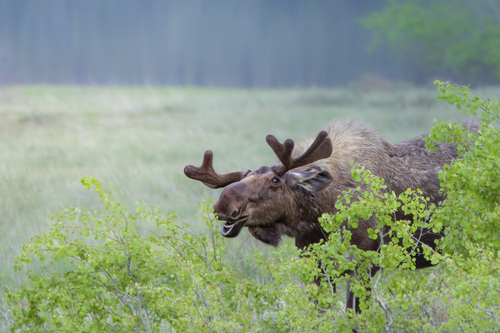








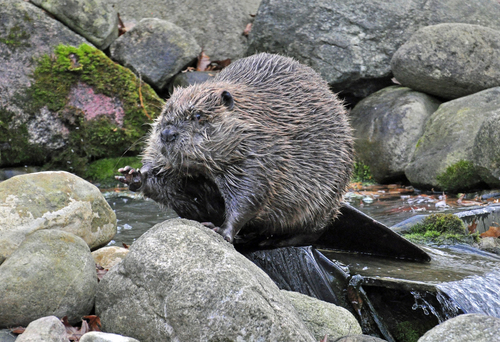


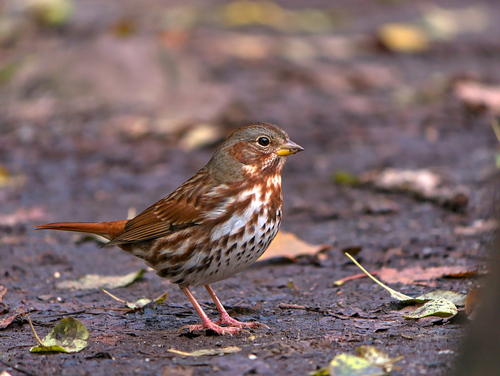

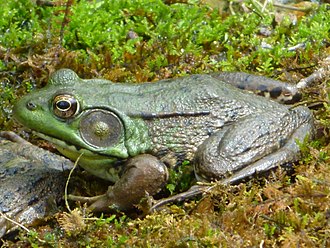


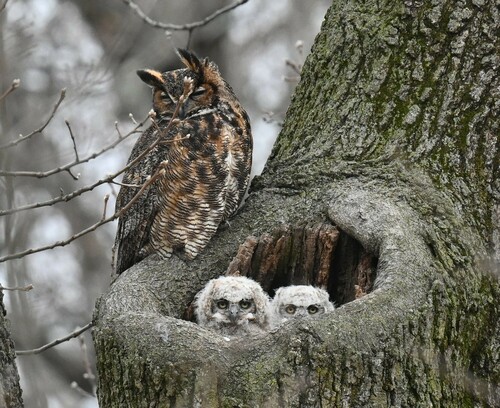


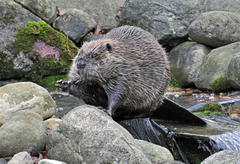


All 4 in 3 days here: ~10%
Gros Morne National Park
🇨🇦 Canada
Newfoundland, Canada 351 spp. recorded
Gros Morne National Park sits on the west coast of Newfoundland, Canada, where jagged cliffs give way to deep fjords and a patchwork of boreal forest and open valleys. Elk dominate the summer meadows, their antlers a common sight along the trailheads.
49.725° N 57.642° W
🦜 Nature

206 Species sighted
35,833 Verified sightings From 2019 to 2026
Jul Best month
⭐ Iconic Species
📊 Most Spotted
⭐ Iconic Species
📊 Most Spotted
📊 Most Spotted
📊 Most Spotted
📊 Most Spotted
📊 Most Spotted
+ 197 more species with insufficient data
Challenges you can complete here
Recent sightings in Gros Morne National Park
LIVEiNaturalistSighting Calendar
How many species you'd see in a day
20Jan
21Feb
21Mar
20Apr
28May
40Jun
42Jul
36Aug
32Sep
29Oct
19Nov
21Dec
Sighting Zones
Warmer areas are where all species together are recorded most often.
-
Western Brook Pond trail
Daily sight. prob.vs avg -
Berry Hill Campground
Daily sight. prob.vs avg -
Tablelands main trail
-
Green Point






🏕️ Experience
Essentials
Climate
Temp °C Rain mm
JanFebMarAprMayJunJulAugSepOctNovDec
0.0 Good
Wallace's Line Score
How good is this park for seeing wildlife? 🦜
Biodiversity
Very goodHow rich is the wildlife?
4.5
Species by taxon
🦅 Birds 290
🐒 Mammals 54
🦎 Reptiles 2
🐸 Amphibians 5
351 Total Species
828 Global average across 316 parks
25 Threatened 0 Endemic
🔭
Sighting
Very goodHow likely to see animals?
3.3
🎯
Top-12 Avg Probability
64% 📊
Coverage (103 species at ≥5% of 351 in the inventory)
29% 🔀
Taxon variety in top 12 (9 bird, 2 mammal, 1 amphibian)
54% 🔭
Species per 10 outings (distinct species a visitor would meet over 10 outings — effort held equal across parks)
79 🌟
Iconic-group species (≥15%) (every species from the 19 iconic groups — monkeys, cats, toucans, macaws, sloths, crocodilians… — not just the 4 highlighted above)
7 ⭐
High-prob species (>40%)
23 🏕️
Experience
Very goodHow easy and pleasant is the visit?
3.5
Climate Harsh Low
Entrance Paid Low
Tourism Medium Medium
Trails Moderate Medium
World Heritage Yes Bonus
What visitors say
Other birds we heard: northern thrush, hermit thrush, swainsons thrush, cape may warbler, Tennessee warbler, American redstart, white throated sparrow.
Instead, we discovered a quiet beach with a fascinating history, watched seals at play, spotted minke whales in the distance, and enjoyed one of the most peaceful mornings of our trip.
On an afternoon boat ride aboard The Zodiac and a headland hike, we spotted bald eagles, moose trails, and beaver tracks.
Winding your way through the forest, keep your eyes peeled for wildlife (we saw plenty of droppings, but unfortunately no moose or caribou).
Before you go
What animals can you see in Gros Morne National Park?
351 species
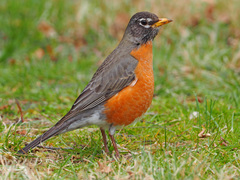
Gros Morne National Park has 351 recorded vertebrate species. The ones wildlife watchers report most often on a given day are American Robin (about 90%), White-throated Sparrow (about 90%), American Toad (about 80%), Black-and-white Warbler (about 60%) and American Herring Gull (about 60%). Among mammals, the most-seen is Snowshoe Hare (about 60%).
When is the best time to visit Gros Morne National Park for wildlife?
June and July
In those months the park's 12 most-seen species average about 70% on a given day, against about 30% in January.
Can you see a Moose in Gros Morne National Park?
Yes
About 50% of wildlife watchers report a Moose sighting in Gros Morne National Park on a given day, based on 125 verified sightings from GBIF citizen-science data from 2019 to 2026. The best time is May and August–November (about 60%).
Can you see a Caribou in Gros Morne National Park?
Yes
About 40% of wildlife watchers report a Caribou sighting in Gros Morne National Park on a given day, based on 64 verified sightings from GBIF citizen-science data from 2019 to 2026. The best time is March and April (about 80%).
Can you see an American Black Bear in Gros Morne National Park?
Yes
About 20% of wildlife watchers report an American Black Bear sighting in Gros Morne National Park on a given day, based on 10 verified sightings from GBIF citizen-science data from 2019 to 2026. The best time is September (about 30%).
Can you see a Canada Lynx in Gros Morne National Park?
With luck
About 10% of wildlife watchers report a Canada Lynx sighting in Gros Morne National Park on a given day, based on 8 verified sightings from GBIF citizen-science data from 2019 to 2026. The best time is March and November–December (about 40%). Sightings take luck and time in the field.
Where in Gros Morne National Park is wildlife easiest to see?
Around Western Brook Pond trail
The richest sighting zone is around Western Brook Pond trail, followed by Berry Hill Campground and Tablelands main trail, ranked by how many of the park's headline animals visitors can expect to see in each. See the zones on the map.
Is Gros Morne National Park good for wildlife watching?
3.6 out of 5
On the Wallace's Line Score, Gros Morne National Park rates 3.6/5: 173rd of 316 parks worldwide and 18th in North America. 29 of its species are reported by about 40% or more of wildlife watchers on a given day.


