Asphondylia solidaginis

Asphondylia solidaginis

Asphondylia solidaginis

Daily sighting probability <5% · Rare
at Boston

In 3 days ~10% in a week ~20%

20 Verified sightings at Boston
August Best month

About the Asphondylia solidaginis

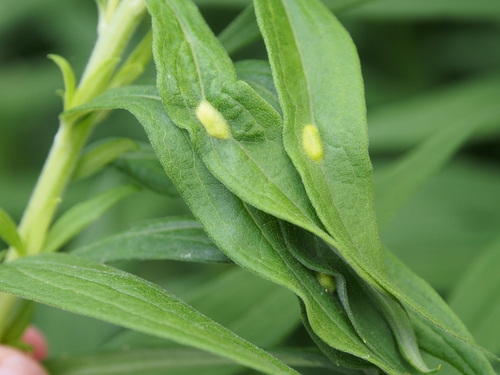
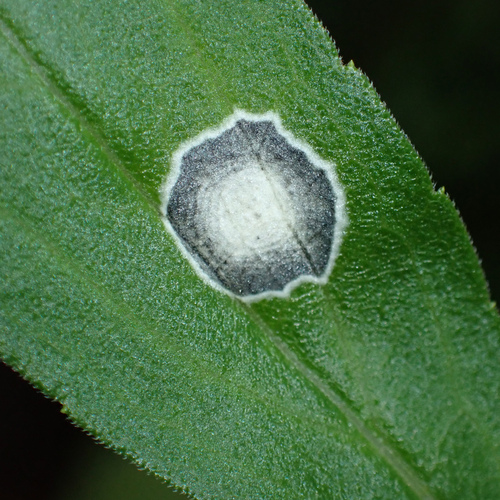
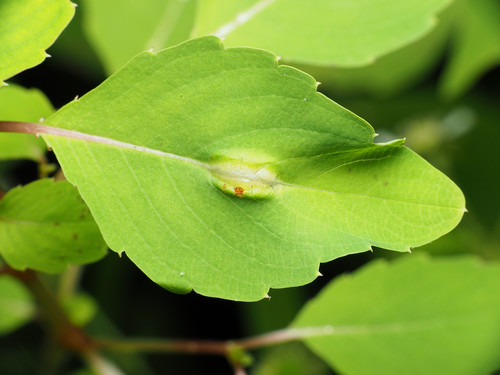
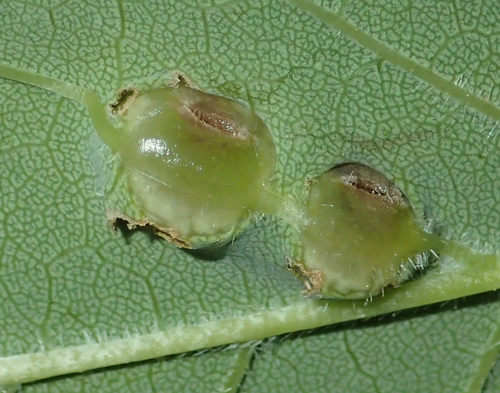
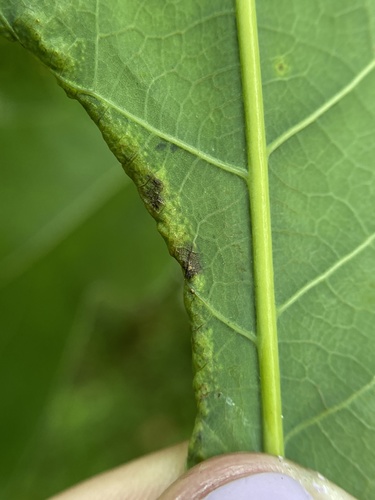
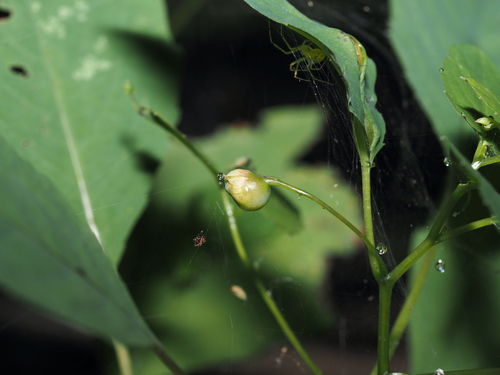
Asphondylia solidaginis is a species of gall midge (Cecidomyiidae) that induces galls on goldenrods in North America where it is widespread. It was first described by William Beutenmuller in 1907. This species is multivolitine, having several generations each year. Females in spring and early summer deposit eggs in the leaf buds of Solidago altissima and sometimes Solidago gigantea, leading to the development of galls on the leaves in which the fly larvae live and feed. These single-chambered galls appear as blisters on the leaves and typically join two (sometimes up to four) leaves together in a 'snap' gall, with one leaf forming the bottom of the gall and another leaf forming the top. Adults emerge from the galls in June and July.

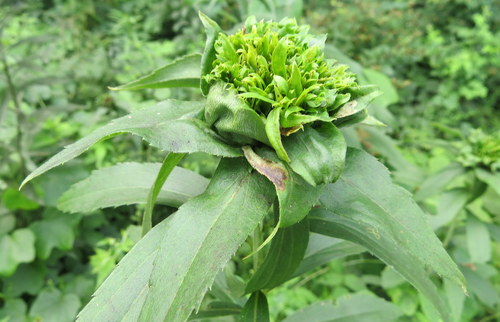
Later in the summer leafy rosette galls are formed from buds of Solidago altissima; this species is not known to induce such late-season galls on Solidago gigantea. These rosette galls are 3-5 centimeters in diameter with a single chamber at the center in which the larvae live.

Similar 'snap' and rosette galls are induced on other goldenrod species by other Asphondylia species. Adults are very similar in appearance to Asphondylia monacha but the shape of the pupae differ between the two species.

Another gall midge, Youngomyia podophyllae, has been found in the galls of Asphondylia solidaginis but it is not known if it acts as an inquiline or as a parasitoid. Wikipedia →

Global Distribution

Parks Where Found

# Park Country Daily sighting probability

More parks will be added in future updates.

Cities Where Found

# City Country Daily sighting probability
1 Boston 🇺🇸 United States
<5%
2 Chicago 🇺🇸 United States
<5%
3 Washington 🇺🇸 United States
<5%
4 Toronto 🇨🇦 Canada
<5%

Before you go

What are the chances of seeing an Asphondylia solidaginis in Boston?

Rare

Under 5% of wildlife watchers report an Asphondylia solidaginis sighting in Boston on a given day, based on 20 verified sightings from GBIF citizen-science data. It is the 512th most-seen of the 1200 insects we can rate there. Over three days the chance rises to about 10%, and over a week to about 20%, if each day is a fresh chance.

When is the best time to see an Asphondylia solidaginis in Boston?

Any time of year

In every month with enough records, under 5% of wildlife watchers report an Asphondylia solidaginis in Boston on a given day, so our monthly data shows no clear season.

Is Boston the best place to see an Asphondylia solidaginis?

Yes

Of the 4 cities where we can rate Asphondylia solidaginis sightings, Boston has the highest daily chance: under 5%. Next come Chicago (United States, under 5%) and Washington (United States, under 5%).

Which relatives of the Asphondylia solidaginis live in Boston?

Same family: Cecidomyiidae

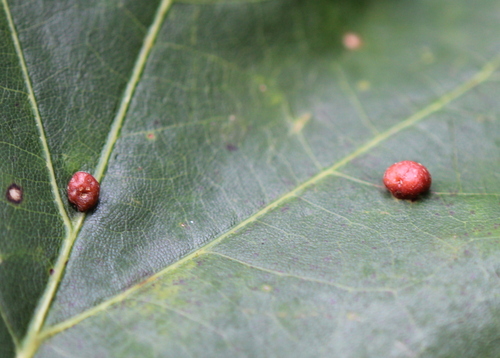
The closest relatives of the Asphondylia solidaginis that you can see in Boston (family Cecidomyiidae, Gall and Forest Midges) are Carbonifera Goldenrod Gall Midge (about 10%) and Oak Leaf Gall Midge (about 10%), with each one's daily chance of a sighting.

Where does the Asphondylia solidaginis sighting chance come from?

GBIF citizen-science records

It is estimated from how often the Asphondylia solidaginis is recorded against all the insects logged in Boston (20 verified sightings), calibrated against known sighting rates. Figures are rounded to the nearest 10% because citizen-science data supports honest approximations, not decimals, and months with records from fewer than five people show "—". How it works.

← Back to Boston