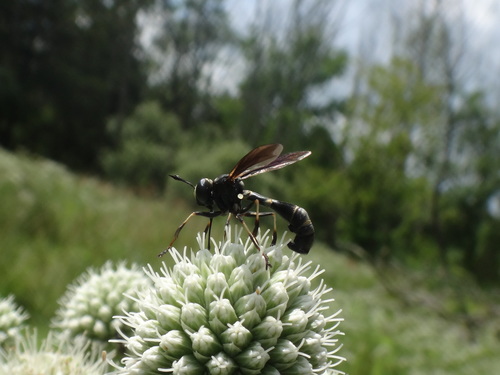
Black Blow Fly

Black Blow Fly

Phormia regina

Daily sighting probability <5% · Rare
at Boston

In 3 days ~10% in a week ~20%

14 Verified sightings at Boston
March Best month

About the Black Blow Fly

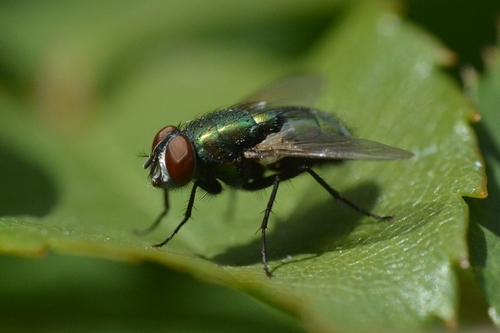
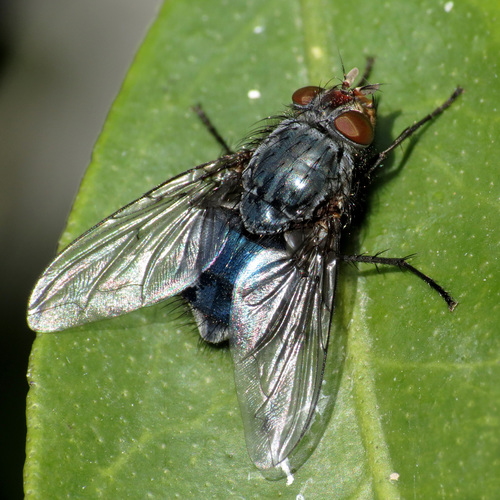
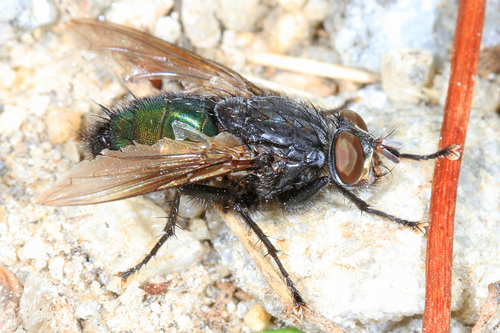
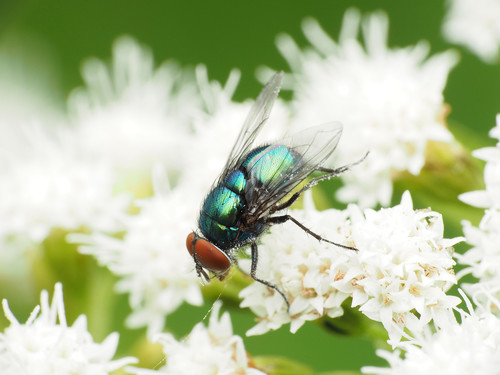
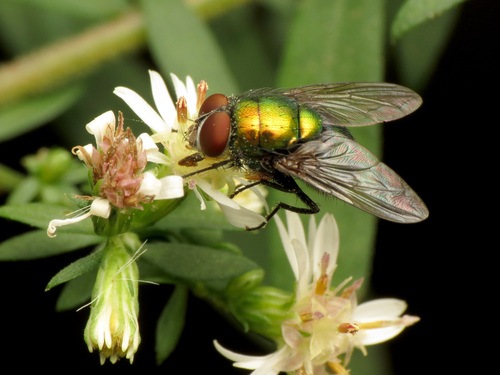
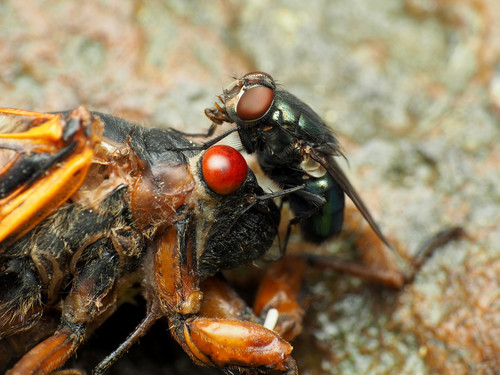
Phormia regina, the black blow fly, belongs to the blow fly family Calliphoridae and was first described by Johann Wilhelm Meigen. It is the only species in the genus Phormia. The black blow fly's wings are specialized with a sharp bend. These flies also have well-developed calypters. Blow flies generally are about the size of a house fly or a little larger, and many are metallic blue or green in color. Key characteristics of this species include black gena, mostly white calypters, and anterior thoracic spiracles that appear to be orange yellow due to being surrounded by bright orange setae.

Phormia regina is especially important to forensic entomology. Female P. regina, like other blow flies in the family Calliphoridae, oviposit their eggs on carrion, where they hatch. The larvae develop through three instar stages until pupation. Adult black blow flies aggregate on feces in order to mate. The success of these mating interactions has been studied and appears to be related to size and diet of the adult flies. Following successful mating encounters, the adult females are then attracted to decaying material rather quickly for oviposition, allowing forensic entomologists to use development stages of larvae as a clue in determining an approximate time of death. P. regina are extremely common in the United States and other areas in North America. Combined with their importance in forensic entomology, these flies have been relatively well studied, particularly for variables affecting their development. Wikipedia →
Global Distribution

Parks Where Found

# Park Country Daily sighting probability

More parks will be added in future updates.

Cities Where Found

# City Country Daily sighting probability
1 Baltimore 🇺🇸 United States
<5%
2 Boston 🇺🇸 United States
<5%
3 Washington 🇺🇸 United States
<5%
4 Chicago 🇺🇸 United States
<5%
5 New York City 🇺🇸 United States
<5%
6 Toronto 🇨🇦 Canada
<5%

Before you go

What are the chances of seeing a Black Blow Fly in Boston?

Rare

Under 5% of wildlife watchers report a Black Blow Fly sighting in Boston on a given day, based on 14 verified sightings from GBIF citizen-science data. It is the 668th most-seen of the 1200 insects we can rate there. Over three days the chance rises to about 10%, and over a week to about 20%, if each day is a fresh chance.

When is the best time to see a Black Blow Fly in Boston?

March

In that month about 10% of wildlife watchers report a Black Blow Fly in Boston on a given day, against under 5% in April to February, the lowest months.

Is Boston the best place to see a Black Blow Fly?

Among the best

Of the 6 cities where we can rate Black Blow Fly sightings, Boston ranks 2nd at under 5%, level with the leaders once rounded. The best odds are in Baltimore (United States, under 5%).

Where does the Black Blow Fly sighting chance come from?

GBIF citizen-science records

It is estimated from how often the Black Blow Fly is recorded against all the insects logged in Boston (14 verified sightings), calibrated against known sighting rates. Figures are rounded to the nearest 10% because citizen-science data supports honest approximations, not decimals, and months with records from fewer than five people show "—". How it works.

← Back to Boston