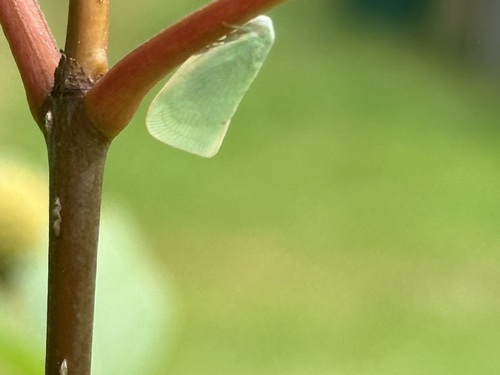
Elongate Hemlock Scale

Elongate Hemlock Scale

Fiorinia externa

Daily sighting probability <5% · Rare
at Boston

In 3 days ~10% in a week ~30%

42 Verified sightings at Boston
February Best month

About the Elongate Hemlock Scale

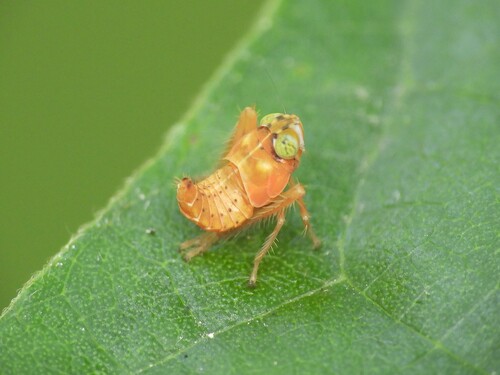
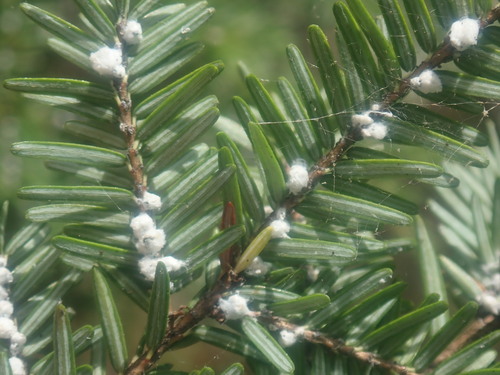
Fiorinia externa, the elongate hemlock scale, was accidentally introduced into North America from Japan and is now established in most parts of the north-eastern U.S. It has become a serious pest of hemlock (Tsuga) and some related conifers from the family Pinaceae. Dense colonies of the scale insect result in yellowing, shedding of leaves, dieback and occasional tree death.

Fiorinia externa is native to Japan and southern China. It was first reported on Tsuga from New York state in 1908. Compared to other invasive insects, it has spread slowly across the north-eastern U.S. and has reached Georgia in the south, as well as Michigan, Kentucky and Tennessee further west.

While F. externa has not been confirmed to be established in other areas, it is regarded as being of quarantine concern. For example, it has been recorded from other parts of North America like California and Florida on host cuttings. In England, it was reported on a single fir tree imported from the U.S., but subsequently died out on that tree.

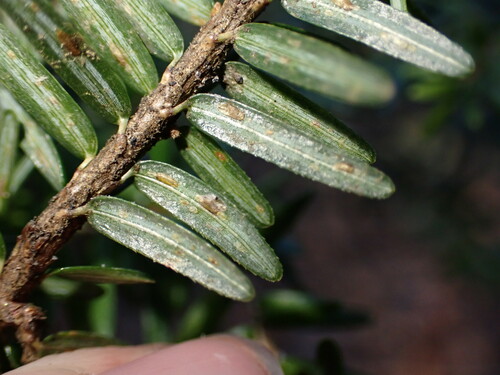
The adult female of Fiorinia externa is about 1 mm long. The scale cover of the second instar female is elongated, around 1.5 mm long and has... Wikipedia →
Global Distribution

Parks Where Found

# Park Country Daily sighting probability

More parks will be added in future updates.

Cities Where Found

# City Country Daily sighting probability
1 Boston 🇺🇸 United States
<5%
2 New York City 🇺🇸 United States
<5%

Before you go

What are the chances of seeing an Elongate Hemlock Scale in Boston?

Rare

Under 5% of wildlife watchers report an Elongate Hemlock Scale sighting in Boston on a given day, based on 42 verified sightings from GBIF citizen-science data. It is the 289th most-seen of the 1200 insects we can rate there. Over three days the chance rises to about 10%, and over a week to about 30%, if each day is a fresh chance.

When is the best time to see an Elongate Hemlock Scale in Boston?

December to April

In those months about 10% of wildlife watchers report an Elongate Hemlock Scale in Boston on a given day, against under 5% in May to November, the lowest months.

Is Boston the best place to see an Elongate Hemlock Scale?

Yes

Of the 2 cities where we can rate Elongate Hemlock Scale sightings, Boston has the highest daily chance: under 5%. Next come New York City (United States, under 5%).

Which relatives of the Elongate Hemlock Scale live in Boston?

Same order: Hemiptera

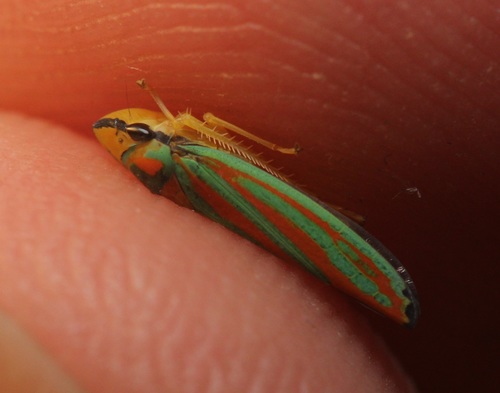
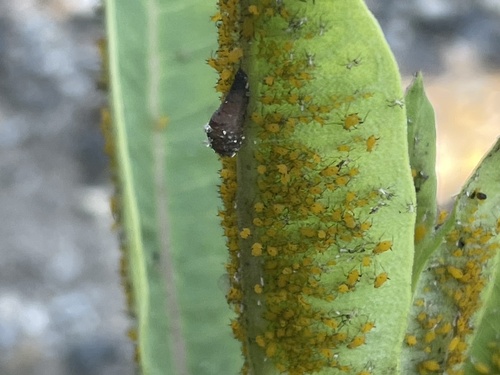
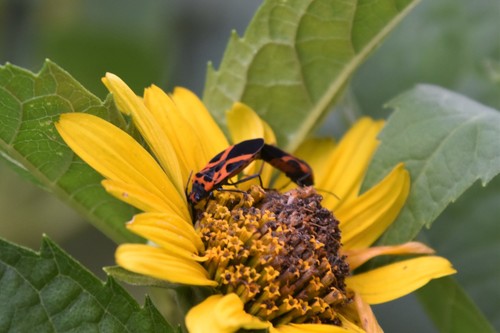
The closest relatives of the Elongate Hemlock Scale that you can see in Boston (order Hemiptera, True Bugs, Hoppers, Aphids, and allies) are False Milkweed Bug (about 20%), Red-Banded Leafhopper (about 20%) and Oleander Aphid (about 20%), with each one's daily chance of a sighting.

Where does the Elongate Hemlock Scale sighting chance come from?

GBIF citizen-science records

It is estimated from how often the Elongate Hemlock Scale is recorded against all the insects logged in Boston (42 verified sightings), calibrated against known sighting rates. Figures are rounded to the nearest 10% because citizen-science data supports honest approximations, not decimals, and months with records from fewer than five people show "—". How it works.

← Back to Boston