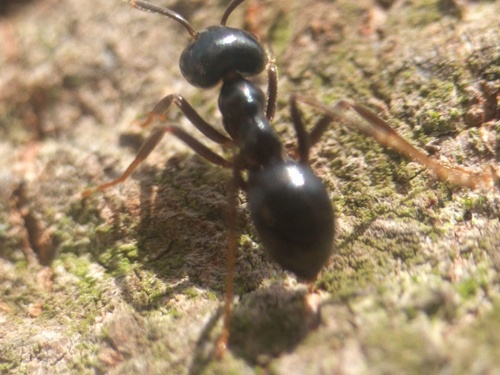
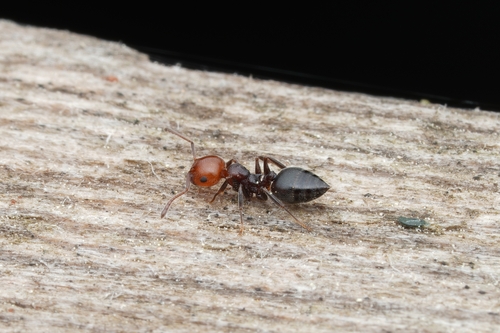

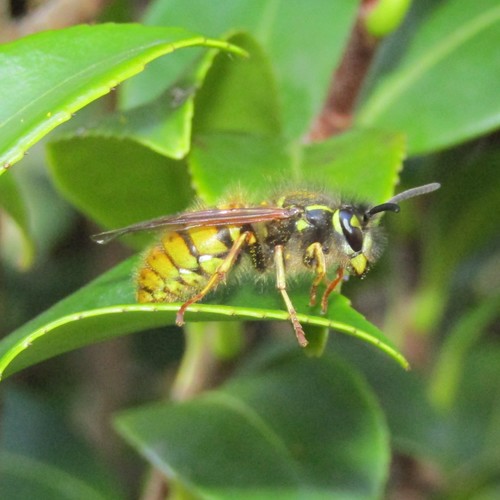
Woodlouse Ant

Woodlouse Ant

Myrmecina graminicola

Daily sighting probability <5% · Rare
at Brussels

In 3 days ~10% in a week ~30%

6 Verified sightings at Brussels
February Best month

About the Woodlouse Ant

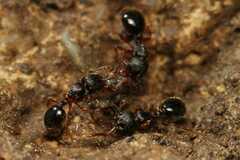
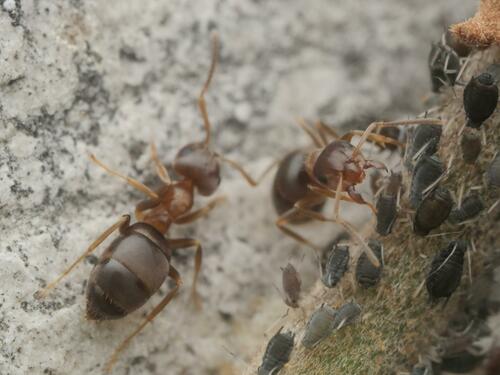
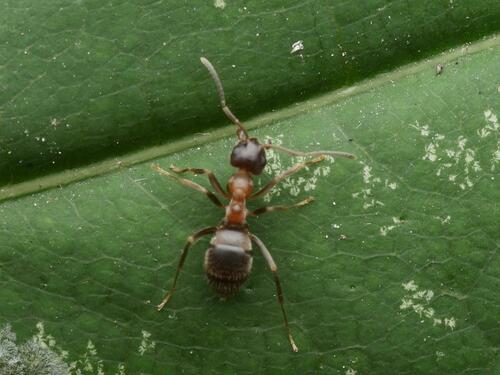
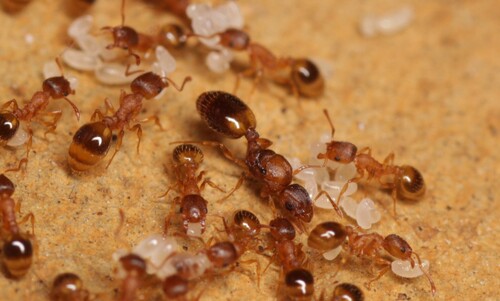
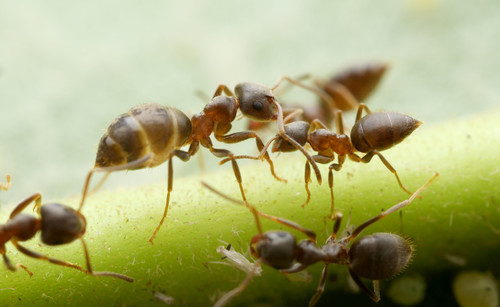
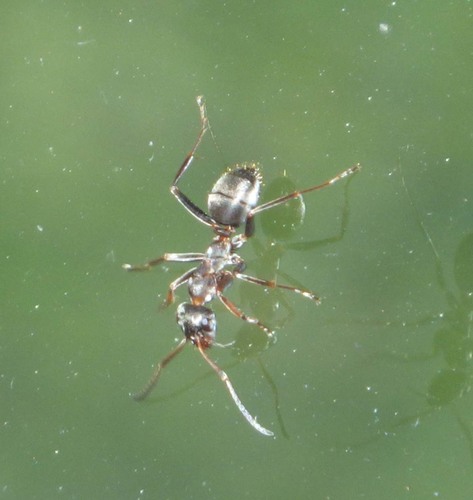
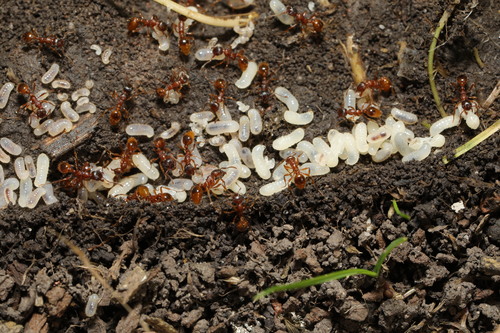
Myrmecina graminicola is a species of ant found throughout Northern Africa, Europe, Asia, and elsewhere in the Palearctic realm. Its colonies build nests in soil, under rocks, and in leaf litter. It was described in 1802 by Pierre André Latreille, initially in the genus Formica. They are not an aggressive species. When a worker encounters an intruder, it starts to play dead with its legs and antennae folded. They live in colonies that have less than 100 workers and one queen. Before mating, the female ant releases a pheromone that the male ant is attracted to this and the mating then occurs seconds after. The ant colonies move around following the queen's pheromone trail.

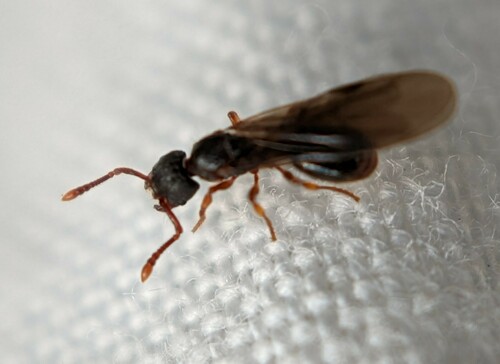
Male Myrmecina graminicola ants have been observed flying at high elevations (between 5 and 20 meters above the ground) during their mating flights, which is unusual for a species that normally nests and forages near the soil surface. Recent research has also identified several distinctive morphological traits in males, including a small hook-shaped structure on the dorsum and the absence of spurs on the middle and hind legs, features that help differentiate them from other species within the same genus. Wikipedia →

Global Distribution

Parks Where Found

# Park Country Daily sighting probability

More parks will be added in future updates.

Cities Where Found

# City Country Daily sighting probability
1 Brussels 🇧🇪 Belgium
<5%
2 London 🇬🇧 United Kingdom
<5%
3 Paris 🇫🇷 France
<5%

Before you go

What are the chances of seeing a Woodlouse Ant in Brussels?

Rare

Under 5% of wildlife watchers report a Woodlouse Ant sighting in Brussels on a given day, based on 6 verified sightings from GBIF citizen-science data. It is the 260th most-seen of the 337 insects we can rate there. Over three days the chance rises to about 10%, and over a week to about 30%, if each day is a fresh chance.

When is the best time to see a Woodlouse Ant in Brussels?

February–April and August–September

In those months about 10% of wildlife watchers report a Woodlouse Ant in Brussels on a given day, against under 5% in May–July and October–January, the lowest months.

Is Brussels the best place to see a Woodlouse Ant?

Yes

Of the 3 cities where we can rate Woodlouse Ant sightings, Brussels has the highest daily chance: under 5%. Next come London (United Kingdom, under 5%) and Paris (France, under 5%).

Where does the Woodlouse Ant sighting chance come from?

GBIF citizen-science records

It is estimated from how often the Woodlouse Ant is recorded against all the insects logged in Brussels (6 verified sightings), calibrated against known sighting rates. Figures are rounded to the nearest 10% because citizen-science data supports honest approximations, not decimals, and months with records from fewer than five people show "—". How it works.

← Back to Brussels