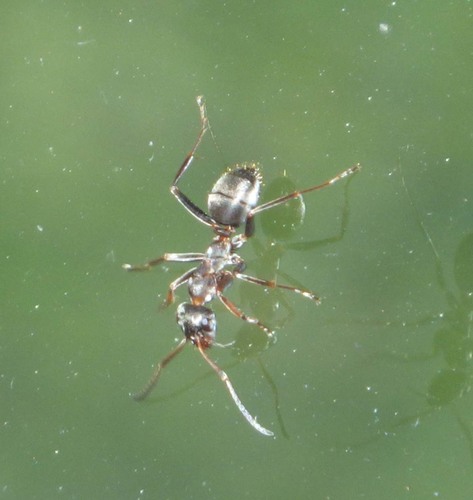
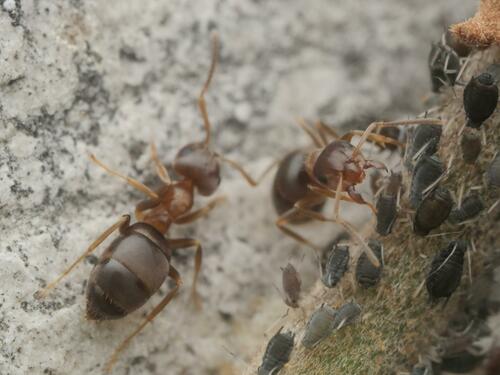
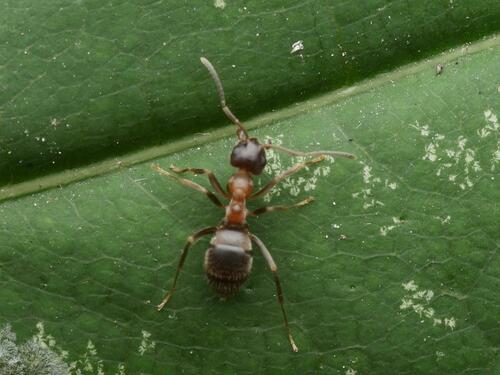
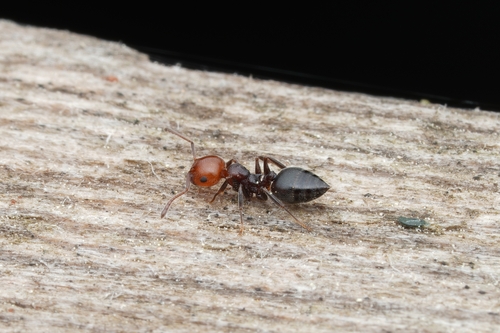

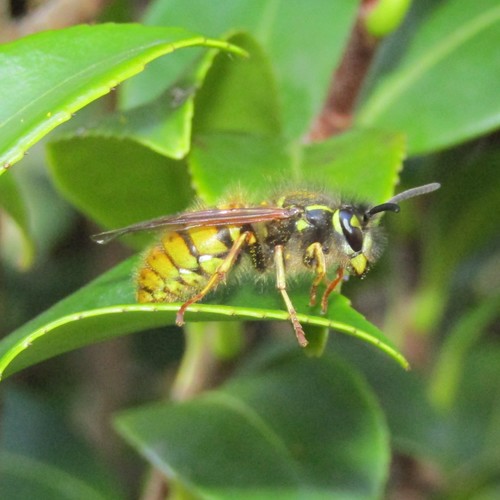
Formica cunicularia
Daily sighting probability ~10% · With luck
at Brussels

In 3 days ~20% in a week ~30%

18 Verified sightings at Brussels
6 In 1 park From 2019 to 2026
August Best month
🌅 Crepuscular When it's spotted

About the Formica cunicularia

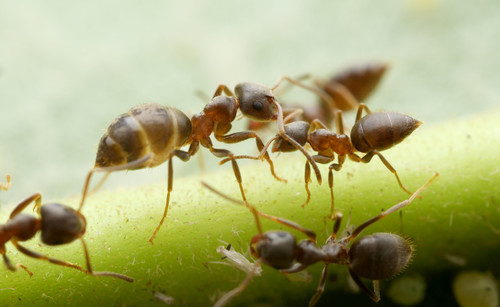
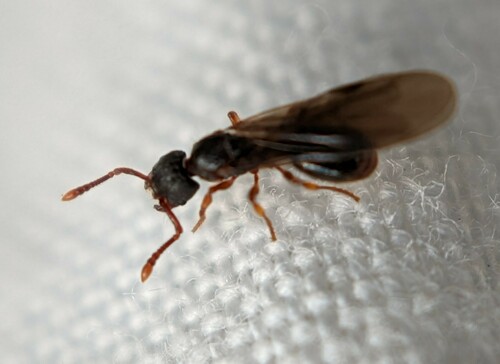
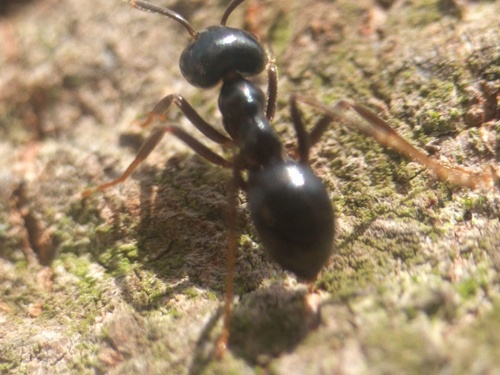
Formica cunicularia is a species of ant found all over Europe. They are especially common in western Europe and southern England, but they can be found from southern Scandinavia to northern Africa and from Portugal to the Urals. In England, Donisthorpe records the species as having occurred as far north as Bewdley in Worcestershire. In Formica cunicularia, the worker is an ashy grey black color and is usually 4.0–6.5 mm long. The males are found to have a uniformly dark body and are 8.0–9.0 mm long. The queen is yellowish red to dark black and is 7.5–9.0 mm.

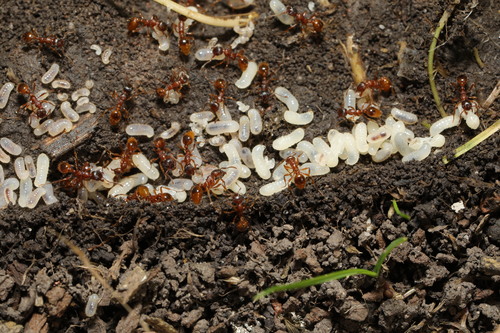
F. cunicularia has habitat ranging from open to relatively cluttered to visually rich. In Finland, Albrecht found that all nests were small, with single entrances in dry, hot environments with low vegetation. They nest under stones or in small earth mounds. Nests are usually separate, containing one queen. F. cunicularia, unlike most other Formica fusca-group species, can form noticeable hillocks over its nests, and in addition to these produces rufibarbis-like runs in the vicinity of its nest.

When found in arid and semi-arid regions, these ants feed primarily on seeds and as such, their anthills have... Wikipedia →

Global Distribution

Parks Where Found

# Park Country Daily sighting probability
1 Pyrénées National Park 🇫🇷 France
<5%

More parks will be added in future updates.

Cities Where Found

# City Country Daily sighting probability
1 Brussels 🇧🇪 Belgium
~10%
2 Budapest 🇭🇺 Hungary
~10%
3 Cologne 🇩🇪 Germany
<5%
4 Paris 🇫🇷 France
<5%
5 Madrid 🇪🇸 Spain
<5%
6 London 🇬🇧 United Kingdom
<5%
7 Vienna 🇦🇹 Austria
<5%

Before you go

What are the chances of seeing a Formica cunicularia in Brussels?

With luck

About 10% of wildlife watchers report a Formica cunicularia sighting in Brussels on a given day, based on 18 verified sightings from GBIF citizen-science data. It is the 181st most-seen of the 337 insects we can rate there. Over three days the chance rises to about 20%, and over a week to about 30%, if each day is a fresh chance.

When is the best time to see a Formica cunicularia in Brussels?

February, April, August and October

In those months about 10% of wildlife watchers report a Formica cunicularia in Brussels on a given day, against under 5% in March, May–July, September and November–January, the lowest months.

What time of day is best to see a Formica cunicularia?

Between 11 am and 2 pm

Across all the parks we cover, that three-hour window holds the most Formica cunicularia sightings with a recorded time, and about 7 in 10 of them come between 6 am and 6 pm: it is most active around dawn and dusk.

Is Brussels the best place to see a Formica cunicularia?

Yes

Of the 7 cities where we can rate Formica cunicularia sightings, Brussels has the highest daily chance: about 10%. Next come Budapest (Hungary, about 10%) and Cologne (Germany, under 5%).

Where does the Formica cunicularia sighting chance come from?

GBIF citizen-science records

It is estimated from how often the Formica cunicularia is recorded against all the insects logged in Brussels (18 verified sightings), calibrated against known sighting rates. Figures are rounded to the nearest 10% because citizen-science data supports honest approximations, not decimals, and months with records from fewer than five people show "—". How it works.

← Back to Brussels