Black Garden Ant
Daily sighting probability ~10% · With luck
at Brussels

In 3 days ~20% in a week ~30%

14 Verified sightings at Brussels
October Best month

About the Black Garden Ant

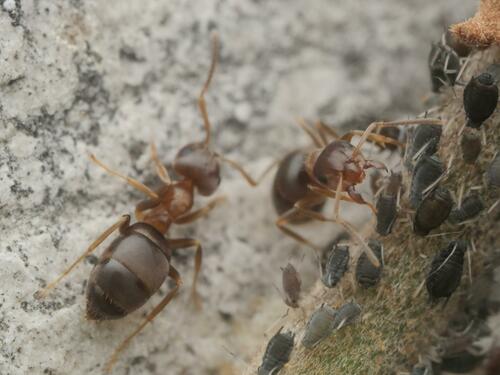
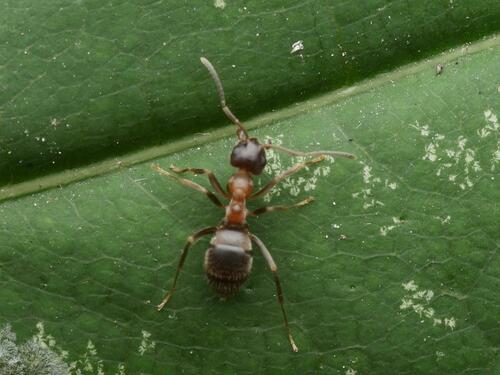
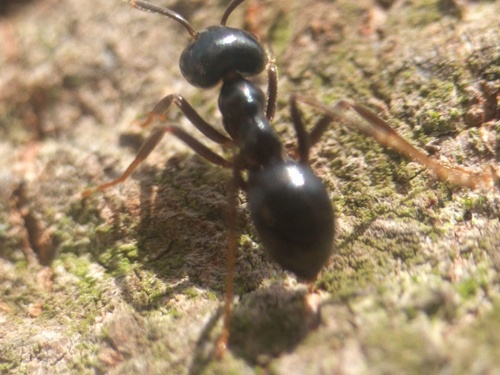
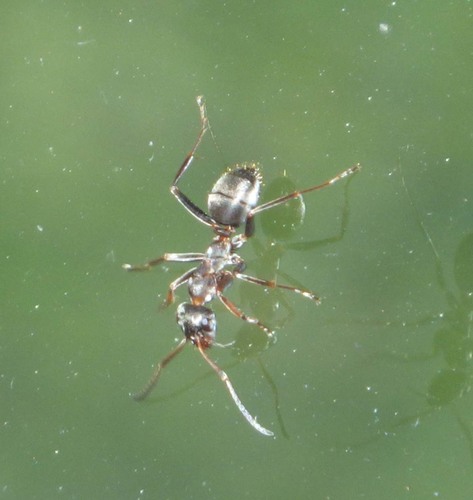
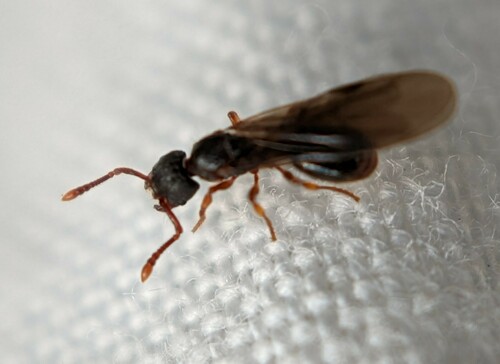
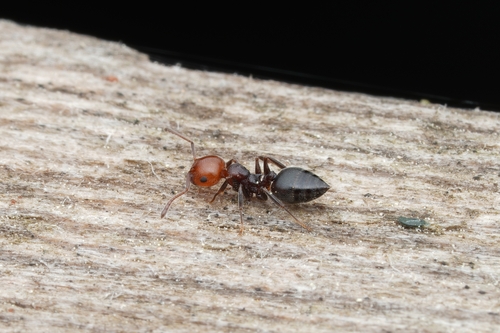
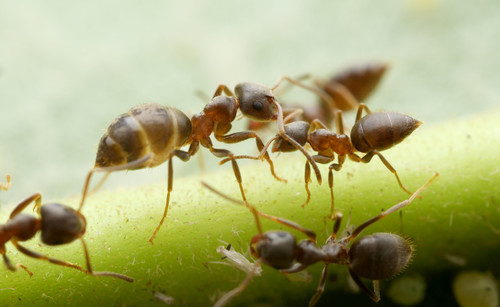
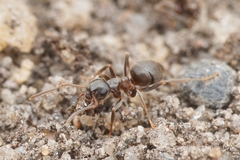
The black garden ant (Lasius niger), also known as the common black ant, is a formicine ant, the type species of the genus Lasius, which is found across Europe and in some parts of North America, and believed to inhabit certain parts of Asia. The European species was split into two species; L. niger, which is found in open areas; and L. platythorax, which is found in forest habitats. It is monogynous, meaning colonies contain a single queen.

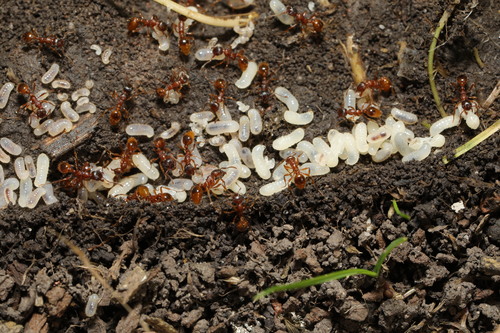
Lasius niger colonies normally range from 4,000 to 7,000 workers, but can reach 40,000 in rare cases. An L. niger queen can live for up to 29 years, the longest recorded lifespan for any eusocial insect. Lasius niger queens in the early stages of founding can have two to three other queens in the nest. They will tolerate each other until the first workers come, then it is most likely they will fight until one queen remains. Under laboratory conditions, workers can live at least four years.

Lasius niger is host to the silver-studded blue butterfly Plebejus argus; it is also host to a number of temporary social parasites of the Lasius mixtus group, including Lasius mixtus and Lasius umbratus. Wikipedia →
Global Distribution

Parks Where Found

# Park Country Daily sighting probability

More parks will be added in future updates.

Cities Where Found

# City Country Daily sighting probability
1 Brussels 🇧🇪 Belgium
~10%
2 Dublin 🇮🇪 Ireland
~10%
3 Vancouver 🇨🇦 Canada
<5%
4 Helsinki 🇫🇮 Finland
<5%
5 London 🇬🇧 United Kingdom
<5%
6 Nizhny Novgorod 🇷🇺 Russia
<5%
7 Berlin 🇩🇪 Germany
<5%
8 Copenhagen 🇩🇰 Denmark
<5%
9 Paris 🇫🇷 France
<5%
10 Vienna 🇦🇹 Austria
<5%

Before you go

What are the chances of seeing a Black Garden Ant in Brussels?

With luck

About 10% of wildlife watchers report a Black Garden Ant sighting in Brussels on a given day, based on 14 verified sightings from GBIF citizen-science data. It is the 165th most-seen of the 337 insects we can rate there. Over three days the chance rises to about 20%, and over a week to about 30%, if each day is a fresh chance.

When is the best time to see a Black Garden Ant in Brussels?

February, April–May and August–October

In those months about 10% of wildlife watchers report a Black Garden Ant in Brussels on a given day, against under 5% in March, June–July and November–January, the lowest months.

Is Brussels the best place to see a Black Garden Ant?

Yes

Of the 13 cities where we can rate Black Garden Ant sightings, Brussels has the highest daily chance: about 10%. Next come Dublin (Ireland, about 10%) and Vancouver (Canada, under 5%).

Which relatives of the Black Garden Ant live in Brussels?

Same genus: Lasius

The closest relatives of the Black Garden Ant that you can see in Brussels (genus Lasius, Citronella Ants, Fuzzy Ants, and Allies) are Brown Tree Ant (about 10%) and Central European Bicolored Ant (about 10%), with each one's daily chance of a sighting.

Where does the Black Garden Ant sighting chance come from?

GBIF citizen-science records

It is estimated from how often the Black Garden Ant is recorded against all the insects logged in Brussels (14 verified sightings), calibrated against known sighting rates. Figures are rounded to the nearest 10% because citizen-science data supports honest approximations, not decimals, and months with records from fewer than five people show "—". How it works.

← Back to Brussels