Scarce Chaser

Scarce Chaser

Libellula fulva

Daily sighting probability ~10% · With luck
at Budapest

In 3 days ~20% in a week ~40%

11 Verified sightings at Budapest
56 In all 4 parks From 2019 to 2026
June Best month
☀️ Diurnal When it's spotted

About the Scarce Chaser

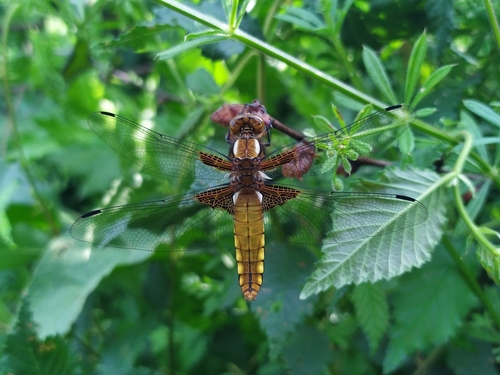
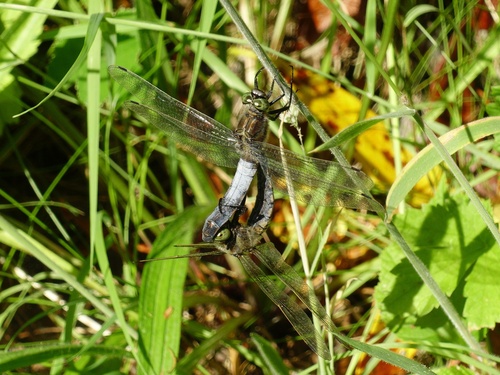
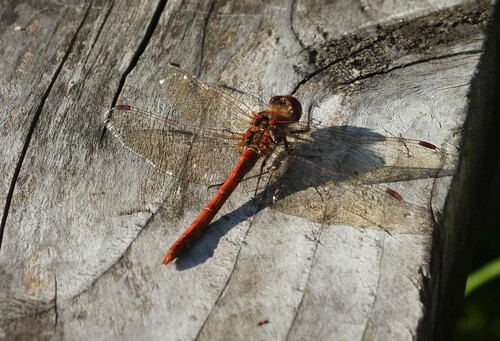
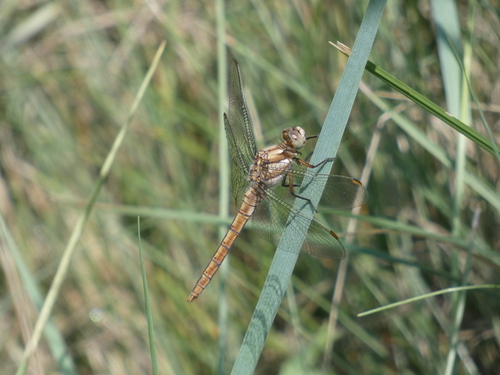
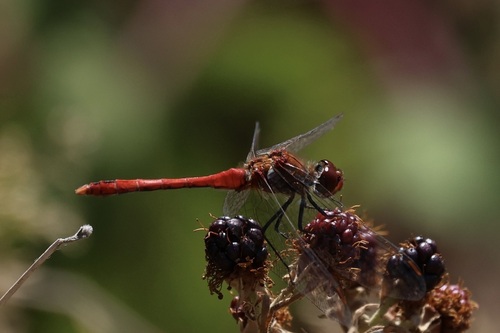
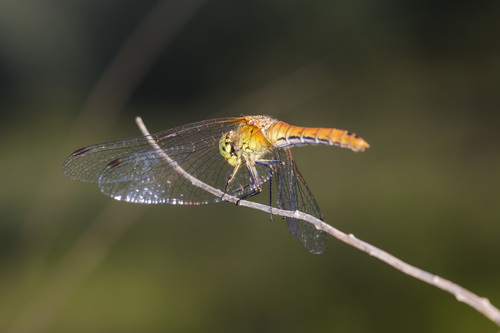
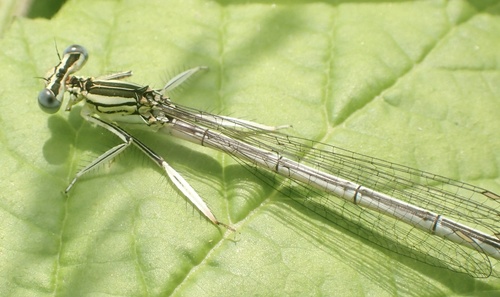
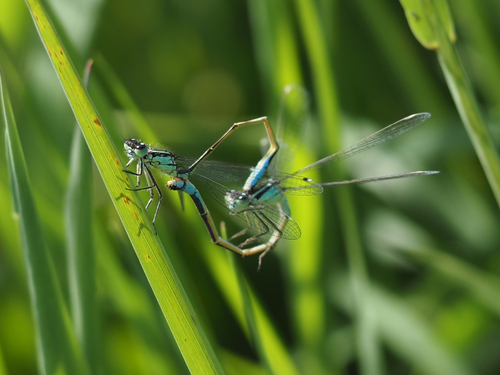
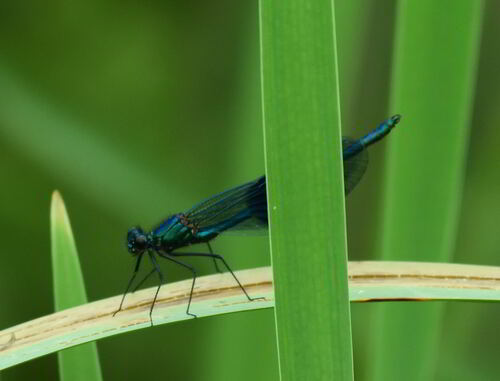
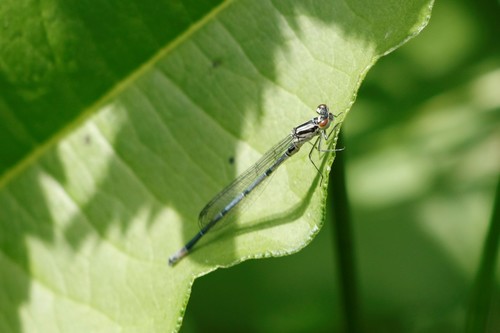
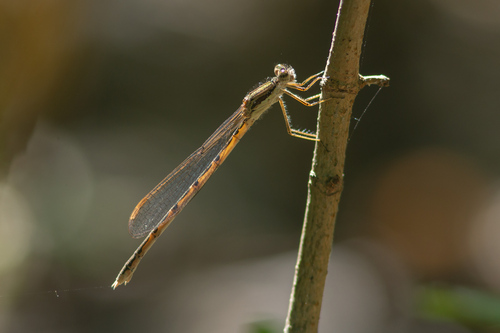
The scarce chaser (Libellula fulva) is a species of dragonfly. The adult male has a bright blue abdomen with patches of black, while the adult female and juvenile male each have a bright orange abdomen. It is about 45 mm in length with an average wingspan of 74 mm. It is distributed throughout Europe. This dragonfly is considered a species of special concern in Great Britain due to loss of its specific ideal habitat.

This species lives on floodplains and marshes with dense, abundant vegetation, and females deposit their eggs in slow-current streams. Once deposited by the female, the eggs lie embedded in the mud of the riverbed and the larvae develop underwater for usually two years. Adults live from May to August, during which time they mate and lay eggs.

"Scarce Chaser". British Dragonfly Society. Retrieved 29 September 2011. Wikipedia →

Global Distribution

Parks Where Found

# Park Country Daily sighting probability
1 Plitvice Lakes National Park 🇭🇷 Croatia
~40%
2 Biebrza National Park 🇵🇱 Poland
~20%
3 Białowieża National Park 🇵🇱 Poland
~10%
4 Fertő-Hanság National Park 🇭🇺 Hungary
~10%

Cities Where Found

# City Country Daily sighting probability
1 Brussels 🇧🇪 Belgium
~20%
2 Kharkiv 🇺🇦 Ukraine
~10%
3 Rostov-on-Don 🇷🇺 Russia
~10%
4 Paris 🇫🇷 France
~10%
5 Kyiv 🇺🇦 Ukraine
~10%
6 Vienna 🇦🇹 Austria
~10%
7 Milan 🇮🇹 Italy
~10%
8 Budapest 🇭🇺 Hungary
~10%
9 Berlin 🇩🇪 Germany
~10%
10 Nizhny Novgorod 🇷🇺 Russia
<5%

Before you go

What are the chances of seeing a Scarce Chaser in Budapest?

With luck

About 10% of wildlife watchers report a Scarce Chaser sighting in Budapest on a given day, based on 11 verified sightings from GBIF citizen-science data. It is the 261st most-seen of the 404 insects we can rate there. Over three days the chance rises to about 20%, and over a week to about 40%, if each day is a fresh chance.

When is the best time to see a Scarce Chaser in Budapest?

May to July

In those months about 10% of wildlife watchers report a Scarce Chaser in Budapest on a given day, against under 5% in August to April, the lowest months.

What time of day is best to see a Scarce Chaser?

Between 11 am and 2 pm

Across all the parks we cover, that three-hour window holds the most Scarce Chaser sightings with a recorded time, and nearly all of them come between 6 am and 6 pm: it is a daytime animal.

Is Budapest the best place to see a Scarce Chaser?

8th of 13

Of the 13 cities where we can rate Scarce Chaser sightings, Budapest ranks 8th at about 10%. The best odds are in Brussels (Belgium, about 20%), Kharkiv (Ukraine, about 10%) and Rostov-on-Don (Russia, about 10%).

Where does the Scarce Chaser sighting chance come from?

GBIF citizen-science records

It is estimated from how often the Scarce Chaser is recorded against all the insects logged in Budapest (11 verified sightings), calibrated against known sighting rates. Figures are rounded to the nearest 10% because citizen-science data supports honest approximations, not decimals, and months with records from fewer than five people show "—". How it works.
← Back to Budapest