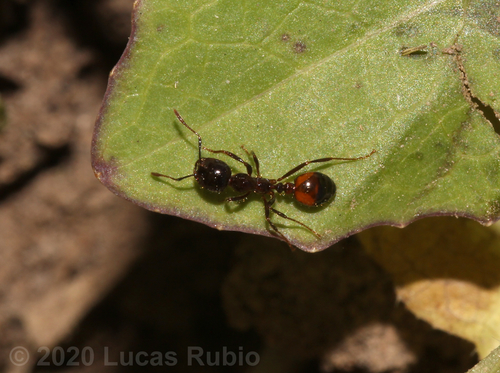
Black Imported Fire Ant

Black Imported Fire Ant

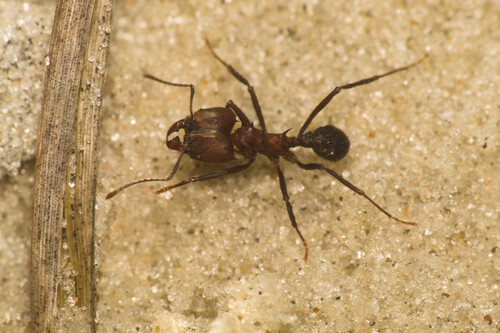
Solenopsis richteri

Daily sighting probability <5% · Rare
at Buenos Aires

In 3 days ~10% in a week ~20%

8 Verified sightings at Buenos Aires
August Best month

About the Black Imported Fire Ant

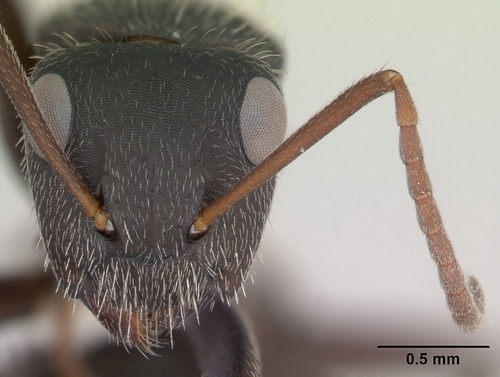
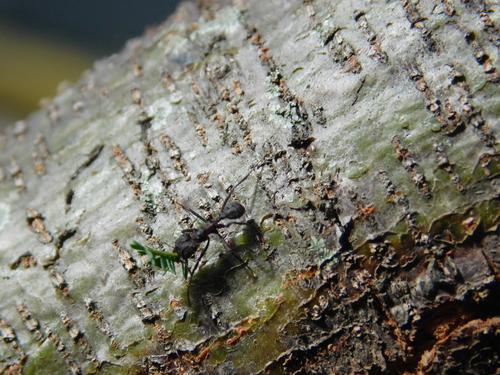
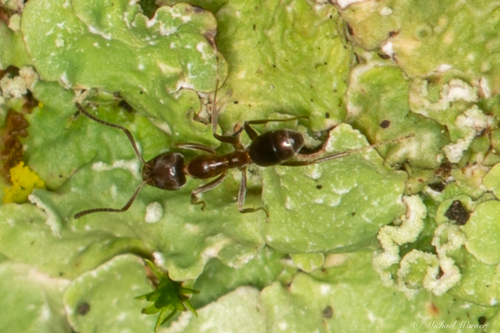
The black imported fire ant (Solenopsis richteri), often abbreviated as BIFA, is a species of ant in the genus Solenopsis (fire ants). It was long thought to either be a subspecies or a color variation of Solenopsis invicta (the red imported fire ant, or simply RIFA), but is now recognized as its own species, with a demonstratively different range and living habits. BIFA seem to be more tolerant of cold, and a less dominant species than RIFA. The BIFA's higher body content of water than the RIFA might be related to their difference of living regions.

The species is native to South America, but has been introduced to North America. In the United States, the official assessment is that BIFA are limited to extreme northeastern Mississippi, northwestern Alabama and a few southern counties in Tennessee, though this may reflect underestimation of their range. Since the 2013 records, this species has been collected in NE Arkansas in several Craighead County localities. These collections are presumably the result of recent landscaping of new construction projects.

All stings of imported fire ants will produce a sterile pustule that is helpful in distinguishing them from the stings or bites of other insects. Pustules are surrounded by reddened swelling (wheal) with the redness (erythema) extending beyond (flare). The extent of reaction to imported fire ant stings is variable depending on the quantity of allergic (IgE) antibodies an individual has already formed. There may also be differences in the venom from the two species that result in more pronounced wheal and flare formation after stings from BIFA. Wikipedia →
Global Distribution

Parks Where Found

# Park Country Daily sighting probability

More parks will be added in future updates.

Cities Where Found

# City Country Daily sighting probability
1 Buenos Aires 🇦🇷 Argentina
<5%

Before you go

What are the chances of seeing a Black Imported Fire Ant in Buenos Aires?

Rare

Under 5% of wildlife watchers report a Black Imported Fire Ant sighting in Buenos Aires on a given day, based on 8 verified sightings from GBIF citizen-science data. It is the 425th most-seen of the 558 insects we can rate there. Over three days the chance rises to about 10%, and over a week to about 20%, if each day is a fresh chance.

When is the best time to see a Black Imported Fire Ant in Buenos Aires?

Any time of year

In every month with enough records, under 5% of wildlife watchers report a Black Imported Fire Ant in Buenos Aires on a given day, so our monthly data shows no clear season.

Where else can you see a Black Imported Fire Ant?

Only Buenos Aires, in our data

Buenos Aires is the only city on Wallace's Line with enough records to rate Black Imported Fire Ant sightings: under 5% of wildlife watchers there report one on a given day.

Which relatives of the Black Imported Fire Ant live in Buenos Aires?

Same family: Formicidae

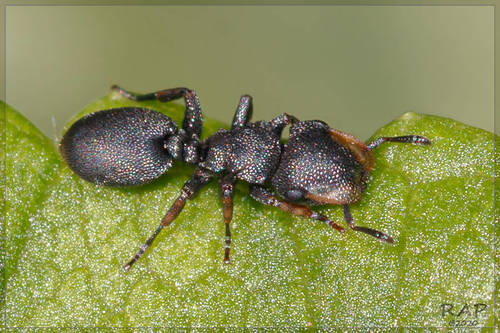
The closest relatives of the Black Imported Fire Ant that you can see in Buenos Aires (family Formicidae, Ants) are Camponotus mus (about 10%) and Cephalotes jheringi (about 10%), with each one's daily chance of a sighting.

Where does the Black Imported Fire Ant sighting chance come from?

GBIF citizen-science records

It is estimated from how often the Black Imported Fire Ant is recorded against all the insects logged in Buenos Aires (8 verified sightings), calibrated against known sighting rates. Figures are rounded to the nearest 10% because citizen-science data supports honest approximations, not decimals, and months with records from fewer than five people show "—". How it works.

← Back to Buenos Aires