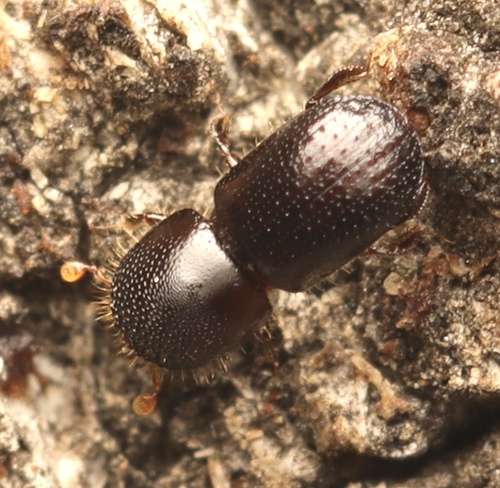
Polyphagous Shot Hole Borer

Polyphagous Shot Hole Borer

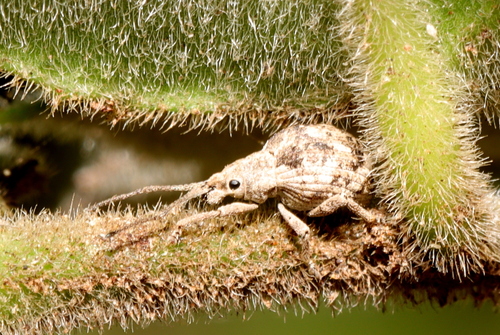
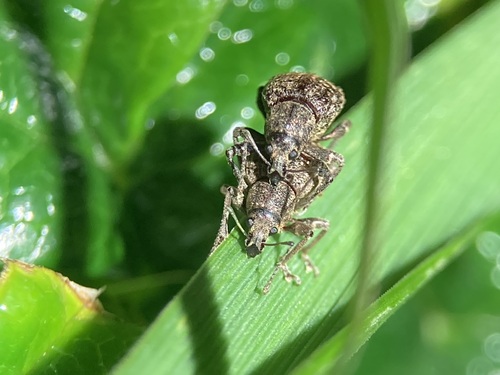
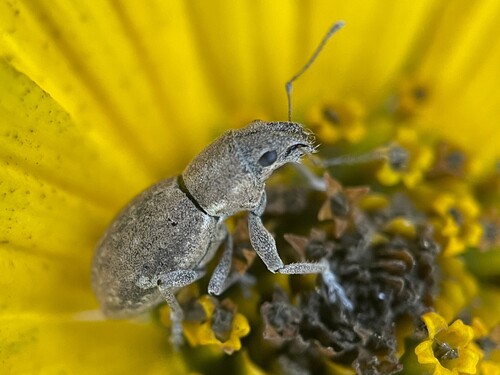
Euwallacea fornicatus

Daily sighting probability ~10% · With luck
at Cape Town

In 3 days ~20% in a week ~40%

169 Verified sightings at Cape Town
169 In 1 park From 2019 to 2026
February Best month
☀️ Diurnal When it's spotted

About the Polyphagous Shot Hole Borer

Euwallacea fornicatus, also known as tea shot-hole borer (TSHB) or polyphagous shot-hole borer (PSHB), is a species complex consisting of multiple cryptic species of ambrosia beetles known as an invasive species in California, Israel, South Africa, and Australia. The species has also been unintentionally introduced into exotic greenhouses in several European countries.

See Wallacea, region of Indonesian islands named after the naturalist Alfred Russel Wallace. Common names of the species include tea shot-hole borer and polyphagous shot-hole borer (PSHB). The tea shot-hole borer has been known to cause devastating damage to tea (Camellia sinensis) in at least ten countries, including India and Sri Lanka where it is a major economic pest.

Since 2007, specimens of E. fornicatus have been documented in Florida on avocado trees. However, it is not considered a health threat because no disease is expressed. In 2009, specimens matching the description for E. fornicatus were introduced into Israel, where they were documented as vectors of a new fungal plant pathogen in avocado trees. In 2012, similar fungal disease was recorded in avocado trees in... Wikipedia →
Global Distribution

Parks Where Found

# Park Country Daily sighting probability
1 Table Mountain National Park 🇿🇦 South Africa
~10%

More parks will be added in future updates.

Cities Where Found

# City Country Daily sighting probability
1 Cape Town 🇿🇦 South Africa
~10%

Before you go

What are the chances of seeing a Polyphagous Shot Hole Borer in Cape Town?

With luck

About 10% of wildlife watchers report a Polyphagous Shot Hole Borer sighting in Cape Town on a given day, based on 169 verified sightings from GBIF citizen-science data. It is the 59th most-seen of the 311 insects we can rate there. Over three days the chance rises to about 20%, and over a week to about 40%, if each day is a fresh chance.

When is the best time to see a Polyphagous Shot Hole Borer in Cape Town?

February

In that month about 20% of wildlife watchers report a Polyphagous Shot Hole Borer in Cape Town on a given day, against under 5% in June and August–October, the lowest months. That is one of Cape Town's driest months, with about 15 mm of rain against 140 mm in June.

What time of day is best to see a Polyphagous Shot Hole Borer?

Between 10 am and 1 pm

Across all the parks we cover, that three-hour window holds the most Polyphagous Shot Hole Borer sightings with a recorded time, and nearly all of them come between 6 am and 6 pm: it is a daytime animal.

Where else can you see a Polyphagous Shot Hole Borer?

Only Cape Town, in our data

Cape Town is the only city on Wallace's Line with enough records to rate Polyphagous Shot Hole Borer sightings: about 10% of wildlife watchers there report one on a given day.

Which relatives of the Polyphagous Shot Hole Borer live in Cape Town?

Same family: Curculionidae

The closest relatives of the Polyphagous Shot Hole Borer that you can see in Cape Town (family Curculionidae, True Weevils) are Gardenbane Weevil (about 10%) and Garden Weevil (about 10%), with each one's daily chance of a sighting.

Where does the Polyphagous Shot Hole Borer sighting chance come from?

GBIF citizen-science records

It is estimated from how often the Polyphagous Shot Hole Borer is recorded against all the insects logged in Cape Town (169 verified sightings), calibrated against known sighting rates. Figures are rounded to the nearest 10% because citizen-science data supports honest approximations, not decimals, and months with records from fewer than five people show "—". How it works.

← Back to Cape Town