City
Daejeon
🇰🇷 South Korea
Asia, South Korea 152 spp. recorded
Daejeon is South Korea's fifth-largest metropolis. Located in a central lowland valley between the Sobaek Mountains and the Geum River, the city is known both as a technology and research center, and for its close relationship with the natural environment. Daejeon is a major transportation hub, having developed as a railway town. Wikipedia
36.363° N 127.386° E
🦜 Nature

152 Species sighted
2,722 Verified sightings From 2019 to 2026
May Best month
⭐ Iconic Species




📊 Most Spotted







📊 Most Spotted

LC
 Eurasian Red Squirrel
Sciurus vulgaris

 Burunduk
Tamias sibiricus

LC
 Mainland Raccoon Dog
Nyctereutes procyonoides
LC
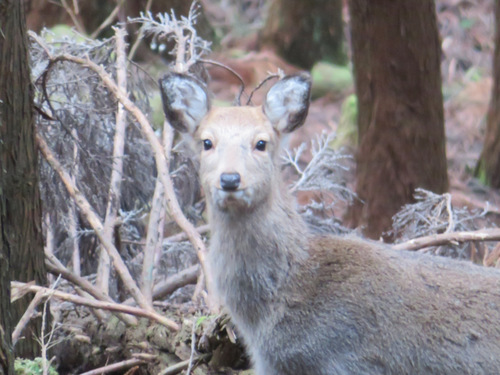
 Sika Deer
Cervus nippon

LC
Siberian Flying Squirrel
Pteromys volans
⭐ Iconic Species
📊 Most Spotted
📊 Most Spotted

LC
 Tiger Keelback
Rhabdophis tigrinus

LC
Mountain Grass Lizard
Takydromus wolteri

Short-tailed Mamushi
Gloydius brevicaudus

LC
 Steppe Rat Snake
Elaphe dione

Amur Softshell Turtle
Pelodiscus maacki

LC
Japanese Keelback
Hebius vibakari

LC
Amur Grass Lizard
Takydromus amurensis
📊 Most Spotted


LC
Japanese Tree Frog
Dryophytes japonicus
LC
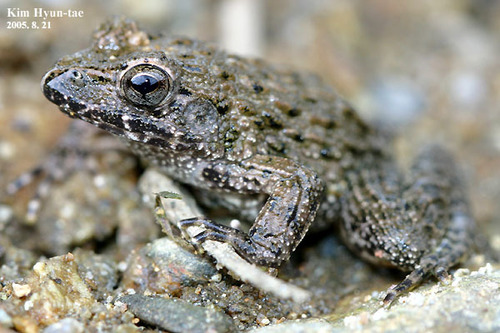
Imienpo Station frog
Glandirana emeljanovi

LC
Ueno's Brown Frog
Rana uenoi
📊 Most Spotted
⭐ Iconic Species
🌙 Most active after dark


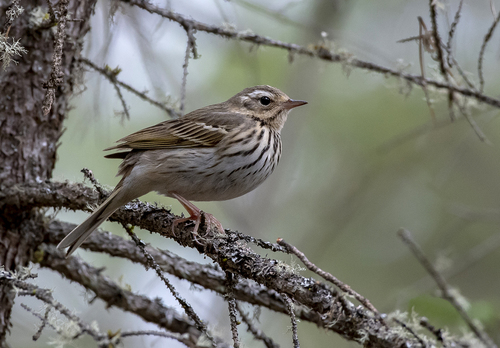

LC
Tiger Keelback
Rhabdophis tigrinus
LC
Mainland Raccoon Dog
Nyctereutes procyonoides

LC
 Taiga Flycatcher
Ficedula albicilla
LC
Sika Deer
Cervus nippon
Recent sightings in Daejeon
LIVEiNaturalistWhere to look
Warmer areas are where all species together are recorded most often.









Sighting Calendar
How many species you'd see in a day
23Jan
21Feb
23Mar
26Apr
32May
31Jun
29Jul
25Aug
25Sep
27Oct
22Nov
16Dec
🏙️ City
Essentials
Green cover
High
Protected land
3%
Protected sea
—
Protected areas
8
areasWildlife spots
3
spotsZoos & centres
0
placesClimate
Continental
World Heritage
No
Climate
Temp °C Rain mm
JanFebMarAprMayJunJulAugSepOctNovDec
0.0 Excellent
Wallace's Line Score
How good is this city for seeing wildlife? 🦜
Biodiversity
GoodHow rich is the wildlife?
3.2
Species by taxon
🦅 Birds 307
🐒 Mammals 63
🦎 Reptiles 23
🐸 Amphibians 17
410 Total Species
679 Global average across 380 cities
22 Threatened 0 Endemic
🔭
Sighting
Very goodHow likely to see animals?
4.3
🎯
Top-12 Avg Probability
73% 📊
Coverage (104 species at ≥5% of 410 in the inventory)
25% 🔀
Taxon variety in top 12 (12 bird)
0% 🌟
Iconic-group species (≥15%) (every species from the 19 iconic groups — monkeys, cats, toucans, macaws, sloths, crocodilians… — not just the 4 highlighted above)
1 ⭐
High-prob species (>40%)
18 🏕️
Experience
ExcellentHow easy and pleasant is the visit?
4.2
Climate Mixed Medium
Green cover High High
Protected land & sea 3% land Medium
Protected areas 8 High
Wildlife spots 3 Medium
Zoos & centres 0 Low
What visitors say
Before you go
What animals can you see in Daejeon?
152 species
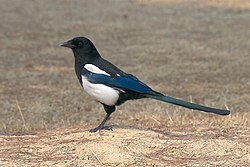
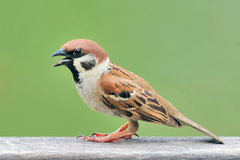
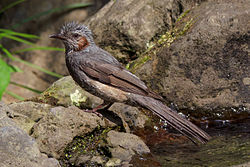
Daejeon's urban area has 152 recorded vertebrate species. The ones wildlife watchers report most often on a given day are Oriental Magpie (about 90%), Eurasian Tree Sparrow (about 90%), Brown-eared Bulbul (about 80%), Large-billed Crow (about 80%) and Eastern Spot-billed Duck (about 80%). Among amphibians, the most-seen is Northeastern China Hynobiid Salamander (about 30%).
When is the best time to see wildlife in Daejeon?
March to June
In those months the city's 12 most-seen species average about 80% on a given day, against about 60% in February, July–August and December.
Can you see a Brown-eared Bulbul in Daejeon?
Yes
About 80% of wildlife watchers report a Brown-eared Bulbul sighting in Daejeon on a given day, based on 143 verified sightings from GBIF citizen-science data from 2019 to 2026. The best time is January and May–June (about 90%).
Can you see an Oriental Magpie in Daejeon?
Yes
About 90% of wildlife watchers report an Oriental Magpie sighting in Daejeon on a given day, based on 185 verified sightings from GBIF citizen-science data from 2019 to 2026. The best time is April and September (over 90%).
Can you see an Eastern Spot-billed Duck in Daejeon?
Yes
About 80% of wildlife watchers report an Eastern Spot-billed Duck sighting in Daejeon on a given day, based on 118 verified sightings from GBIF citizen-science data from 2019 to 2026. The best time is January, April and November (about 90%).
Where in Daejeon is wildlife easiest to see?
Yurim Park
The spot where most wildlife watchers record their sightings is Yurim Park (37 bird species recorded), followed by Stream and Hanbat Arboretum. See them on the map.
Is Daejeon good for wildlife watching?
4.0 out of 5
On the Wallace's Line Score, which rates each city against other cities, Daejeon gets 4.0/5: 216th of 380 cities worldwide and 90th in Asia. 20 of its species are reported by about 40% or more of wildlife watchers on a given day.


Nearest Parks


Nearest Zoos & Centres


Sources: urban area GHSL Urban Centre Database R2024A, European Commission JRC (CC BY 4.0) · protected land WDPA, UNEP-WCMC & IUCN (via GHSL) · climate NASA POWER · wildlife GBIF.org citizen-science data