Nikko National Park
🇯🇵 Japan
East Asia, Japan 368 spp. recorded
Nikko National Park is a mountainous protected area in the Tochigi Prefecture of Japan, featuring dramatic forested ridges, volcanic peaks, and deep valleys connected by winding hiking trails. The landscape transitions from dense deciduous forests to alpine scrub, creating varied terrain for wildlife exploration.
36.849° N 139.461° E
🦜 Nature

175 Species sighted
10,282 Verified sightings From 2019 to 2026
Jun Best month
⭐ Iconic Species



📊 Most Spotted


⭐ Iconic Species
📊 Most Spotted
📊 Most Spotted
⭐ Iconic Species
📊 Most Spotted




⭐ Iconic Species
📊 Most Spotted



📊 Most Spotted
⭐ Iconic Species
🌙 Most active after dark


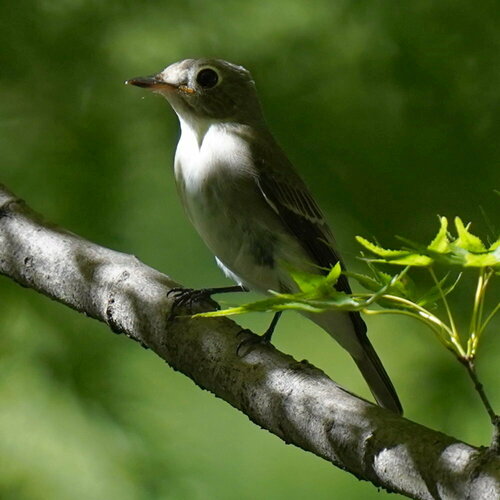



+ 262 more species with insufficient data
Recent sightings in Nikko National Park
LIVEiNaturalistSighting Calendar
How many species you'd see in a day
28Jan
27Feb
19Mar
32Apr
37May
44Jun
35Jul
39Aug
30Sep
31Oct
30Nov
26Dec
Sighting Zones
Warmer areas are where all species together are recorded most often.
-
Shinkyo Sacred Bridge








🏕️ Experience
Essentials
Entrance
Free
Tourism
Medium
Typical stay
1–2
daysTrails
Hard
World Heritage
No
Climate
Temp °C Rain mm
JanFebMarAprMayJunJulAugSepOctNovDec
0.0 Good
Wallace's Line Score
How good is this park for seeing wildlife? 🦜
Biodiversity
GoodHow rich is the wildlife?
3.4
Species by taxon
🦅 Birds 268
🐒 Mammals 65
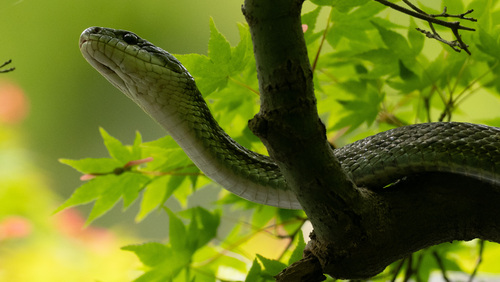
🦎 Reptiles 16
🐸 Amphibians 19
368 Total Species
828 Global average across 316 parks
14 Threatened 7 Endemic
🔭
Sighting
GoodHow likely to see animals?
3.1
🎯
Top-12 Avg Probability
64% 📊
Coverage (108 species at ≥5% of 368 in the inventory)
29% 🔀
Taxon variety in top 12 (10 bird, 2 mammal)
37% 🔭
Species per 10 outings (distinct species a visitor would meet over 10 outings — effort held equal across parks)
75 🌟
Iconic-group species (≥15%) (every species from the 19 iconic groups — monkeys, cats, toucans, macaws, sloths, crocodilians… — not just the 4 highlighted above)
5 ⭐
High-prob species (>40%)
22 🏕️
Experience
GoodHow easy and pleasant is the visit?
3.1
Climate Harsh Low
Entrance Free High
Tourism Medium Medium
Trails Hard Low
World Heritage No —
What visitors say
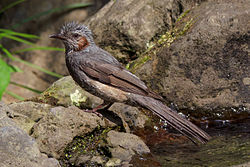
The birds were scarce, but I did see a few Brown-eared Bulbuls and a single Eurasian Jay which was a lifer for me.
Spotting wild monkeys in Nikko was a highlight of our winter trip, a genuine and unexpected connection with nature.
Sure, we didn’t see the autumn colors in the rolling mountains of Nikkō, but we were happy with our decision.
When we got off the train station, we took taxis to Nikko Strawberry Park.
Before you go
What animals can you see in Nikko National Park?
368 species
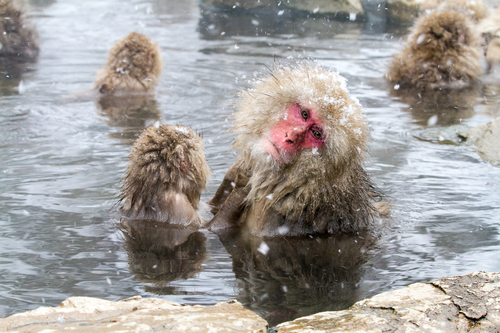
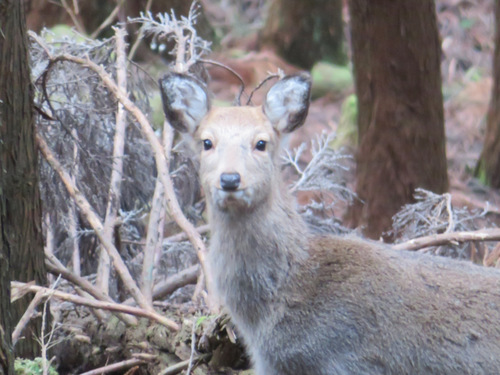
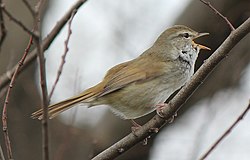
Nikko National Park has 368 recorded vertebrate species. The ones wildlife watchers report most often on a given day are Cinereous Tit (about 80%), Japanese Macaque (about 80%), Sika Deer (about 70%), Japanese Bush Warbler (about 70%) and Coal Tit (about 60%). Among reptiles, the most-seen is Japanese five-lined skink (about 50%); among amphibians, Japanese Toad (about 40%).
When is the best time to visit Nikko National Park for wildlife?
April–May, September and November
In those months the park's 12 most-seen species average about 70% on a given day, against about 40% in March.
Can you see a Japanese Macaque in Nikko National Park?
Yes
About 80% of wildlife watchers report a Japanese Macaque sighting in Nikko National Park on a given day, based on 49 verified sightings from GBIF citizen-science data from 2019 to 2026. The best time is February–June and November–December (about 80%).
Can you see a Sika Deer in Nikko National Park?
Yes
About 70% of wildlife watchers report a Sika Deer sighting in Nikko National Park on a given day, based on 48 verified sightings from GBIF citizen-science data from 2019 to 2026. The best time is June–July, September and November–December (about 80%).
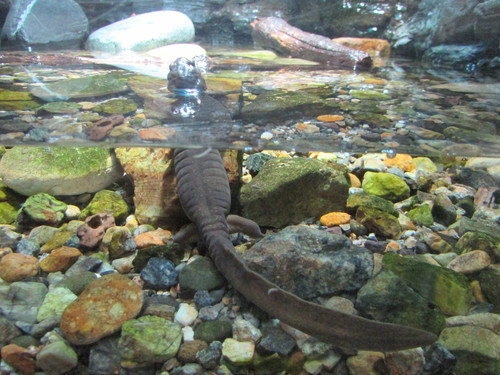
Can you see a Japanese Fire Belly Newt in Nikko National Park?
Yes
About 40% of wildlife watchers report a Japanese Fire Belly Newt sighting in Nikko National Park on a given day, based on 30 verified sightings from GBIF citizen-science data from 2019 to 2026. The best time is May and August–September (about 50%).
Can you see a Japanese five-lined skink in Nikko National Park?
Yes
About 50% of wildlife watchers report a Japanese five-lined skink sighting in Nikko National Park on a given day, based on 22 verified sightings from GBIF citizen-science data from 2019 to 2026. The best time is August (about 80%).
Where in Nikko National Park is wildlife easiest to see?
Around Senjogahara Moor
The richest sighting zone is around Senjogahara Moor, followed by Shinkyo Sacred Bridge and Yumoto Hot Spring, ranked by how many of the park's headline animals visitors can expect to see in each. See the zones on the map.
Is Nikko National Park good for wildlife watching?
3.2 out of 5
On the Wallace's Line Score, Nikko National Park rates 3.2/5: 257th of 316 parks worldwide and 28th in Asia. 25 of its species are reported by about 40% or more of wildlife watchers on a given day.


