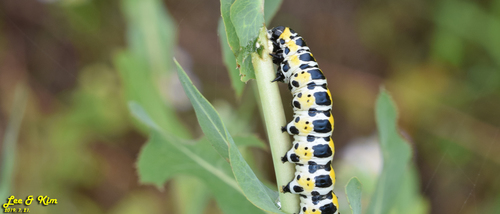
The Satellite

The Satellite

Eupsilia transversa

Daily sighting probability <5% · Rare
at Kazan

In 3 days ~10% in a week ~30%

7 Verified sightings at Kazan
18 In all 3 parks From 2019 to 2026
April Best month
☀️🌙 Day & Night When it's spotted

About the The Satellite

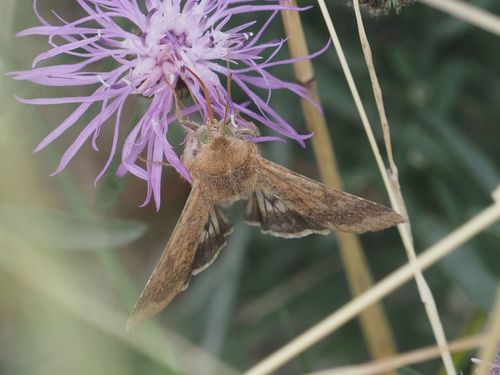
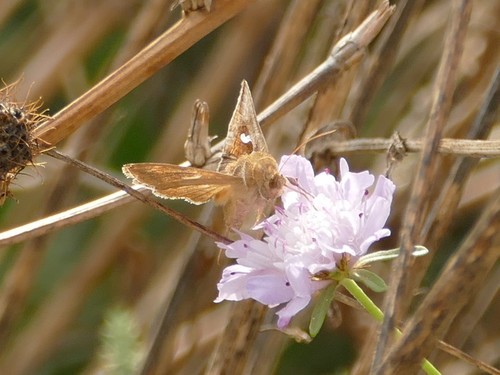
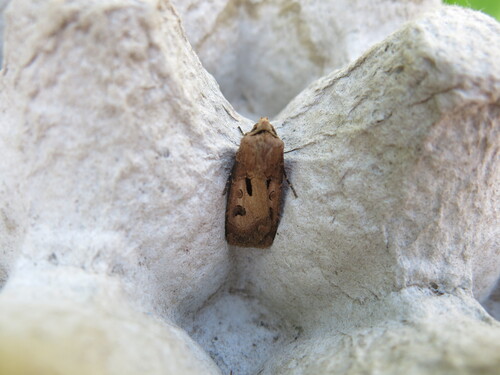
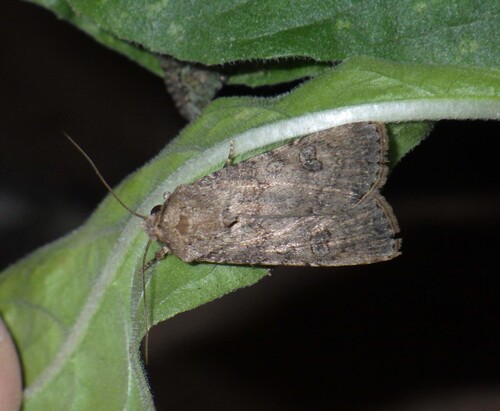
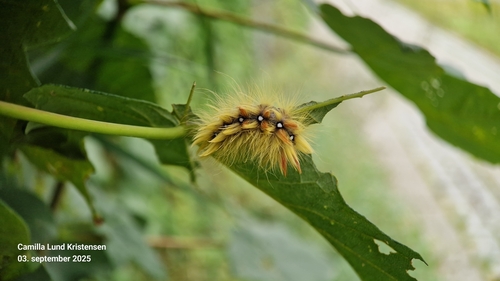
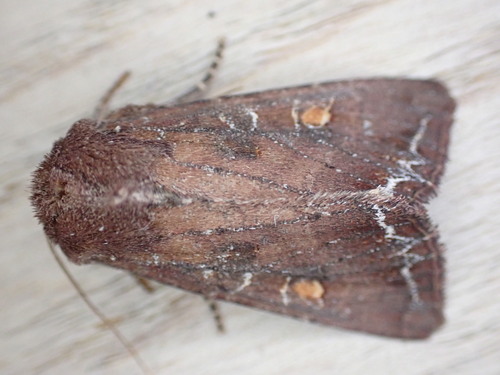
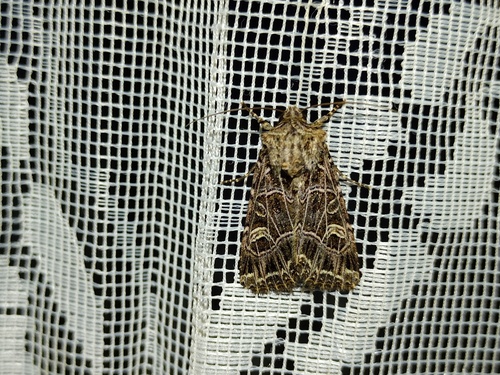
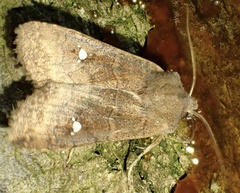
Eupsilia transversa, the satellite, is a moth of the family Noctuidae. The species was first described by Johann Siegfried Hufnagel in 1766. It is distributed throughout the Palearctic. The moth has variable wing patterns, with a wingspan of 32-42mm.

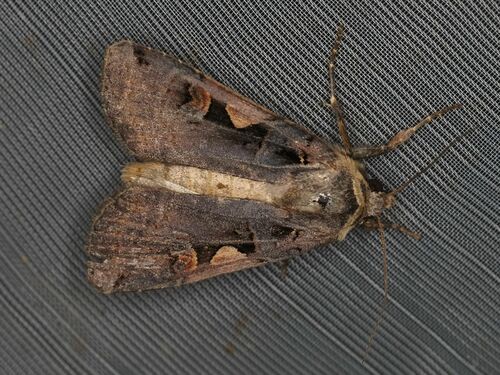
The common name derives from the contrasting dots on each wing, ranging in colour from white or yellow to red, which has two smaller spots close to it, appearing to be in orbit. The hindwings are brown with a paler fringe.

Forewing grey brown, with deeper suffusion; inner and outer lines fine, and more or less erect, the inner straight, the outer waved; a bent median shade, one before the inner line, and another close beyond the outer; submarginal line pale, interrupted, preceded and followed by dark shades; claviform and orbicular stigmata obsolete; reniform in the type form orange yellow, with a white dot above and below it; fringe concolorous, preceded by pale marginal lunules; hindwing fuscous brown. Linne's type form, showing a yellow reniform with two white dots, especially in combination with the grey-brown ground colour, is decidedly rare; as a rule, when the reniform... Wikipedia →
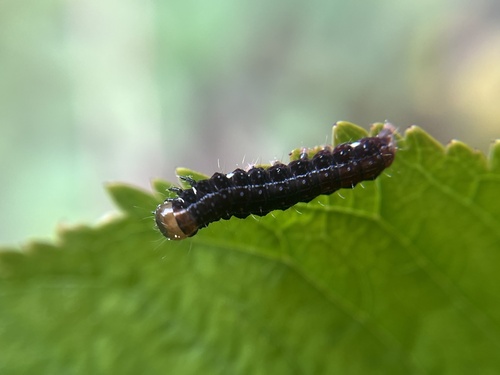
Global Distribution

Parks Where Found

# Park Country Daily sighting probability
1 Snowdonia National Park 🇬🇧 United Kingdom
~10%
2 Bavarian Forest National Park 🇩🇪 Germany
<5%
3 Wadden Sea National Park 🇩🇪 Germany
<5%

Cities Where Found

# City Country Daily sighting probability
1 Kharkiv 🇺🇦 Ukraine
~10%
2 Vienna 🇦🇹 Austria
~10%
3 Prague 🇨🇿 Czechia
~10%
4 Nizhny Novgorod 🇷🇺 Russia
<5%
5 Kazan 🇷🇺 Russia
<5%
6 Kyiv 🇺🇦 Ukraine
<5%
7 Paris 🇫🇷 France
<5%
8 London 🇬🇧 United Kingdom
<5%
9 Moscow 🇷🇺 Russia
<5%
10 Birmingham 🇬🇧 United Kingdom
<5%

Before you go

What are the chances of seeing a The Satellite in Kazan?

Rare

Under 5% of wildlife watchers report a The Satellite sighting in Kazan on a given day, based on 7 verified sightings from GBIF citizen-science data. It is the 107th most-seen of the 183 insects we can rate there. Over three days the chance rises to about 10%, and over a week to about 30%, if each day is a fresh chance.

When is the best time to see a The Satellite in Kazan?

March and April

In those months about 10% of wildlife watchers report a The Satellite in Kazan on a given day, against under 5% in May to February, the lowest months.

What time of day is best to see a The Satellite?

Between 8 and 11 pm

Across all the parks we cover, that three-hour window holds the most The Satellite sightings with a recorded time, and about 6 in 10 of them come between 6 am and 6 pm: it is seen both by day and at night.

Is Kazan the best place to see a The Satellite?

5th of 11

Of the 11 cities where we can rate The Satellite sightings, Kazan ranks 5th at under 5%. The best odds are in Kharkiv (Ukraine, about 10%), Vienna (Austria, about 10%) and Prague (Czechia, about 10%).

Which relatives of the The Satellite live in Kazan?

Same family: Noctuidae

The closest relatives of the The Satellite that you can see in Kazan (family Noctuidae, Cutworm Moths and Allies) are Cotton Bollworm Moth (about 10%), Silver Υ (about 10%) and Setaceous Hebrew Character (about 10%), with each one's daily chance of a sighting.

Where does the The Satellite sighting chance come from?

GBIF citizen-science records

It is estimated from how often the The Satellite is recorded against all the insects logged in Kazan (7 verified sightings), calibrated against known sighting rates. Figures are rounded to the nearest 10% because citizen-science data supports honest approximations, not decimals, and months with records from fewer than five people show "—". How it works.

← Back to Kazan