Dark Palm-Dart

Dark Palm-Dart

Telicota bambusae

Daily sighting probability <5% · Rare
at Kochi

In 3 days ~10% in a week ~20%

6 Verified sightings at Kochi
July Best month
☀️ Diurnal When it's spotted

About the Dark Palm-Dart

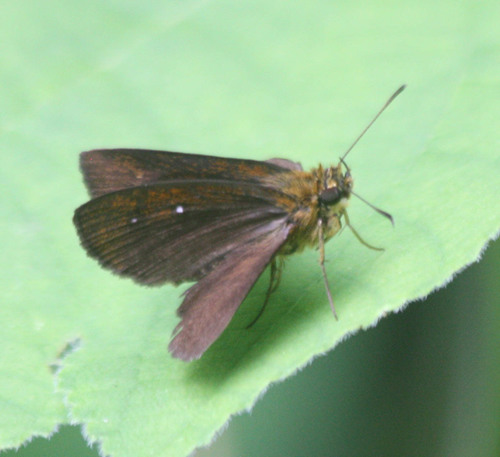
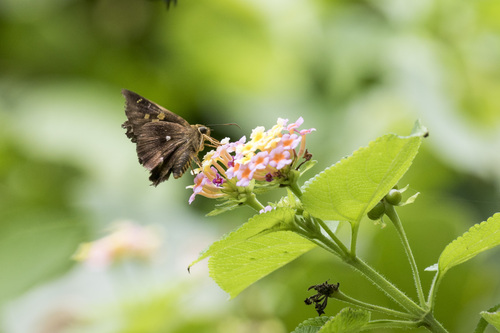
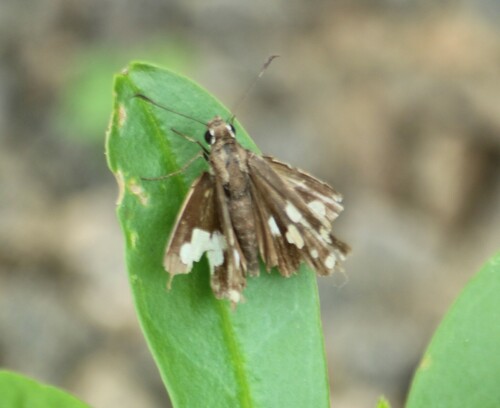
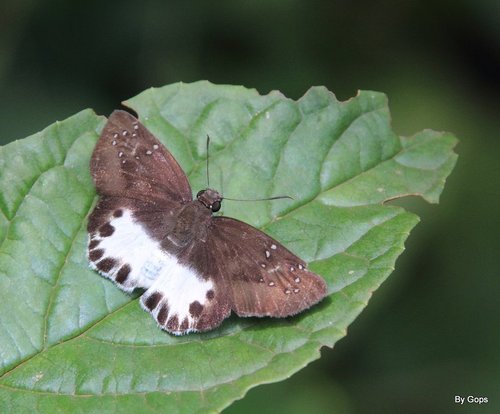
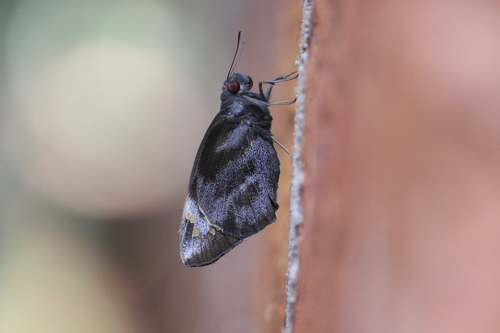
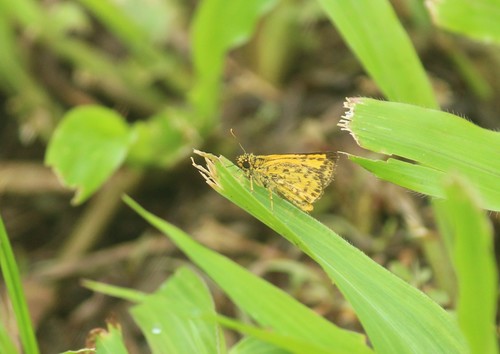
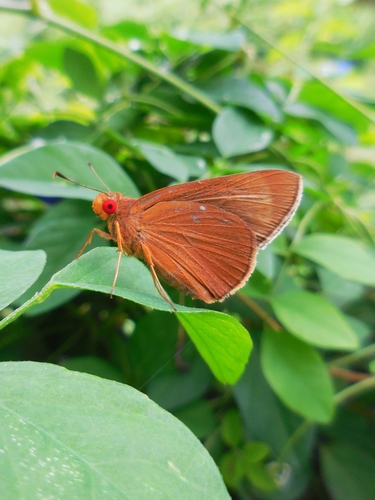
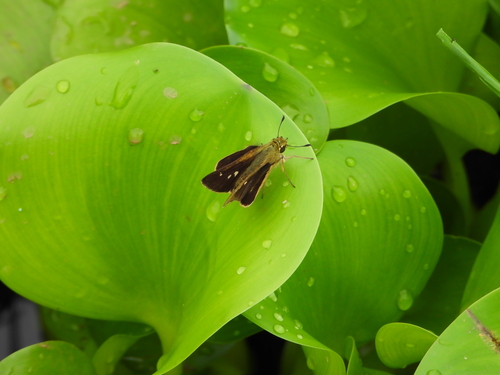
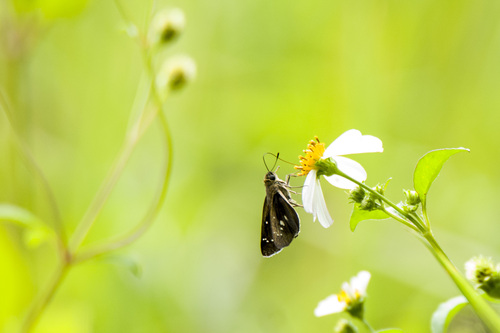
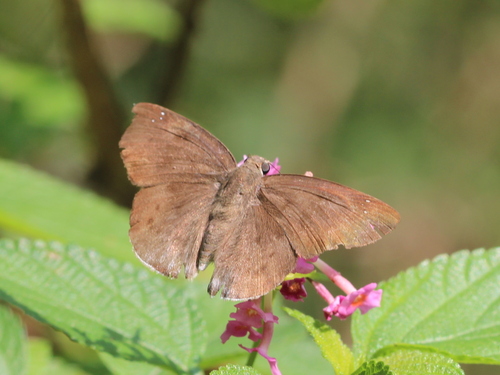
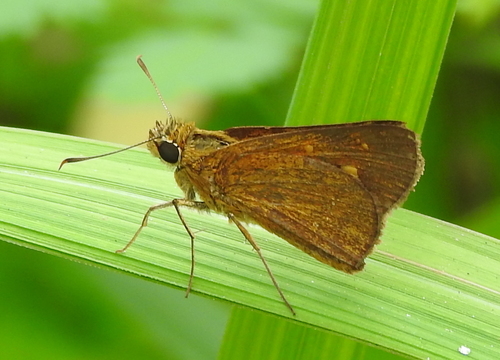
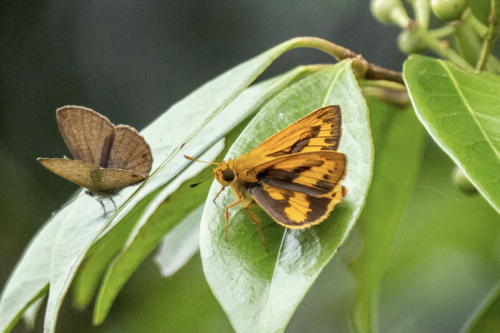
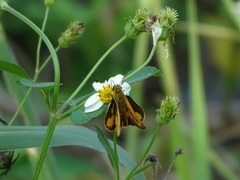
Telicota bambusae, the dark palm dart, is a species of grass skipper butterfly in the family Hesperiidae. It is found in India, Sri Lanka and on Peninsular Malaysia. Male. Upperside. Forewing much as in Telicota augias, but the discal black band is narrower and more uniform, and is continued up to the outside of the upper end of the cell, where it terminates in a square patch, its outer side extending somewhat outwards, and the outer marginal black band is much broader and more uniform in width, expands at the apex and is complete and not macular as in T. augias, its inner edge irregular. Hindwing with the black portions blacker, the cell spot similar, the discal band and abdominal streak also similar, but the band is more uniform in width. Cilia similar. Underside like the underside of T. augias, the black markings more pronounced; the black spots on the hindwing indicating the discal patch much more prominent, and there is a blackish streak near the anal angle in each of the two anal interspaces. Antennae, palpi, head and body as in T. augias.

Female like its own male, but on the upper.side the basal half of the cell of the forewing is usually black, and there is... Wikipedia →
Global Distribution

Parks Where Found

# Park Country Daily sighting probability

More parks will be added in future updates.

Cities Where Found

# City Country Daily sighting probability
1 Prayagraj 🇮🇳 India
~10%
2 Taipei 🇹🇼 Taiwan
~10%
3 Mumbai 🇮🇳 India
~10%
4 Tuen Mun 🇨🇳 China
~10%
5 Bengaluru 🇮🇳 India
~10%
6 Taichung 🇹🇼 Taiwan
~10%
7 Pune 🇮🇳 India
~10%
8 Hyderabad 🇮🇳 India
~10%
9 Kaohsiung 🇹🇼 Taiwan
<5%
10 Hong Kong 🇨🇳 China
<5%

Before you go

What are the chances of seeing a Dark Palm-Dart in Kochi?

Rare

Under 5% of wildlife watchers report a Dark Palm-Dart sighting in Kochi on a given day, based on 6 verified sightings from GBIF citizen-science data. It is the 377th most-seen of the 428 insects we can rate there. Over three days the chance rises to about 10%, and over a week to about 20%, if each day is a fresh chance.

When is the best time to see a Dark Palm-Dart in Kochi?

June–July and September

In those months about 10% of wildlife watchers report a Dark Palm-Dart in Kochi on a given day, against under 5% in August and October–May, the lowest months. Those are among Kochi's wettest months, with about 410 mm of rain a month against 15 mm in January.

What time of day is best to see a Dark Palm-Dart?

Between 9 am and noon

Across all the parks we cover, that three-hour window holds the most Dark Palm-Dart sightings with a recorded time, and nearly all of them come between 6 am and 6 pm: it is a daytime animal.

Is Kochi the best place to see a Dark Palm-Dart?

11th of 11

Of the 11 cities where we can rate Dark Palm-Dart sightings, Kochi ranks 11th at under 5%. The best odds are in Prayagraj (India, about 10%), Taipei (Taiwan, about 10%) and Mumbai (India, about 10%).

Which relatives of the Dark Palm-Dart live in Kochi?

Same family: Hesperiidae

The closest relatives of the Dark Palm-Dart that you can see in Kochi (family Hesperiidae, Skippers) are Chestnut Bob (about 20%), Common Awl (about 20%) and Indian Palm Bob (about 20%), with each one's daily chance of a sighting.

Where does the Dark Palm-Dart sighting chance come from?

GBIF citizen-science records

It is estimated from how often the Dark Palm-Dart is recorded against all the insects logged in Kochi (6 verified sightings), calibrated against known sighting rates. Figures are rounded to the nearest 10% because citizen-science data supports honest approximations, not decimals, and months with records from fewer than five people show "—". How it works.

← Back to Kochi