Light Brocade

Light Brocade

Lacanobia w-latinum

Daily sighting probability ~10% · With luck
at London

In 3 days ~20% in a week ~50%

295 Verified sightings at London
33 In all 3 parks From 2019 to 2026
May Best month
🌅 Crepuscular When it's spotted

About the Light Brocade

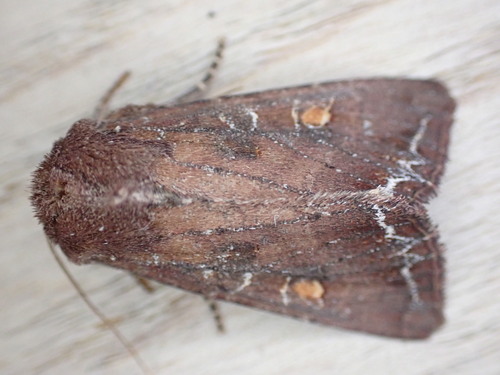
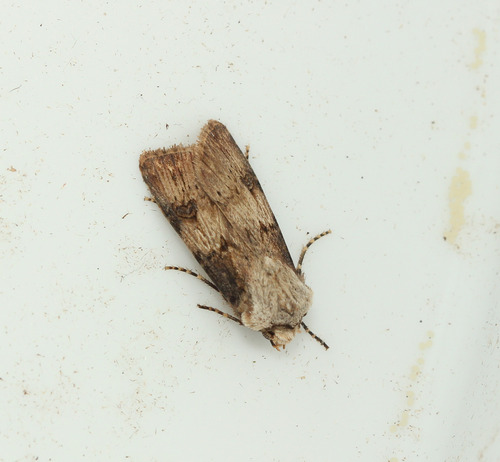
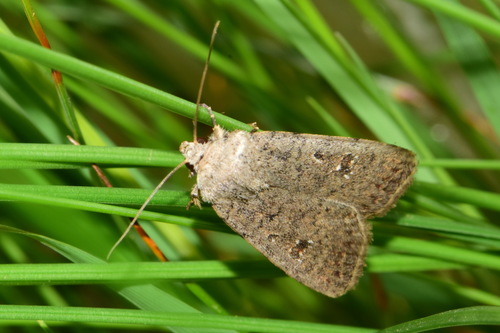
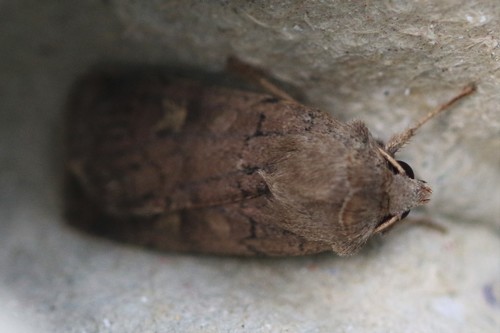
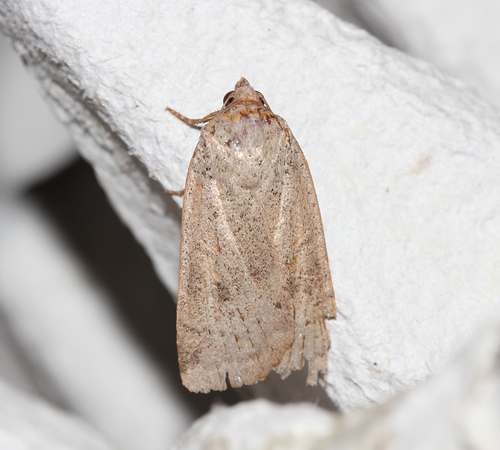
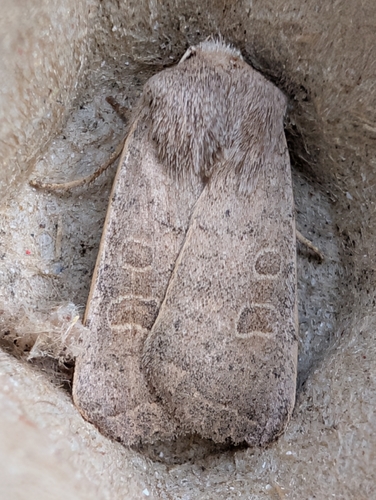
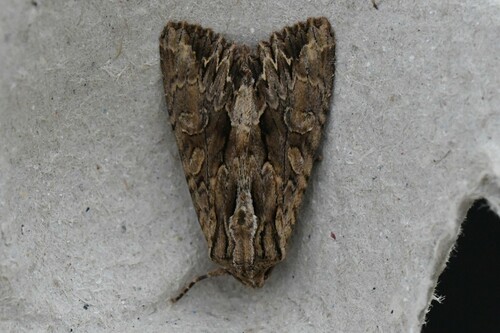
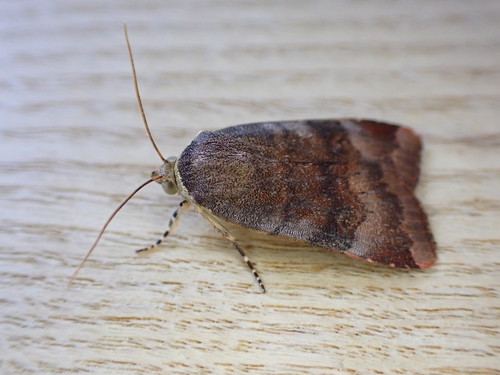
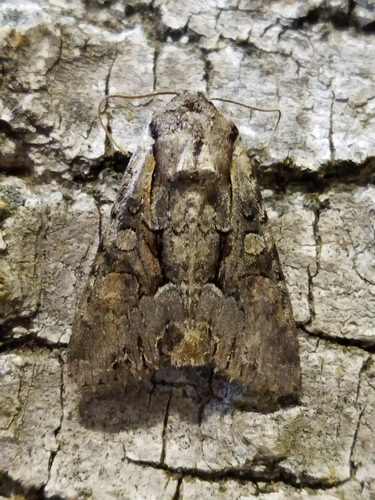
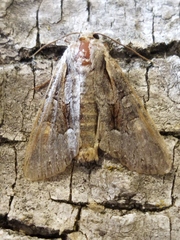
Lacanobia w-latinum, the light brocade, is a moth of the family Noctuidae. The species was first described by Johann Siegfried Hufnagel in 1766. It is found in Europe, east to Turkmenistan and Anatolia. The wingspan is 36–41 mm. The species is very similar to Lacanobia contigua. The forewing ground colour is red brown, violet brown, silver grey and dark brown. The reniform and orbicular stains are large and partially reddish tinted. The basal dash is very dark and striking. The midfield and extreme marginal area also stand out also dark, while the inner marginal field is grey brown to silver grey. In the subterminal light wavy line, a large W character is visible, which serves as the basis for the Latin name w-latinum. The hindwings are grey brown and mostly without markings but slightly darkened at the edge, only the dark veins emerge more clearly.

The flat, hemispherical egg has protruding, wavy ribs. It is initially yellowish green, later whitish or grey with crimson spots on the top. The colouration of the caterpillars varies from greenish or yellowish to brownish grey. They have an indistinct dark dorsal line with dark slashes. In addition, they show bright lateral... Wikipedia →
Global Distribution

Parks Where Found

# Park Country Daily sighting probability
1 Cévennes National Park 🇫🇷 France
~10%
2 Bavarian Forest National Park 🇩🇪 Germany
~10%
3 Pyrénées National Park 🇫🇷 France
<5%

Cities Where Found

# City Country Daily sighting probability
1 London 🇬🇧 United Kingdom
~10%
2 Kharkiv 🇺🇦 Ukraine
~10%
3 Kyiv 🇺🇦 Ukraine
<5%
4 Prague 🇨🇿 Czechia
<5%
5 Vienna 🇦🇹 Austria
<5%
6 Paris 🇫🇷 France
<5%

Before you go

What are the chances of seeing a Light Brocade in London?

With luck

About 10% of wildlife watchers report a Light Brocade sighting in London on a given day, based on 295 verified sightings from GBIF citizen-science data. It is the 233rd most-seen of the 1504 insects we can rate there. Over three days the chance rises to about 20%, and over a week to about 50%, if each day is a fresh chance.

When is the best time to see a Light Brocade in London?

May and June

In those months about 20% of wildlife watchers report a Light Brocade in London on a given day, against under 5% in July to April, the lowest months.

What time of day is best to see a Light Brocade?

Between 6 and 9 am

Across all the parks we cover, that three-hour window holds the most Light Brocade sightings with a recorded time, and about 6 in 10 of them come between 6 am and 6 pm: it is most active around dawn and dusk.

Is London the best place to see a Light Brocade?

Yes

Of the 6 cities where we can rate Light Brocade sightings, London has the highest daily chance: about 10%. Next come Kharkiv (Ukraine, about 10%) and Kyiv (Ukraine, under 5%).

Where does the Light Brocade sighting chance come from?

GBIF citizen-science records

It is estimated from how often the Light Brocade is recorded against all the insects logged in London (295 verified sightings), calibrated against known sighting rates. Figures are rounded to the nearest 10% because citizen-science data supports honest approximations, not decimals, and months with records from fewer than five people show "—". How it works.

← Back to London