Puss Moth

Puss Moth

Cerura vinula

Daily sighting probability <5% · Rare
at London

In 3 days ~10% in a week ~20%

13 Verified sightings at London
97 In all 3 parks From 2019 to 2026
June Best month
🌅 Crepuscular When it's spotted

About the Puss Moth

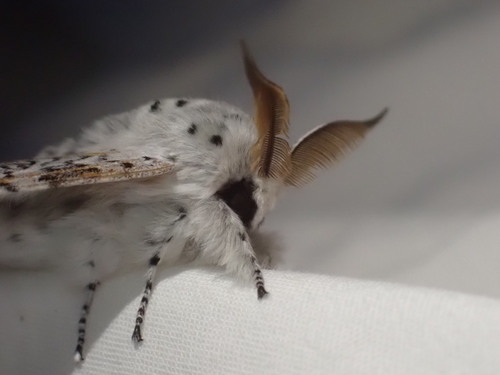
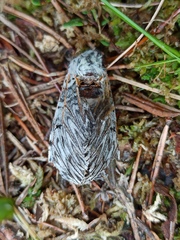
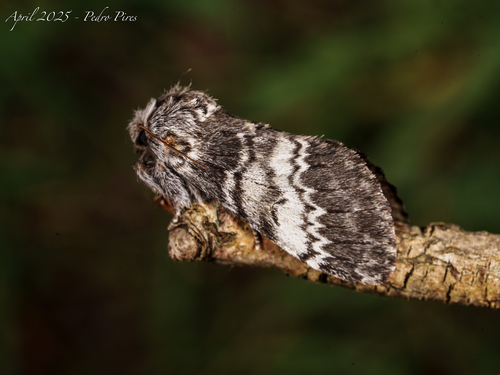
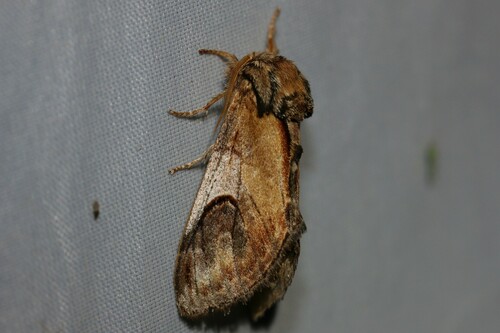
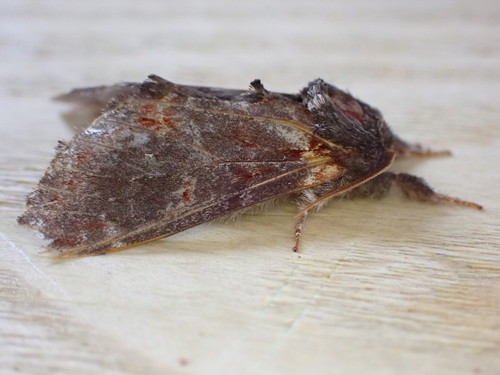
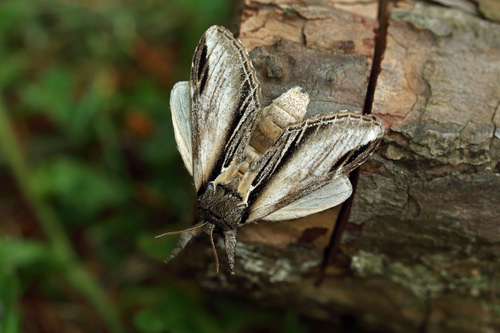
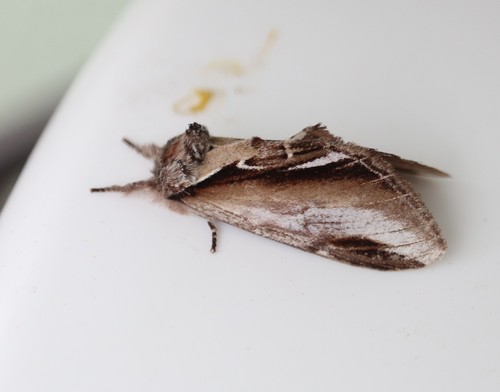
Cerura vinula, the puss moth (pronounced, puuss), is a lepidopteran from the family Notodontidae. The species was first described by Carl Linnaeus in his 1758 10th edition of Systema Naturae. The head, thorax, and body of these moths are very fluffy, with a cat-like appearance (hence the common English name puss moth). The antennæ are bipectinated. They have white or yellowish-gray forewings crossed by several wave-like dark lines. The hindwings are light gray or whitish in the males, while in the females they are suffused with blackish but almost transparent. The body is whitish gray, with the dorsal abdomen banded in black.

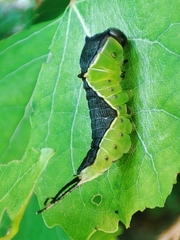
The caterpillars grow to about 80 millimetres (3.1 in) long. They are at first completely black and moult to light green with a dark dorsal pattern outlined in white... Wikipedia →

Global Distribution

Parks Where Found

# Park Country Daily sighting probability
1 Wadden Sea National Park 🇩🇪 Germany
~10%
2 Ecrins National Park 🇫🇷 France
~10%
3 Bavarian Forest National Park 🇩🇪 Germany
~10%

Cities Where Found

# City Country Daily sighting probability
1 Birmingham 🇬🇧 United Kingdom
<5%
2 Saint Petersburg 🇷🇺 Russia
<5%
3 London 🇬🇧 United Kingdom
<5%
4 Moscow 🇷🇺 Russia
<5%

Before you go

What are the chances of seeing a Puss Moth in London?

Rare

Under 5% of wildlife watchers report a Puss Moth sighting in London on a given day, based on 13 verified sightings from GBIF citizen-science data. It is the 971st most-seen of the 1504 insects we can rate there. Over three days the chance rises to about 10%, and over a week to about 20%, if each day is a fresh chance.

When is the best time to see a Puss Moth in London?

Any time of year

In every month with enough records, under 5% of wildlife watchers report a Puss Moth in London on a given day, so our monthly data shows no clear season.

What time of day is best to see a Puss Moth?

Between 4 and 7 am

Across all the parks we cover, that three-hour window holds the most Puss Moth sightings with a recorded time, and about half of them come between 6 am and 6 pm: it is most active around dawn and dusk.

Is London the best place to see a Puss Moth?

Among the best

Of the 4 cities where we can rate Puss Moth sightings, London ranks 3rd at under 5%, level with the leaders once rounded. The best odds are in Birmingham (United Kingdom, under 5%) and Saint Petersburg (Russia, under 5%).

Which relatives of the Puss Moth live in London?

Same family: Notodontidae

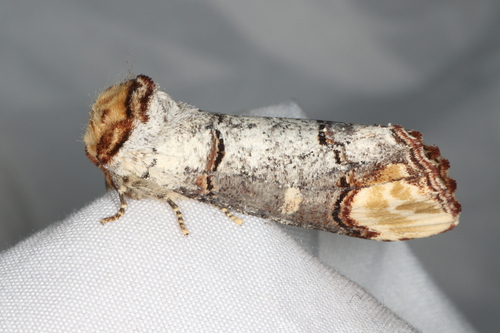
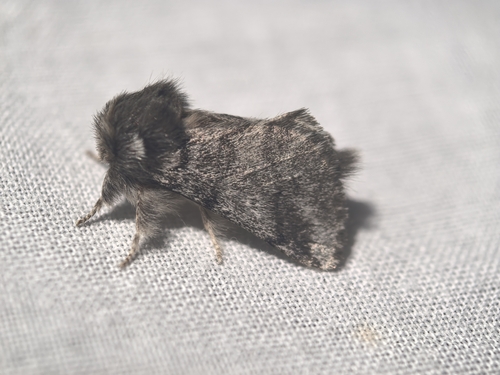
The closest relatives of the Puss Moth that you can see in London (family Notodontidae, Prominent Moths) are Buff-Tip (about 10%), Oak Processionary (about 10%) and Pale Prominent (about 10%), with each one's daily chance of a sighting.

Where does the Puss Moth sighting chance come from?

GBIF citizen-science records

It is estimated from how often the Puss Moth is recorded against all the insects logged in London (13 verified sightings), calibrated against known sighting rates. Figures are rounded to the nearest 10% because citizen-science data supports honest approximations, not decimals, and months with records from fewer than five people show "—". How it works.

← Back to London