


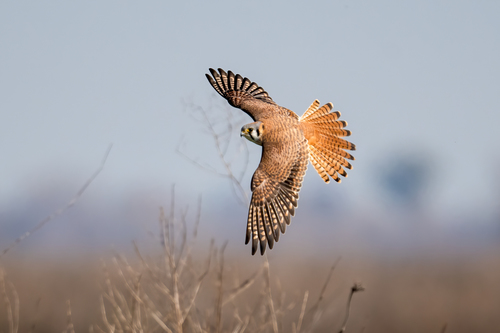


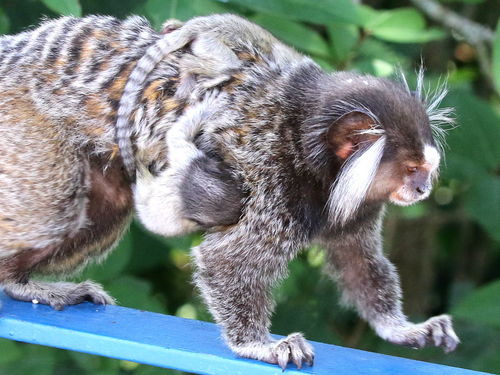


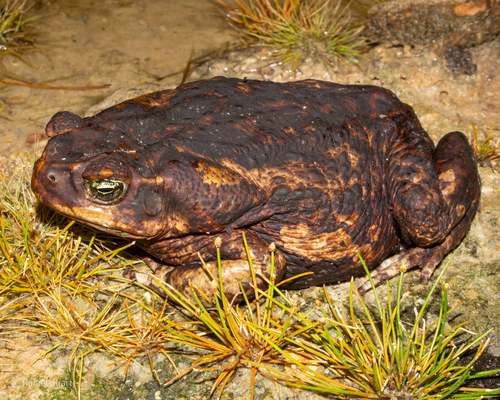

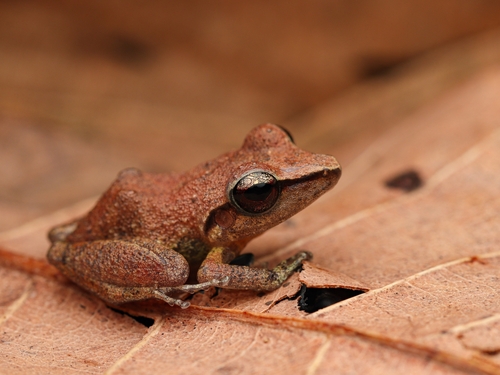
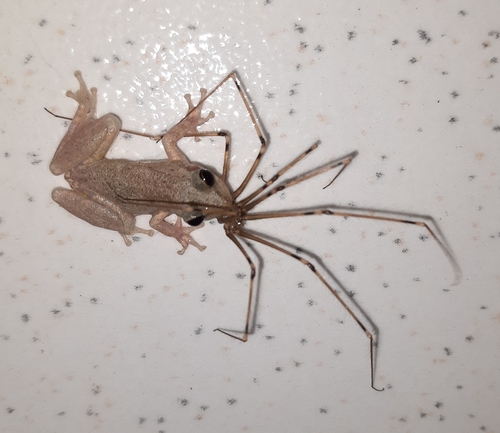


All 5 in 3 days here: ~80%
City
Maceió
🇧🇷 Brazil
South America, Brazil 280 spp. recorded
Maceió, formerly anglicised as Maceio, is the capital and the largest city of the coastal state of Alagoas, Brazil. The name "Maceió" is a Tupi Indigenous term for a spring. Wikipedia
9.605° S 35.761° W
🦜 Nature

280 Species sighted
14,362 Verified sightings From 2019 to 2026
Feb Best month
⭐ Iconic Species
📊 Most Spotted
📊 Most Spotted

LC
 Common Squirrel Monkey
Saimiri sciureus

LC
 Crab-eating Fox
Cerdocyon thous

LC
 Crab-eating Raccoon
Procyon cancrivorus

LC
 Agile Gracile Opossum
Gracilinanus agilis

LC
 Linnaeus's Mouse Opossum
Marmosa murina

LC
 Southern Elephant Seal
Mirounga leonina
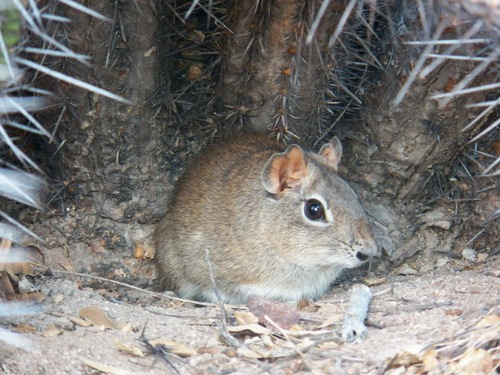
LC
Spix's Yellow-toothed Cavy
Galea spixii

LC
Brown Rat
Rattus norvegicus
⭐ Iconic Species
📊 Most Spotted
📊 Most Spotted
📊 Most Spotted

LC
 Forest Chirping Frog
Adenomera hylaedactyla
LC
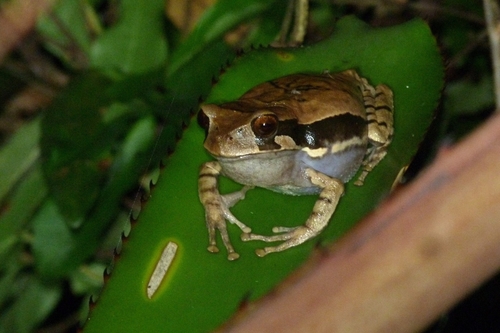
Igaracu Marsupial Frog
Gastrotheca fissipes
LC
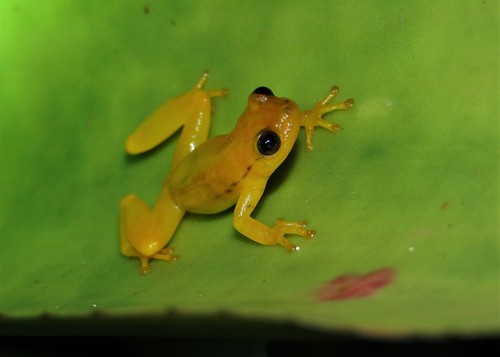
Mata do Catolé Heart-tongued Frog
Phyllodytes edelmoi

LC
 Fuscous-blotched Snouted Tree Frog
Scinax fuscovarius

LC Endemic
Rio Bahu White-lipped Frog
Leptodactylus natalensis
📊 Most Spotted
🌙 Most active after dark
LC
Forest Chirping Frog
Adenomera hylaedactyla
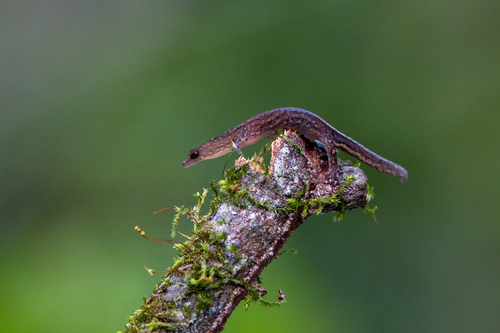
LC
 Meridian Gecko
Coleodactylus meridionalis

LC
 Lesser Nighthawk
Chordeiles acutipennis
LC
Mata do Catolé Heart-tongued Frog
Phyllodytes edelmoi
LC
Crab-eating Fox
Cerdocyon thous
Challenges you can complete here
Recent sightings in Maceió
LIVEiNaturalistWhere to look
Warmer areas are where all species together are recorded most often.
-
Parque Municipal de Maceió





Sighting Calendar
How many species you'd see in a day
25Jan
28Feb
26Mar
27Apr
26May
24Jun
25Jul
27Aug
25Sep
22Oct
25Nov
24Dec
🏙️ City
Essentials
Green cover
Medium
Protected land
0.0%
Protected sea
14%
Protected areas
2
areasWildlife spots
1
spotsZoos & centres
0
placesClimate
Tropical monsoon
World Heritage
No
Climate
Temp °C Rain mm
JanFebMarAprMayJunJulAugSepOctNovDec
0.0 World-class
Wallace's Line Score
How good is this city for seeing wildlife? 🦜
Biodiversity
ExcellentHow rich is the wildlife?
5.0
Species by taxon
🦅 Birds 484
🐒 Mammals 193
🦎 Reptiles 119
🐸 Amphibians 63
859 Total Species
679 Global average across 380 cities
43 Threatened 46 Endemic
🔭
Sighting
ExcellentHow likely to see animals?
4.5
🎯
Top-12 Avg Probability
69% 📊
Coverage (114 species at ≥5% of 859 in the inventory)
13% 🔀
Taxon variety in top 12 (12 bird)
0% 🌟
Iconic-group species (≥15%) (every species from the 19 iconic groups — monkeys, cats, toucans, macaws, sloths, crocodilians… — not just the 4 highlighted above)
6 ⭐
High-prob species (>40%)
16 🏕️
Experience
ExcellentHow easy and pleasant is the visit?
4.2
Climate Pleasant High
Green cover Medium Medium
Protected land & sea 0.0% land · 14% sea High
Protected areas 2 Medium
Wildlife spots 1 Low
Zoos & centres 0 Low
What visitors say
Before you go
What animals can you see in Maceió?
280 species
Maceió's urban area has 280 recorded vertebrate species. The ones wildlife watchers report most often on a given day are Palm Tanager (about 90%), Great Kiskadee (about 80%), Rock Pigeon (about 80%), Tropical Kingbird (about 70%) and Black Vulture (about 70%). Among mammals, the most-seen is Brown-throated Sloth (about 40%); among reptiles, Broad-snouted Caiman (about 30%); among amphibians, Cururu Toad (about 20%).
When is the best time to see wildlife in Maceió?
July–August and October–April
In those months the city's 12 most-seen species average about 70% on a given day, against about 60% in May–June and September.
Can you see a Palm Tanager in Maceió?
Yes
About 90% of wildlife watchers report a Palm Tanager sighting in Maceió on a given day, based on 825 verified sightings from GBIF citizen-science data from 2019 to 2026. The best time is March and October (over 90%).
Can you see a Red-shouldered Macaw in Maceió?
Yes
About 50% of wildlife watchers report a Red-shouldered Macaw sighting in Maceió on a given day, based on 406 verified sightings from GBIF citizen-science data from 2019 to 2026. The best time is May–August and November (about 60%).
Can you see a Sayaca Tanager in Maceió?
Yes
About 70% of wildlife watchers report a Sayaca Tanager sighting in Maceió on a given day, based on 558 verified sightings from GBIF citizen-science data from 2019 to 2026. The best time is March and October–November (about 80%).
Is Maceió good for wildlife watching?
4.7 out of 5
On the Wallace's Line Score, which rates each city against other cities, Maceió gets 4.7/5: 54th of 380 cities worldwide and 12th in South America. 19 of its species are reported by about 40% or more of wildlife watchers on a given day.
Nearest Cities


Nearest Parks


Nearest Zoos & Centres


Sources: urban area GHSL Urban Centre Database R2024A, European Commission JRC (CC BY 4.0) · protected land WDPA, UNEP-WCMC & IUCN (via GHSL) · climate NASA POWER · wildlife GBIF.org citizen-science data