











All 5 in 3 days here: ~40%
Serra da Canastra National Park
🇧🇷 Brazil
Cerrado, Brazil 1040 spp. recorded
Serra da Canastra National Park lies in Brazil’s Cerrado, a tropical savanna of grasslands, shrubs and scattered granite outcrops. The open plateaus host the park’s signature pampas deer grazing the fields and giant anteaters probing the termite‑rich soil.
-20.240° S 46.639° W
🦜 Nature

460 Species sighted
30,594 Verified sightings From 2019 to 2026
Oct Best month
⭐ Iconic Species
📊 Most Spotted
⭐ Iconic Species
📊 Most Spotted
⭐ Iconic Species
📊 Most Spotted
📊 Most Spotted
📊 Most Spotted
📊 Most Spotted
+ 691 more species with insufficient data
Challenges you can complete here
Recent sightings in Serra da Canastra National Park
LIVEiNaturalistSighting Calendar
How many species you'd see in a day
48Jan
48Feb
50Mar
52Apr
55May
49Jun
45Jul
60Aug
54Sep
65Oct
54Nov
41Dec
Sighting Zones
Warmer areas are where all species together are recorded most often.
-
20.249° S, 46.498° W
-
Casca D'Anta, parte alta
Daily sight. prob.vs avg -
Nascente Histórica do Rio São Francisco
-
Estrada para a Portaria I










🏕️ Experience
Essentials
Entrance
Paid
Tourism
Low
Typical stay
2–3
daysTrails
Moderate
World Heritage
No
Climate
Temp °C Rain mm
JanFebMarAprMayJunJulAugSepOctNovDec
0.0 Excellent
Wallace's Line Score
How good is this park for seeing wildlife? 🦜
Biodiversity
ExcellentHow rich is the wildlife?
4.7
Species by taxon
🦅 Birds 595
🐒 Mammals 186
🦎 Reptiles 175
🐸 Amphibians 84
1040 Total Species
828 Global average across 316 parks
33 Threatened 107 Endemic
🔭
Sighting
ExcellentHow likely to see animals?
4.0
🎯
Top-12 Avg Probability
66% 📊
Coverage (266 species at ≥5% of 1040 in the inventory)
26% 🔀
Taxon variety in top 12 (10 bird, 2 mammal)
37% 🔭
Species per 10 outings (distinct species a visitor would meet over 10 outings — effort held equal across parks)
192 🌟
Iconic-group species (≥15%) (every species from the 19 iconic groups — monkeys, cats, toucans, macaws, sloths, crocodilians… — not just the 4 highlighted above)
18 ⭐
High-prob species (>40%)
36 🏕️
Experience
Very goodHow easy and pleasant is the visit?
4.0
Climate Mixed Medium
Entrance Paid Low
Tourism Low High
Trails Moderate Medium
World Heritage No —
What visitors say
She declared that she loved my “Cocktail Tyrant.” Another vulnerable tyrant flycatcher that I found especially appealing was the Sharp-tailed Tyrant.
Our last destination was the grasslands and crystal clear rivers of Serra da Canastra, the only stronghold for the critically endangered Brazilian Merganser.
I took 4 days over Thanksgiving to travel to Serra da Canastra.
The Nego Waterfall marked the beginning of our journey through the waterfalls of Serra da Canastra.
Before you go
What animals can you see in Serra da Canastra National Park?
1,040 species
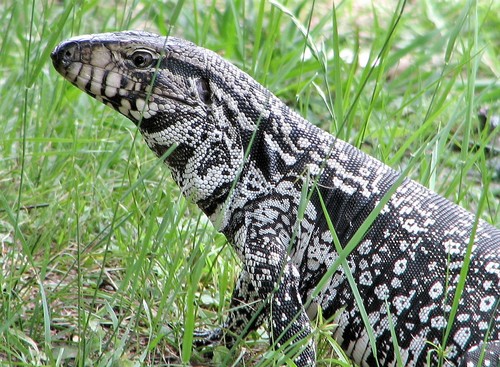
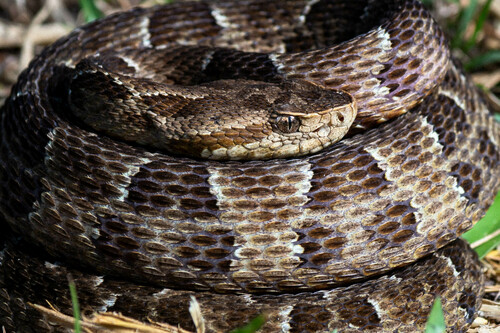
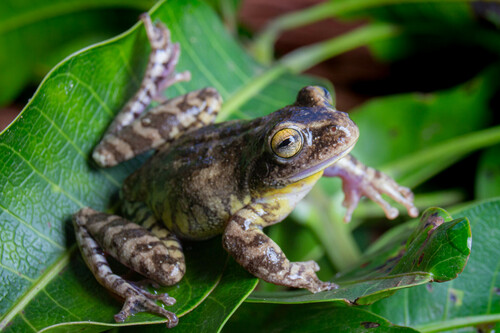
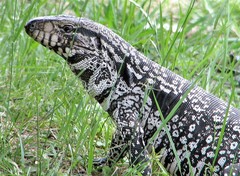
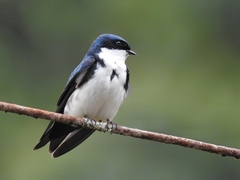
Serra da Canastra National Park has 1,040 recorded vertebrate species. The ones wildlife watchers report most often on a given day are Rufous-collared Sparrow (about 80%), Pampas Deer (about 80%), Saffron Finch (about 80%), Giant Anteater (about 80%) and Picazuro Pigeon (about 70%). Among reptiles, the most-seen is Striped Worm Lizard (about 40%); among amphibians, Rusty Toad (about 20%).
When is the best time to visit Serra da Canastra National Park for wildlife?
April–May and July–October
In those months the park's 12 most-seen species average about 70% on a given day, against about 50% in February and December. Those are among Serra da Canastra National Park's driest months, with about 55 mm of rain a month against 280 mm in January.
Can you see a Giant Anteater in Serra da Canastra National Park?
Yes
About 80% of wildlife watchers report a Giant Anteater sighting in Serra da Canastra National Park on a given day, based on 60 verified sightings from GBIF citizen-science data from 2019 to 2026. The best time is January, May, July–August and October–November (about 80%).
Can you see a Maned Wolf in Serra da Canastra National Park?
Yes
About 50% of wildlife watchers report a Maned Wolf sighting in Serra da Canastra National Park on a given day, based on 31 verified sightings from GBIF citizen-science data from 2019 to 2026. The best time is February–March and August (about 70%).
Can you see a Brazilian Merganser in Serra da Canastra National Park?
Yes
About 20% of wildlife watchers report a Brazilian Merganser sighting in Serra da Canastra National Park on a given day, based on 144 verified sightings from GBIF citizen-science data from 2019 to 2026. The best time is May and September (about 30%).
Can you see a Pampas Deer in Serra da Canastra National Park?
Yes
About 80% of wildlife watchers report a Pampas Deer sighting in Serra da Canastra National Park on a given day, based on 64 verified sightings from GBIF citizen-science data from 2019 to 2026. The best time is August (about 90%).
Is Serra da Canastra National Park good for wildlife watching?
4.2 out of 5
On the Wallace's Line Score, Serra da Canastra National Park rates 4.2/5: 92nd of 316 parks worldwide and 12th in South America. 42 of its species are reported by about 40% or more of wildlife watchers on a given day.


