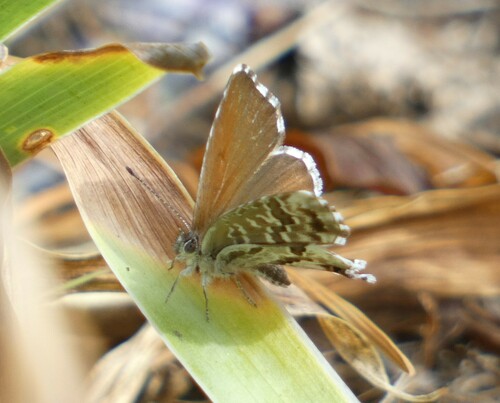
Egyptian Bollworm

Egyptian Bollworm

Earias insulana

Daily sighting probability <5% · Rare
at Madrid

In 3 days ~10% in a week ~20%

12 Verified sightings at Madrid
26 In all 2 parks From 2019 to 2026
September Best month
🌙 Nocturnal When it's spotted

About the Egyptian Bollworm

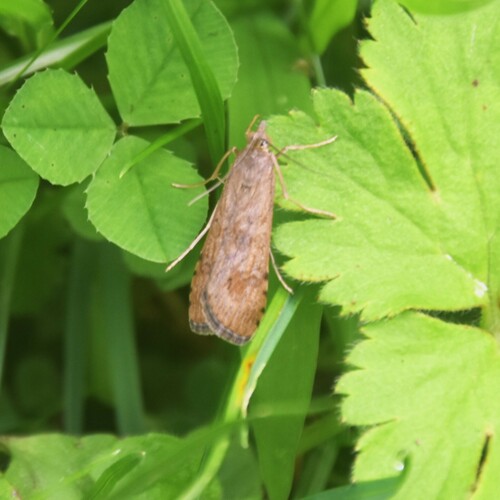
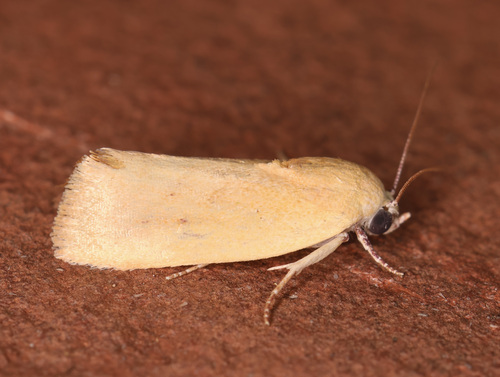
Earias insulana, the Egyptian stemborer, Egyptian bollworm, spiny bollworm or cotton spotted bollworm, is a moth of the family Nolidae. The species was first described by Jean Baptiste Boisduval in 1833. It is found in most of Africa, southern Europe, the Near East and Middle East, Japan, Taiwan, the Philippines, Australia and Hawaii. It is a rare in immigrant in Great Britain.

The wingspan is 20–22 mm. Full-grown larvae are 13–18 mm long and their wingspan is generally about 24–28 mm. It can be confused with the cream-bordered green pea (Earias clorana) or the spiny bollworm (Earias biplaga). Pupation takes place in a felt-like cocoon, which is attached to dry leaves of the food plant or to plant debris on the ground. Typically, the pupal stage takes 9–15 days, but may extend to up to two months if development is delayed by low temperatures. Wikipedia →
Global Distribution

Parks Where Found

# Park Country Daily sighting probability
1 Sierra Nevada National Park 🇪🇸 Spain
~10%
2 Kruger National Park 🇿🇦 South Africa
~10%

Cities Where Found

# City Country Daily sighting probability
1 Tel Aviv 🇮🇱 Israel
~10%
2 Nairobi 🇰🇪 Kenya
~10%
3 Madrid 🇪🇸 Spain
<5%

Before you go

What are the chances of seeing an Egyptian Bollworm in Madrid?

Rare

Under 5% of wildlife watchers report an Egyptian Bollworm sighting in Madrid on a given day, based on 12 verified sightings from GBIF citizen-science data. It is the 302nd most-seen of the 457 insects we can rate there. Over three days the chance rises to about 10%, and over a week to about 20%, if each day is a fresh chance.

When is the best time to see an Egyptian Bollworm in Madrid?

September and October

In those months about 10% of wildlife watchers report an Egyptian Bollworm in Madrid on a given day, against under 5% in November to August, the lowest months.

What time of day is best to see an Egyptian Bollworm?

Between 7 and 10 pm

Across all the parks we cover, that three-hour window holds the most Egyptian Bollworm sightings with a recorded time, and about 7 in 10 of them come between 6 pm and 6 am: it is mostly seen at night.

Is Madrid the best place to see an Egyptian Bollworm?

3rd of 3

Of the 3 cities where we can rate Egyptian Bollworm sightings, Madrid ranks 3rd at under 5%. The best odds are in Tel Aviv (Israel, about 10%) and Nairobi (Kenya, about 10%).

Which relatives of the Egyptian Bollworm live in Madrid?

Same order: Lepidoptera

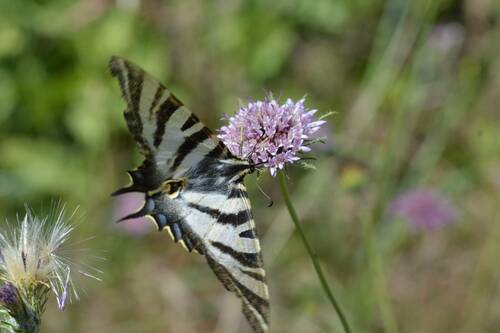
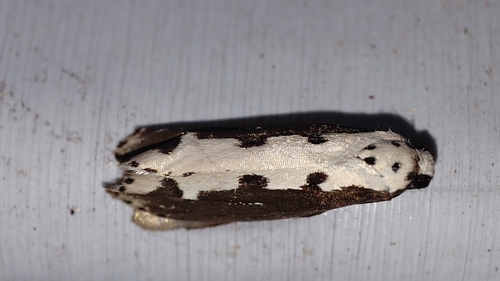
The closest relatives of the Egyptian Bollworm that you can see in Madrid (order Lepidoptera, Butterflies and Moths) are Rush Veneer (about 20%), Iberian Scarce Swallowtail (about 20%) and Speckled Wood (about 20%), with each one's daily chance of a sighting.

Where does the Egyptian Bollworm sighting chance come from?

GBIF citizen-science records

It is estimated from how often the Egyptian Bollworm is recorded against all the insects logged in Madrid (12 verified sightings), calibrated against known sighting rates. Figures are rounded to the nearest 10% because citizen-science data supports honest approximations, not decimals, and months with records from fewer than five people show "—". How it works.

← Back to Madrid