Little Forest Bat

Little Forest Bat

Vespadelus vulturnus

Silhouette: Margot Michaud · PhyloPic

LCLeast ConcernNTVUENCR Endemic
Daily sighting probability <5% · Rare
at Melbourne

In 3 days ~10% in a week ~20%

13 Verified sightings at Melbourne
January Best month
☀️🌙 Day & Night When it's spotted

About the Little Forest Bat

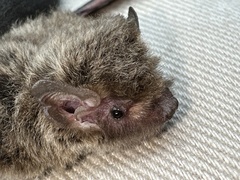
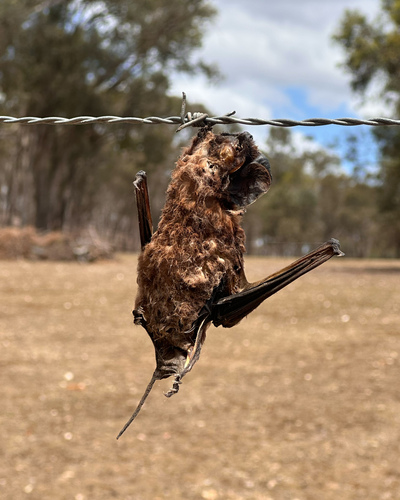
The little forest bat (Vespadelus vulturnus) is a species of vesper bat in the family Vespertilionidae. It is found only in south-eastern Australia, including Tasmania. It is a tiny bat often weighing less than 4 g (0.14 oz) (males in some areas weigh as little as 2.5 g (0.088 oz)). It is sometimes referred to as Australia's smallest mammal, although the Northern or Koopmans Pipistrelle, Pipistrellus westralis, is possibly smaller, weighing on average around 3 g (0.11 oz). It is the smallest bat in Tasmania

The little forest bat is one of the most commonly observed bats in south-eastern Australia, it is found in a variety of habitats including Eucalypt woodlands and forests as well as in rural, semi-rural and some urban areas. It is an insectivore and roosts in tree hollows.

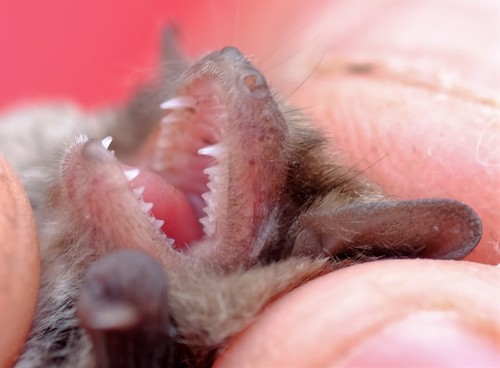
Females become sexually mature in their first year and males in their second year. It is assumed the males wake from torpor and mate with the females during winter. A single pup is born in spring (October–November). The little forest bat is very small with pale grey or brownish fur. The tragus is usually white and the skin on the face, feet and forearm is usually pinkish... Wikipedia →
Global Distribution

Parks Where Found

# Park Country Daily sighting probability

More parks will be added in future updates.

Cities Where Found

# City Country Daily sighting probability
1 Melbourne 🇦🇺 Australia
<5%

Before you go

What are the chances of seeing a Little Forest Bat in Melbourne?

Rare

Under 5% of wildlife watchers report a Little Forest Bat sighting in Melbourne on a given day, based on 13 verified sightings from GBIF citizen-science data. It is the 16th most-seen of the 22 mammals we can rate there. Over three days the chance rises to about 10%, and over a week to about 20%, if each day is a fresh chance.

When is the best time to see a Little Forest Bat in Melbourne?

January and March

In those months about 10% of wildlife watchers report a Little Forest Bat in Melbourne on a given day, against under 5% in February and April–December, the lowest months.

What time of day is best to see a Little Forest Bat?

Between 7 and 10 pm

Across all the parks we cover, that three-hour window holds the most Little Forest Bat sightings with a recorded time, and about half of them come between 6 am and 6 pm: it is seen both by day and at night.

Where else can you see a Little Forest Bat?

Only Melbourne, in our data

Melbourne is the only city on Wallace's Line with enough records to rate Little Forest Bat sightings: under 5% of wildlife watchers there report one on a given day.

Where does the Little Forest Bat sighting chance come from?

GBIF citizen-science records

It is estimated from how often the Little Forest Bat is recorded against all the mammals logged in Melbourne (13 verified sightings), calibrated against known sighting rates. Figures are rounded to the nearest 10% because citizen-science data supports honest approximations, not decimals, and months with records from fewer than five people show "—". How it works.

← Back to Melbourne