Willow Redgall Sawfly

Willow Redgall Sawfly

Pontania proxima

Daily sighting probability ~10% · With luck
at Minsk

In 3 days ~20% in a week ~30%

9 Verified sightings at Minsk
12 In all 2 parks From 2019 to 2026
August Best month
☀️ Diurnal When it's spotted

About the Willow Redgall Sawfly

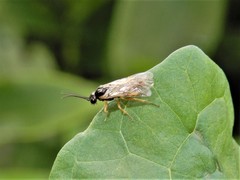
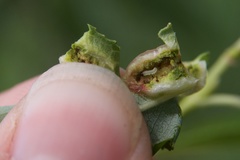
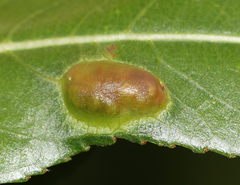
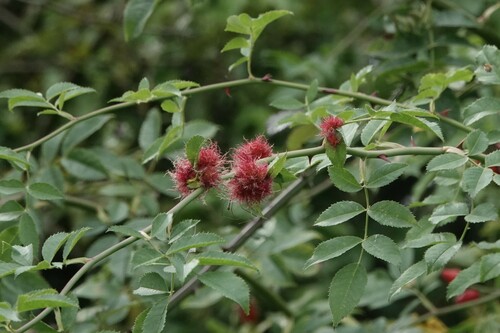
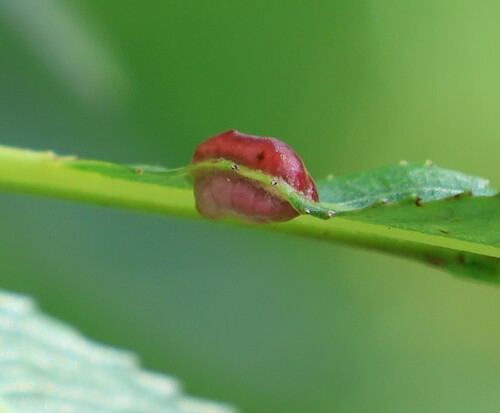
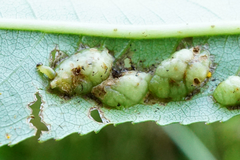
Euura proxima is a species of sawfly belonging to the family Tenthredinidae (common sawflies). The larvae feed on the leaves of willows (Salix species), creating galls. It was described by Jean Guillaume Audinet-Serville in 1823. The species was placed in the genus Euura in 2014 and was previously known as Nematus proximus and Pontania proxima.

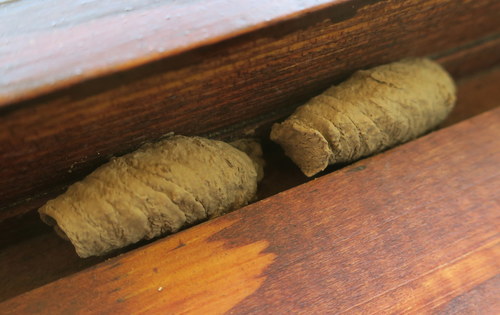
The larvae have a darkened head, typically seen as they increase in maturity. Once they emerge from the gall, they form a cocoon. This cocoon takes on soil particles and leafy matter, having a fibrous texture. Overall, it is described as being cylindrical in shape with a golden brown color, the thickness depending on the developmental stage of the specimen.

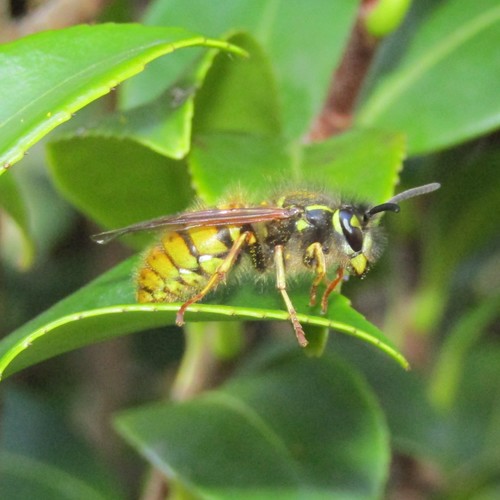
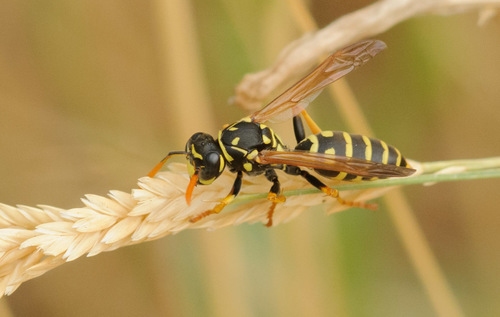
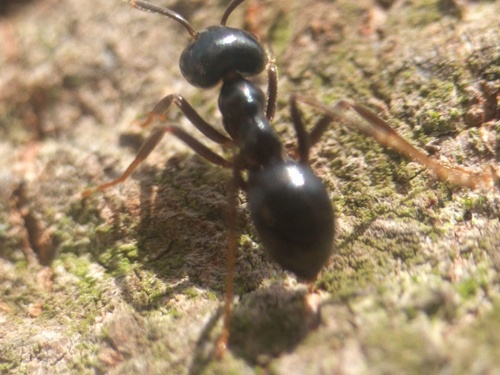
The body of adult E. proxima is mostly black with a brown hue, the legs being a lighter, reddish-brown tone. A distinctive feature of this species is its thread like antenna which have shorter antennomeres compared to other similar species. This species is a part of Hymenoptera, which can be identified through multiple facets. For example, Hymenoptera have four membranous wings, mandibulate mouthparts and a true ovipositor. Mandibulate mouthparts are identified by multiple... Wikipedia →
Global Distribution

Parks Where Found

# Park Country Daily sighting probability
1 Bavarian Forest National Park 🇩🇪 Germany
<5%
2 Wadden Sea National Park 🇩🇪 Germany
<5%

Cities Where Found

# City Country Daily sighting probability
1 Liverpool 🇬🇧 United Kingdom
~10%
2 Birmingham 🇬🇧 United Kingdom
~10%
3 London 🇬🇧 United Kingdom
~10%
4 Leeds 🇬🇧 United Kingdom
~10%
5 Minsk 🇧🇾 Belarus
~10%
6 Helsinki 🇫🇮 Finland
~10%
7 Amsterdam 🇳🇱 Netherlands
<5%
8 Manchester 🇬🇧 United Kingdom
<5%
9 Auckland 🇳🇿 New Zealand
<5%
10 Berlin 🇩🇪 Germany
<5%

Before you go

What are the chances of seeing a Willow Redgall Sawfly in Minsk?

With luck

About 10% of wildlife watchers report a Willow Redgall Sawfly sighting in Minsk on a given day, based on 9 verified sightings from GBIF citizen-science data. It is the 101st most-seen of the 196 insects we can rate there. Over three days the chance rises to about 20%, and over a week to about 30%, if each day is a fresh chance.

When is the best time to see a Willow Redgall Sawfly in Minsk?

June and August–October

In those months about 10% of wildlife watchers report a Willow Redgall Sawfly in Minsk on a given day, against under 5% in July and November–May, the lowest months.

What time of day is best to see a Willow Redgall Sawfly?

Between 10 am and 1 pm

Across all the parks we cover, that three-hour window holds the most Willow Redgall Sawfly sightings with a recorded time, and about 9 in 10 of them come between 6 am and 6 pm: it is a daytime animal.

Is Minsk the best place to see a Willow Redgall Sawfly?

Among the best

Of the 18 cities where we can rate Willow Redgall Sawfly sightings, Minsk ranks 5th at about 10%, level with the leaders once rounded. The best odds are in Liverpool (United Kingdom, about 10%), Birmingham (United Kingdom, about 10%) and London (United Kingdom, about 10%).

Which relatives of the Willow Redgall Sawfly live in Minsk?

Same order: Hymenoptera

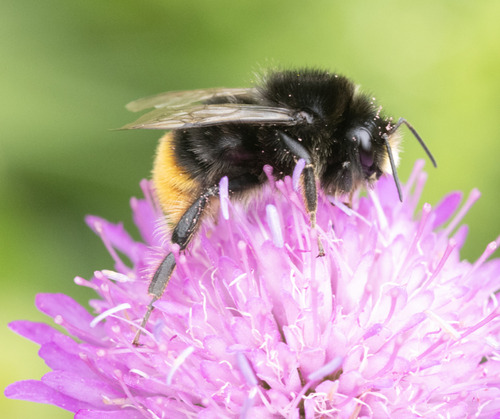
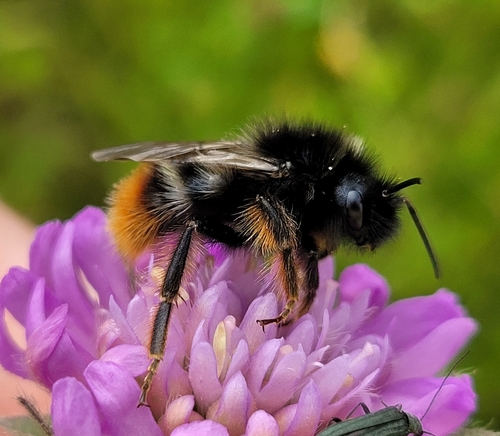
The closest relatives of the Willow Redgall Sawfly that you can see in Minsk (order Hymenoptera, Ants, Bees, Wasps, and Sawflies) are Tree Bumble Bee (about 10%), Asian Mud-Dauber Wasp (about 10%) and Common Carder Bumble Bee (about 10%), with each one's daily chance of a sighting.

Where does the Willow Redgall Sawfly sighting chance come from?

GBIF citizen-science records

It is estimated from how often the Willow Redgall Sawfly is recorded against all the insects logged in Minsk (9 verified sightings), calibrated against known sighting rates. Figures are rounded to the nearest 10% because citizen-science data supports honest approximations, not decimals, and months with records from fewer than five people show "—". How it works.

← Back to Minsk