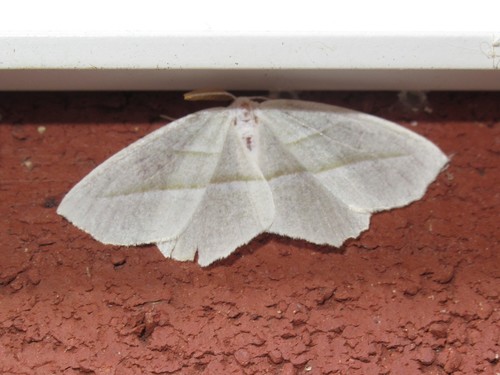
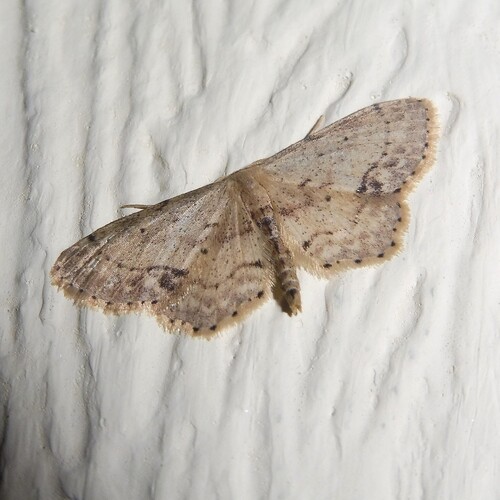
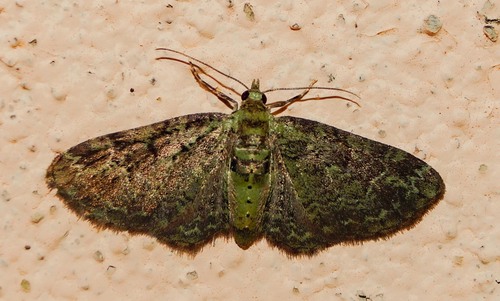
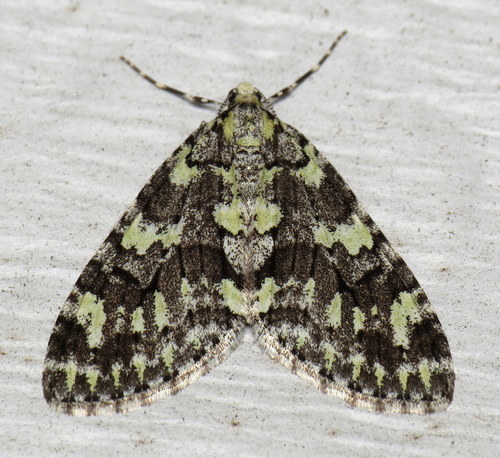
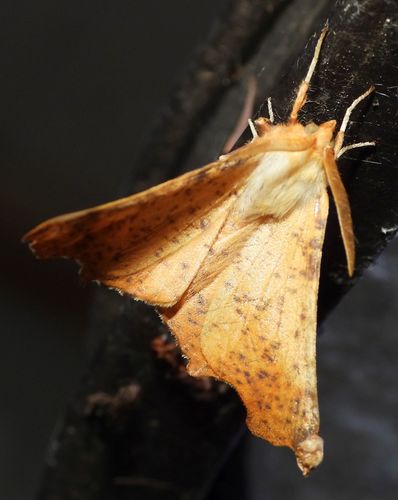
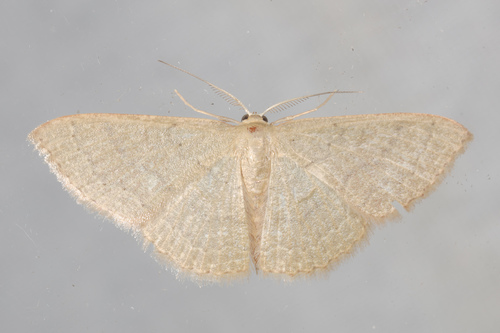
Bruce Spanworm Moth

Bruce Spanworm Moth

Operophtera bruceata

Daily sighting probability <5% · Rare
at Montreal

In 3 days ~10% in a week ~20%

10 Verified sightings at Montreal
November Best month

About the Bruce Spanworm Moth

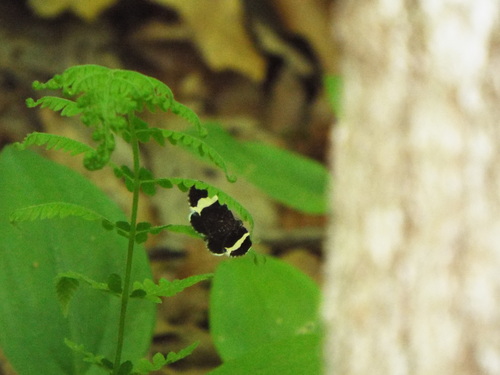
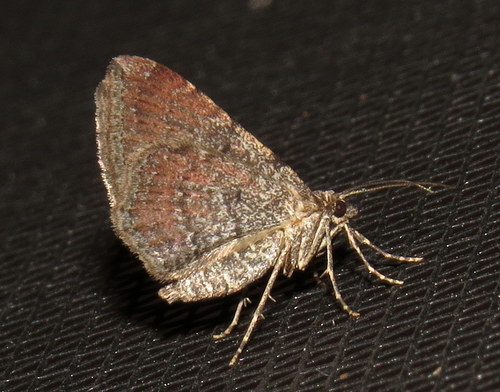
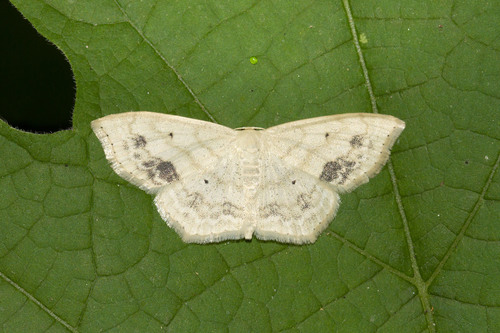
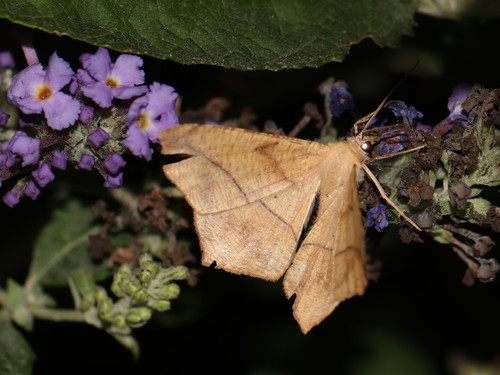
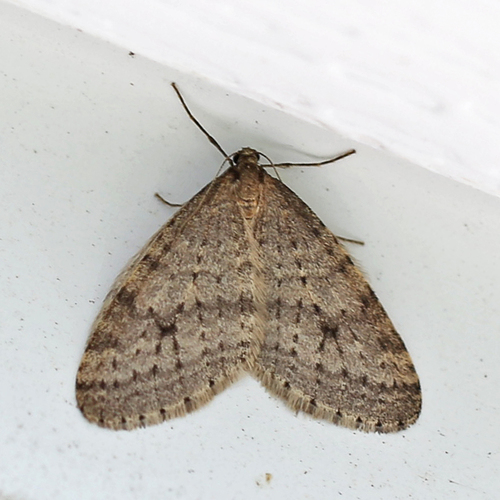
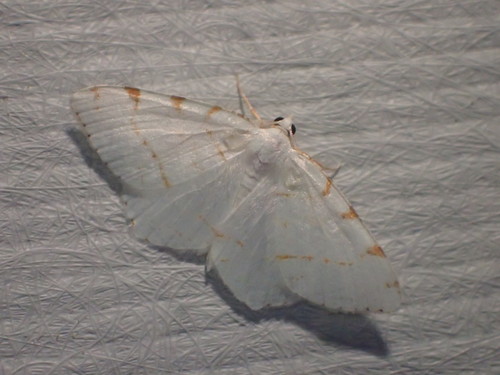
Operophtera bruceata, the Bruce spanworm, hunter's moth, or native winter moth is a moth of the family Geometridae. The species was first described by George Duryea Hulst in 1886. It is found from coast to coast in southern Canada and the northern parts of the United States.

The wingspan of the males is 25–30 mm. Females have underdeveloped wings and do not fly. Adults are on wing from October to December. The Bruce spanworm looks very similar and has a similar life cycle to the invasive congener winter moth (O. brumata). The Bruce spanworm is known to hybridize with the winter moth. The two species look almost identical to one another; however, they can be distinguished morphologically by comparing uncus shape or by using DNA analyses. The Bruce spanworm uses the same pheromone as the winter moth.

The larvae hatch in the early spring after overwintering as eggs. The neonates primarily feed on the buds and nearly unfurled leaves of sugar maple, American beech and trembling aspen. They have also been recorded on willow and various other deciduous trees. After feeding for a few weeks, the late instar caterpillars drop down to the soil and build an earthen cocoon. They pupate until the late fall or early winter when they emerge as adults.

Disease from viruses and microsporidia have been noted to effect the larvae and pupae of the Bruce spanworm. Virus infections by a nucleopolyhedrovirus (NPV) baculovirus was found to be low in Bruce spanworm populations collected in the northeast U.S. and was found to be related to but distinct from the NPV that was detected in the winter moth in the same region. However, collections for Bruce spanworm larvae from an outbreak population in Maine had high levels of infection by microsporidia. Wikipedia →
Global Distribution

Parks Where Found

# Park Country Daily sighting probability

More parks will be added in future updates.

Cities Where Found

# City Country Daily sighting probability
1 Anchorage 🇺🇸 United States
~10%
2 Toronto 🇨🇦 Canada
<5%
3 Edmonton 🇨🇦 Canada
<5%
4 Montreal 🇨🇦 Canada
<5%
5 Chicago 🇺🇸 United States
<5%
6 Minneapolis [Saint Paul] 🇺🇸 United States
<5%

Before you go

What are the chances of seeing a Bruce Spanworm Moth in Montreal?

Rare

Under 5% of wildlife watchers report a Bruce Spanworm Moth sighting in Montreal on a given day, based on 10 verified sightings from GBIF citizen-science data. It is the 556th most-seen of the 926 insects we can rate there. Over three days the chance rises to about 10%, and over a week to about 20%, if each day is a fresh chance.

When is the best time to see a Bruce Spanworm Moth in Montreal?

November

In that month about 10% of wildlife watchers report a Bruce Spanworm Moth in Montreal on a given day, against under 5% in December to October, the lowest months.

Is Montreal the best place to see a Bruce Spanworm Moth?

4th of 6

Of the 6 cities where we can rate Bruce Spanworm Moth sightings, Montreal ranks 4th at under 5%. The best odds are in Anchorage (United States, about 10%), Toronto (Canada, under 5%) and Edmonton (Canada, under 5%).

Where does the Bruce Spanworm Moth sighting chance come from?

GBIF citizen-science records

It is estimated from how often the Bruce Spanworm Moth is recorded against all the insects logged in Montreal (10 verified sightings), calibrated against known sighting rates. Figures are rounded to the nearest 10% because citizen-science data supports honest approximations, not decimals, and months with records from fewer than five people show "—". How it works.

← Back to Montreal