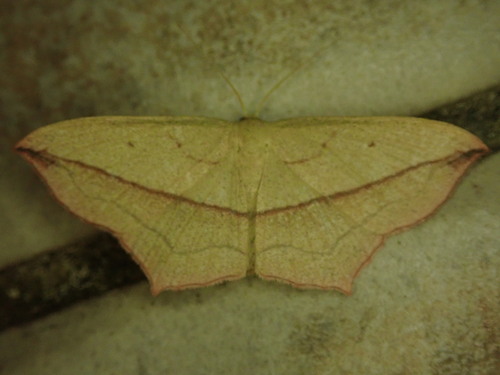
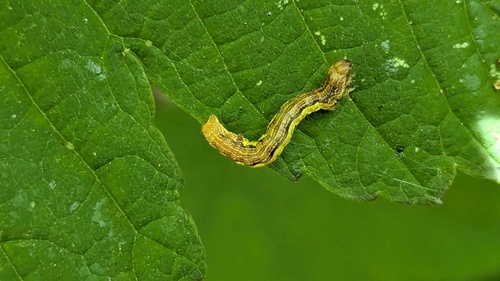
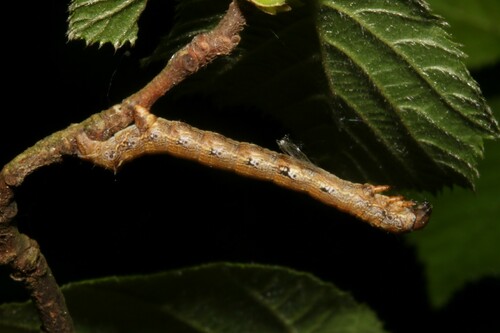
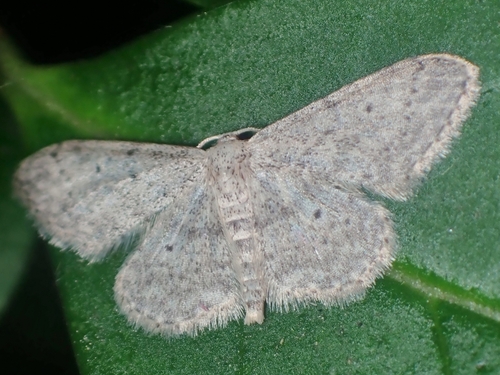
Tephrina arenacearia

Tephrina arenacearia

Tephrina arenacearia

Daily sighting probability <5% · Rare
at Moscow

In 3 days ~10%

5 Verified sightings at Moscow
July Best month

About the Tephrina arenacearia

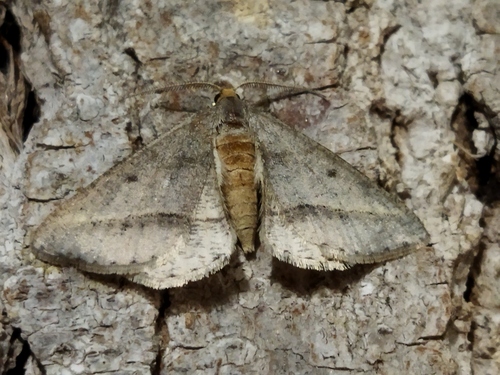
Isturgia arenacearia, the sand bordered bloom, is a moth of the family Geometridae. It was first described by Michael Denis and Ignaz Schiffermüller in 1775. This species can be found in most of Europe (Sardinia, Corsica, Italy, Switzerland, Slovenia, Austria the Czech Republic, Poland, Slovakia, Hungary, Romania, Serbia and Montenegro, Bulgaria, Albania, North Macedonia, Greece, Crete, Ukraine and Russia) in the eastern Palearctic realm, and in the Near East.

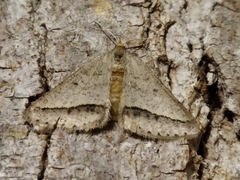
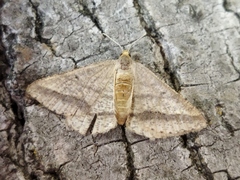
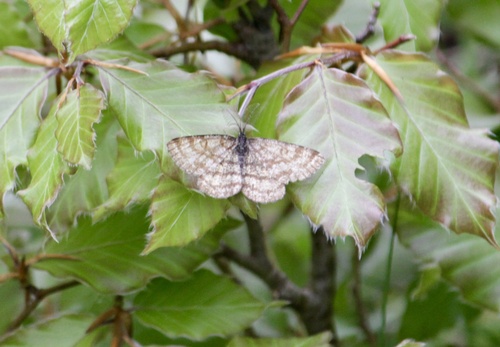
These moths inhabit scrubs, dry steppes, xerothermic slopes, meadows and in areas cultivated with alfalfa. Isturgia arenacearia has a wingspan of 21–27 mm. The basic color of the wings is light brown. The forewings have, in the submarginal area, a darker brown band. A barely visible line is also present, usually with a small dark spot. A series of small dark spots are present along the edge. The hindwings are cream-colored, crossed by a brown line and with small dark spots on the border. All four wings are fringed. The underside of the wings is predominantly gray or light brown. The thorax shows the same color of the wings, while the abdomen and the head are yellow ocher.

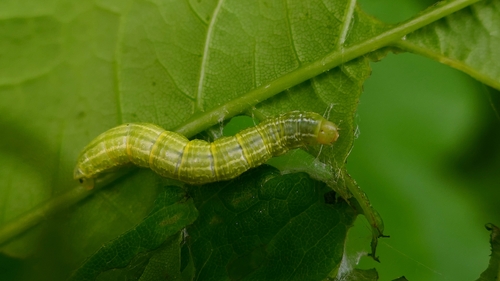
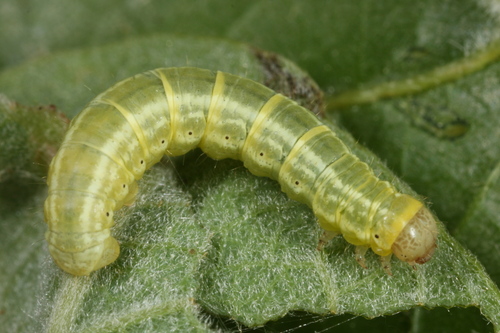
Caterpillars... Wikipedia →
Global Distribution

Parks Where Found

# Park Country Daily sighting probability

More parks will be added in future updates.

Cities Where Found

# City Country Daily sighting probability
1 Kharkiv 🇺🇦 Ukraine
~10%
2 Bucharest 🇷🇴 Romania
~10%
3 Milan 🇮🇹 Italy
~10%
4 Berlin 🇩🇪 Germany
<5%
5 Vienna 🇦🇹 Austria
<5%
6 Moscow 🇷🇺 Russia
<5%

Before you go

What are the chances of seeing a Tephrina arenacearia in Moscow?

Rare

Under 5% of wildlife watchers report a Tephrina arenacearia sighting in Moscow on a given day, based on 5 verified sightings from GBIF citizen-science data. It is the 992nd most-seen of the 1111 insects we can rate there. Over three days the chance rises to about 10%, if each day is a fresh chance.

When is the best time to see a Tephrina arenacearia in Moscow?

Any time of year

In every month with enough records, under 5% of wildlife watchers report a Tephrina arenacearia in Moscow on a given day, so our monthly data shows no clear season.

Is Moscow the best place to see a Tephrina arenacearia?

6th of 6

Of the 6 cities where we can rate Tephrina arenacearia sightings, Moscow ranks 6th at under 5%. The best odds are in Kharkiv (Ukraine, about 10%), Bucharest (Romania, about 10%) and Milan (Italy, about 10%).

Which relatives of the Tephrina arenacearia live in Moscow?

Same family: Geometridae

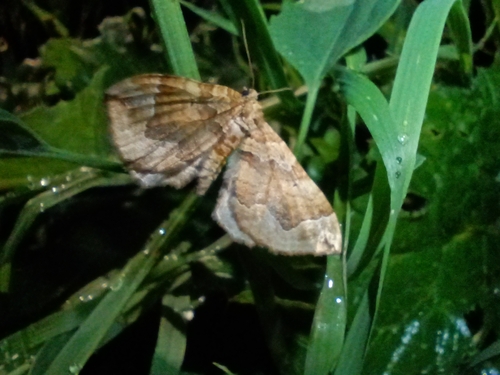
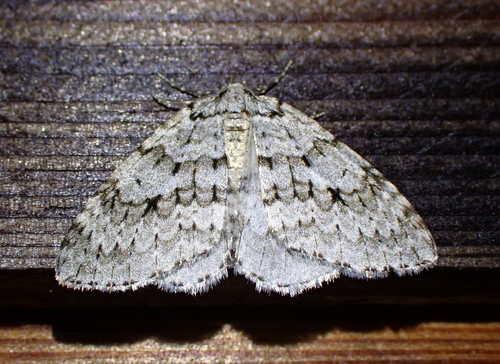
The closest relatives of the Tephrina arenacearia that you can see in Moscow (family Geometridae, Geometer Moths) are Winter Moth (about 10%), Common Carpet Moth (about 10%) and Northern Winter Moth (about 10%), with each one's daily chance of a sighting.

Where does the Tephrina arenacearia sighting chance come from?

GBIF citizen-science records

It is estimated from how often the Tephrina arenacearia is recorded against all the insects logged in Moscow (5 verified sightings), calibrated against known sighting rates. Figures are rounded to the nearest 10% because citizen-science data supports honest approximations, not decimals, and months with records from fewer than five people show "—". How it works.

← Back to Moscow